
China accuses Japan of dangerous missile escalation on island near Taiwan

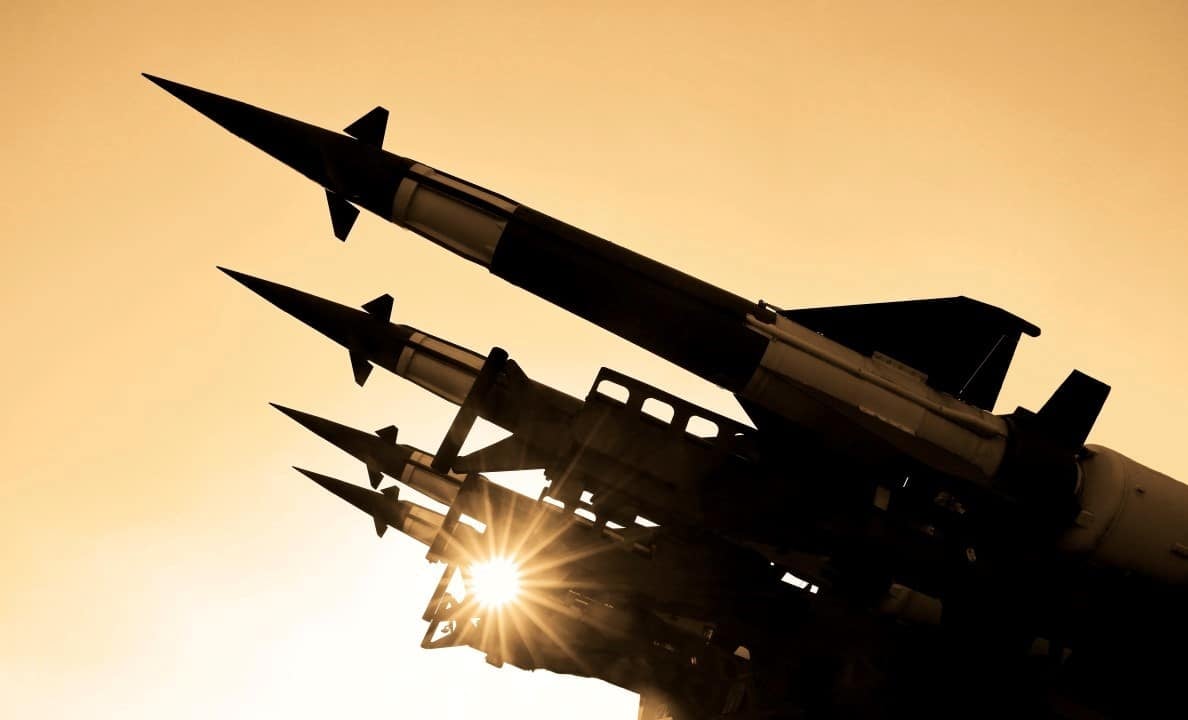
The Japanese government confirmed on Sunday the deployment of surface-to-air guided missiles on Yonaguni, an island 110 km from Taiwan, a measure aimed at strengthening national defense. The decision, announced by the minister of Defesa Shinjiro Koizumi during a visit to the local military base, comes amid growing friction with the China, which sees the step as a direct provocation. Pequim reacted this Monday with vehement criticism, classifying the action as an attempt to create regional tensions and instigate armed confrontation.
The base in Yonaguni represents the westernmost point of Japanese territory and is part of the Ryukyu island chain, a strategic area in Pacífico Ocidental. Koizumi stated that the medium-range missile unit will help reduce the risk of attacks, contradicting views that the measure would increase instability in the region.
- Geographic distance: Yonaguni is only 110 km from the east coast of Taiwan, facilitating mutual monitoring.
- Armament type: Mísseis surface-to-air for air defense, without confirmed offensive capability.
- Immediate context: Anúncio came after Chinese drone flight between the island and Taiwan, prompting Japão to launch fighters.
Statements by Takaichi fuel bilateral dispute
Prime Minister Sanae Takaichi, in office since October, included Taiwan in her national security policy, stating that a Chinese attack on the island would pose a threat to the survival of Japão. Essa position, expressed in a parliamentary session on November 7th, allows mobilization of Forças of Autodefesa under collective self-defense law. China demanded an immediate retraction, but Tóquio maintained his speech, claiming alignment with long-held views.
Beijing interprets the statements as interference in internal affairs, violating a 1972 agreement that recognizes the Chinese position on Taiwan. Analistas note that Takaichi, known for its conservative stance, accelerates defense reforms initiated by predecessors like Shinzo Abe.
Reactions of Taiwan and regional neighbors
Taiwan endorsed Japan’s right to strengthen defenses, with Vice Chancellor Francois Wu highlighting geographic proximity as a factor of mutual interest. The government in Taipei emphasized the absence of territorial ambitions on the part of Tóquio, seeing the measure as beneficial to shared stability.
Other Asian actors are monitoring the episode cautiously, fearing spillover to vital shipping routes. Coreia of Sul and Filipinas, allies of Japão, expressed veiled support for defensive actions, while Austrália reinforced commitments in forums like Quad.
Chinese economic measures against Tóquio
China suspended imports of Japanese seafood, citing insufficient procedures, weeks after partial easing of restrictions. The decision affects Japanese exporters, with annual volume estimated at billions of yen.
Chinese distributors have paused screenings of Japanese films, and negotiations on beef have been halted, according to local sources. Autoridades in Pequim warned citizens about the risks of traveling and studying in Japão, intensifying informal boycotts.
These actions form a pattern of non-tariff retaliation, used in past disputes such as the 2012 one over Senkaku islands.
Initial meeting between leaders does not avoid friction
Xi Jinping and Sanae Takaichi met on October 31 on the sidelines of the Apec summit at Coreia of the The dialogue aimed to stabilize ties after Japanese elections, but subsequent statements by Takaichi about Taiwan overturned progress.
China protested the prime minister’s posts on social media about contacts with Taiwanese authorities during the event. Diplomatas Japanese summoned the Chinese ambassador in response to comments from a consul in Osaka, deleted after backlash.
Timeline of key climbing events
The sequence of incidents reveals a pattern of reciprocal responses, focusing on Taiwan as the pivot.
- November 1: China protests Takaichi’s interactions with Taiwan on Apec.
- November 8: Chinese Cônsul on Osaka posts threatening comment, removed hours later.
- November 10: Pequim demands a formal retraction of Takaichi’s statements in Parlamento.
- November 14: China warns of Japanese military defeat in case of intervention in Taiwan.
- November 16: Navios of Chinese Guarda Costeira transit through waters of Senkaku.
- November 19: Suspensão of Japanese seafood imports is announced.
Defensive position of Koizumi at the base of Yonaguni
Shinjiro Koizumi, inspecting the base, defended the deployment as a purely protective measure, in line with the regional deterrence strategy. The minister highlighted ongoing preparations, with details to be shared with local authorities in Yonaguni. The island, with a modest population, has been home to a garrison of Forças Terrestres and Autodefesa since 2016.
Koizumi’s visit marks his first trip to the site since taking office, signaling priority to southwestern Japan. Ele rejected escalation narratives, arguing that military presence reduces the likelihood of conflict.
Local residents express mixed concerns, with some seeing economic benefits in infrastructure while others fear exposure to geopolitical tensions. The plan includes an increase in the defense budget, which doubled in a decade to face Asian threats.
Impact on multilateral negotiations
Bilateral meetings at Pequim, on November 18, did not make any progress, with China reiterating demands for a retraction. Japão countered that positions on Taiwan are consistent and urged precautions for its citizens in China.
At the G20, in Joanesburgo, Chinese premier Li Qiang avoided meeting with Takaichi, breaking customary protocol. China postponed tripartite cultural forum with Japão and Coreia from Sul, citing disagreements.
Taiwan, in turn, showed solidarity with Japão, with President Lai Ching-te sharing images of meals with Japanese dishes on social media.



