
Ex-BBB Harumi Ishihara mourns the death of Jimmy Cliff, who she dated in the 80s in Jamaica

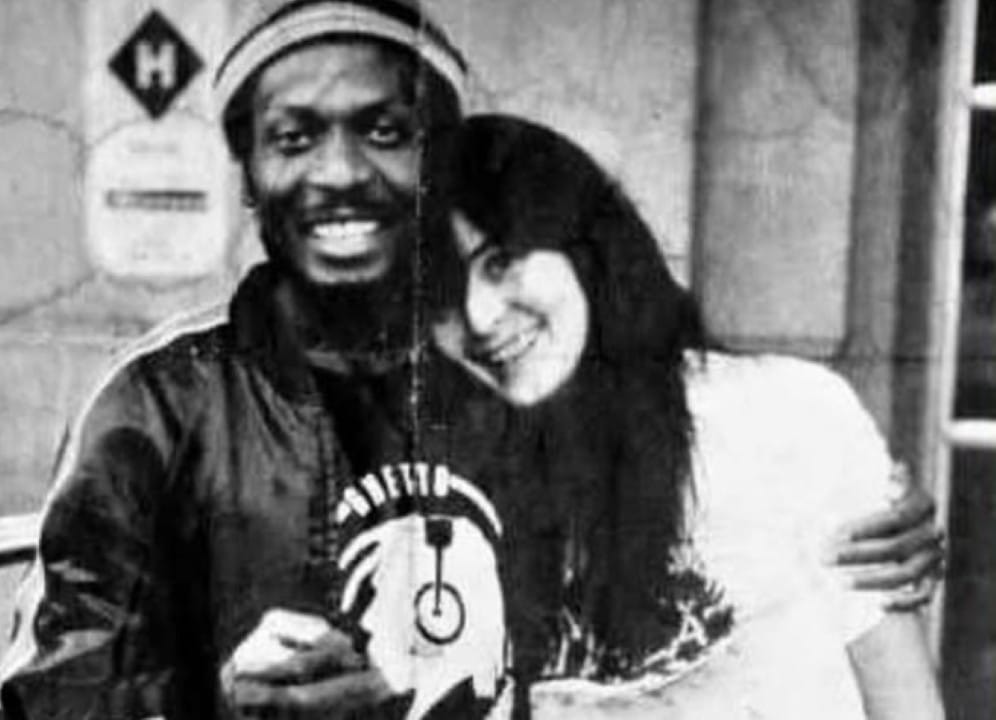
Jimmy Cliff, Jamaican reggae legend, died this Monday, November 24, 2025, aged 81, victim of a seizure followed by pneumonia. The news was confirmed by the singer’s wife, Latifa Chambers, in a post on social media. The artist, known for hits such as “You Can Get It If You Really Want” and “The Harder They Come”, influenced generations with his music and film acting.
Cliff’s family expressed gratitude to the fans and collaborators who followed his seven-decade career. The singer, born James Chambers in 1944 as Jamaica, popularized reggae globally through award-winning albums Grammy and the 1972 cult film.
Meeting that changed trajectories
The romance began in 1980, during a press conference at Brasil. Harumi, then a reporter, covered Jimmy Cliff’s tour alongside Gilberto Gil. Uma initial conversation generated an immediate connection, leading to a relationship that transcended borders.
She described the moment for BBB production as a strong attraction, without mixing work and personal life. Ambos consulted their respective partners at the time: Cliff was married, with a pregnant wife, and Harumi had a boyfriend in São Paulo. The couple maintained their relationship in an open and consensual manner.
The passion resulted in shared experiences, such as the temporary change from Harumi to Jamaica. Lá, she lived with the singer’s daily life, immersed in the local culture that inspired his compositions.
Cliff’s musical legacy in the world
Jimmy Cliff appeared on the music scene at the age of 14, with the single “Hurricane Hattie”. In 1962, he changed to Kingston and adopted the stage name, signing with Island Records in 1964.
The film “The Harder They Come”, from 1972, marked his debut as an actor and elevated the genre to an international cult following. The soundtrack sold millions, with tracks such as “Many Rivers to Cross” and “Sitting in Limbo”. Cliff gained an Grammy in 2010 and was introduced to the Rock and Roll Hall of Fame in the same year.
Collaborations with artists such as Paul Simon and Rolling Stones reinforced his influence. Seus albums, such as 2012’s “Rebirth”, remained in active production until recent years.
- Top Hits: “I Can See Clearly Now”, “Wonderful World, Beautiful People”.
- Awards: Grammy for best reggae album in 2010 for “Rebirth”.
- Films: Aparições in “Club Paradise” (1986) and “Marked for Death” (1990).
Jamaican Prime Minister, Andrew Holness, highlighted Cliff as a “cultural giant” who took the essence of the nation to the world.
Brazilian connection with pioneering reggae
Harumi Ishihara was part of the clip “We All Are One”, recorded by
As a journalist, Harumi covered musical events that brought countries closer together. Seu episode on BBB 16, in 2016, brought personal stories to light, including dating, attracting attention to reggae on Brasil.
The relationship ended amicably, but left fond memories. Harumi, eliminated in the first week of the reality show, used the space to share overcoming trajectories and global connections.
The news of Cliff’s death generated repercussions on Brazilian portals, with fans remembering shows in the country. Turnês with Gil in the 1970s and 1980s strengthened ties, with locally recorded albums such as “Jimmy Cliff in Brazil”.
Global tributes to Jamaican icon
The death of Jimmy Cliff provoked immediate tributes from artists and authorities. Wyclef Jean, from Fugees, recalled his inspiration from Haitian youth. Prime Minister Holness emphasized the role of Cliff in the Jamaican narrative.
Fans on social media shared classic tracks, highlighting messages of perseverance. The album “The Harder They Come” remains a reference for studies on reggae and cinema.
Cliff explored Muslim spirituality on trips to África in the 1970s, influencing lyrics about struggle and hope. Seus late works, such as collaborations with Bruce Springsteen, show creative vitality.
In Jamaica, funeral ceremonies plan national honors. The family thanked the global support, saying that Cliff’s legacy lives on in music.
Presence of Harumi in the post-BBB media
After Big Brother Brasil 16, Harumi maintained an active journalistic career. Entrevistas revealed details of their romance with Cliff, including their decision to live at Jamaica for two years.
She posed nude in the 1970s for publications, marking a bold phase in the profession. No reality, stood out for speeches about female empowerment and diversity.
Friends of Harumi have commented on her resilience in recent posts. The tribute to Cliff reinforces ties with reggae, a genre that gained space in Brasil via artists like Ed Motta.
The episode connects generations, with young people discovering Cliff through stories like Harumi.
Lasting influence of Jamaican reggae
Reggae, driven by Cliff, achieved UNESCO status in 2018 as an intangible heritage. Suas compositions address social themes, from poverty to human rights.
Cliff acted in few films, prioritizing music. “The Harder They Come” inspired documentaries and remakes, while maintaining relevance.
Albums like “Hard Road to Travel” (1968) mixed ska and soul, paving the way for Bob Marley. Global Vendas exceeds 20 million copies.
- Key Contributions: Tema from “Cocktail” (1988) with “The Harder They Come”.
- Recognitions: Ordem of Mérito of Jamaica, highest cultural honor.
His departure closes the cycle of pioneers, but tracks immortalize the sound.



