
Honda announces City 2028: cheap flex hybrid version and modular platform for the Brazilian market


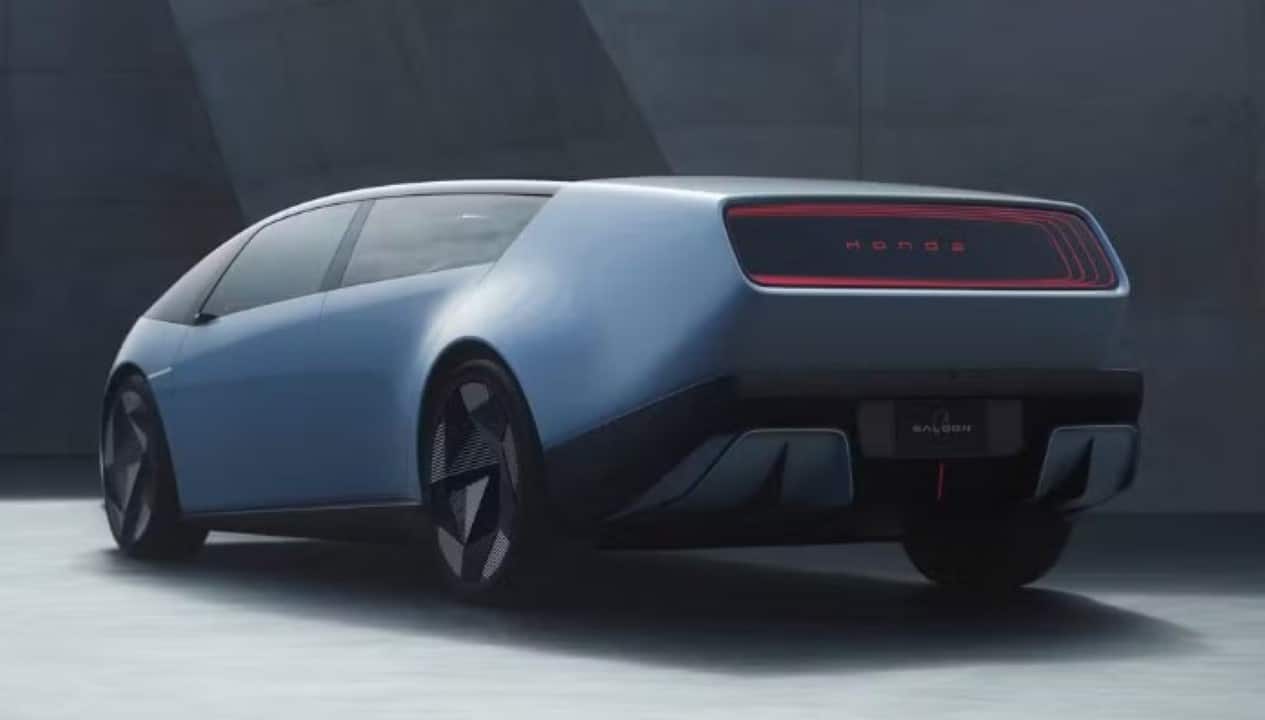
Honda reveals this Monday (24) radical updates for the City, focusing on the flex hybrid version for the first time in the Brasil. The Japanese automaker announced the model for 2028, incorporating design inspired by the Série 0 Concept and new multi-energy platform. The launch targets markets such as Ásia and América Latina, driven by demand for renewable fuel-efficient vehicles.
The PF2 platform allows variations in sedans, SUVs and electric options, optimizing production costs. No Brasil, the hybrid City will use the e:HEV system adapted to ethanol, increasing competitiveness against rivals such as the Virtus and Verna.
Key new features include:
- Retrofuturistic design with sporty lines.
- Weight reduction of 90 kg in hybrids.
- Combined power of 126 hp in the updated system.
The announcement comes amid Honda’s global electrification strategy, with Brasil as a hub for flex production.
Renewed design inspires Série 0
The new generation of the Honda City adopts elements of the Série 0 concept, presented at international shows. Linhas robust and sporty features mark the bodywork, differentiating the sedan from previous versions.
The bold look includes an enlarged front grille and LED headlights with an angular signature. Esses adjustments aim to attract urban consumers who seek style without sacrificing practicality.
PF2 platform optimizes space and costs
The PF2 platform appears as a modular basis for multiple models of the Honda. Projetada for compact and medium-sized vehicles, it shares up to 60% of parts between combustion, hybrid and electric variants.
This structure reduces development time by 30%, according to data from the automaker. No City, the wheelbase increases slightly, improving space for rear passengers.
The focus on lightness benefits dynamics, with suspension recalibrated for Brazilian roads. Materiais recyclables make up 20% of the composition, in line with environmental standards.
Flex hybrid system debuts at national City
The e:HEV flex combines a 1.5 Atkinson engine with two electric motors, generating a combined 126 hp. Essa configuration operates mainly in electrical mode, recharging batteries via regenerative braking.
In the Brasil, adaptation to ethanol increases efficiency to up to 27 km/l in a mixed cycle. Comparado to the current City, the gain reaches 10% in fuel economy.
The e-CVT transmission prioritizes smooth shifts, with acceleration from 0 to 100 km/h in 9.5 seconds. The lithium-ion Bateria takes up less space in the trunk, maintaining 519 liters of capacity.
Efficiency and emissions gain prominence
The hybrid version reduces CO2 emissions by 40% compared to the current naturally aspirated model. Testes preliminaries indicate A rating in Programa Brasileiro of Etiquetagem Veicular.
Urban consumption reaches 25 km/l with gasoline and 22 km/l with ethanol, according to simulations by Honda. Esses numbers position the City ahead of competitors like the Hyundai HB20S.
Simplified maintenance, at intervals of 10 thousand km, cuts operating costs by 15%. The warranty for hybrid components extends to 8 years or 160 thousand km.
Launch and market positioning
The premiere takes place in 2028 at Ásia, reaching Brasil by the end of the decade. Produção location in Sumaré (SP) starts in 2027, generating 500 direct jobs.
Estimated prices start at R$120,000 for the base, with a hybrid at R$150,000. Estratégia targets 20% market share in the compact sedan segment.
Rivals such as the Volkswagen Virtus already adopt a turbo, but the flex hybrid City differentiates itself by its versatility in biofuels.
- Projected sales: 50 thousand units annually at Brasil.
- Direct competitors: Toyota Yaris Sedan, Chevrolet Onix Plus.
- Advantages: Baixo running-in cost and broad assistance network.



