
Ship with 3,000 cows faces crisis after denial of port in Türkiye and deaths on board

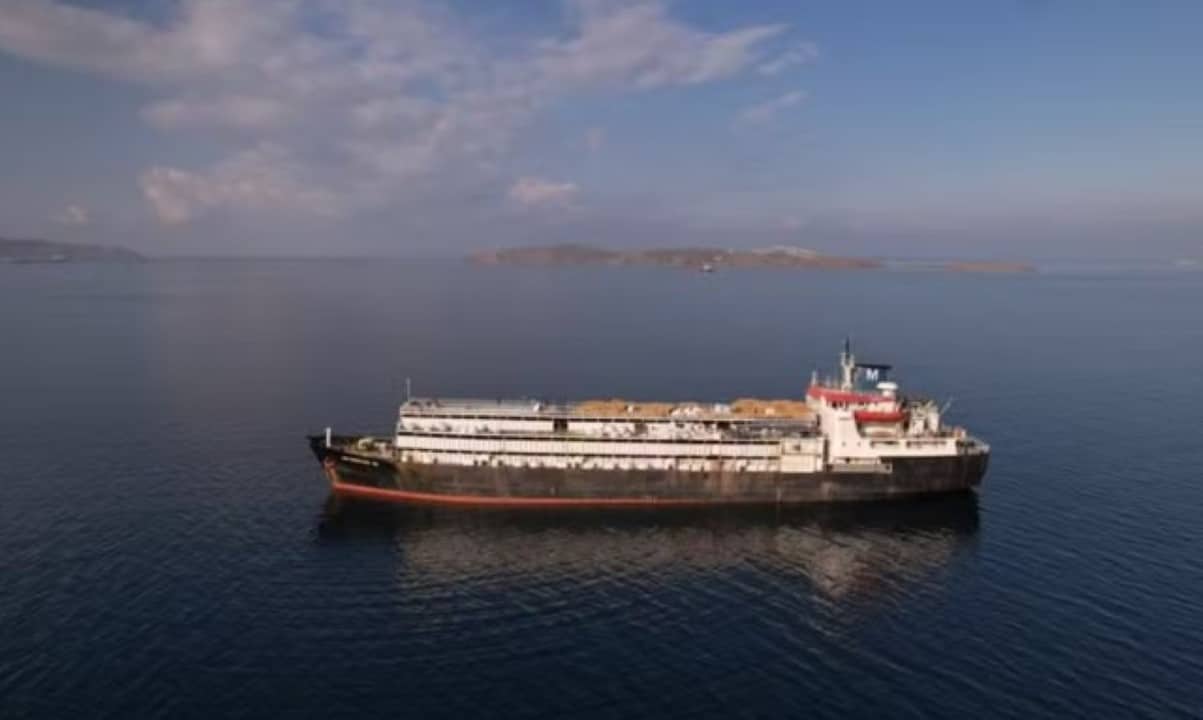
A ship loaded with around 3,000 cows left Uruguai on September 20 for Turquia, but faces delays after Turkish authorities refused to disembark. The vessel, named Spiridon II, accumulated irregularities in the health documentation, including 146 animals without adequate identification and 469 with marks that were incompatible with the records. The incident occurred off the coast of Bandırma, where the ship anchored on October 22.
The situation led to 58 confirmed deaths among the animals during the initial crossing, with carcasses retained on board according to international standards. Além In addition, about 140 cows gave birth to calves in confined conditions, raising concerns about the survival of the calves. The cargo owner now plans alternative routes, including possible sale at Egito or return to Uruguai.
Uruguayan authorities monitor the case, while the ship continues through Mediterrâneo. The journey, which has now exceeded 60 days, exposes recurring flaws in the global live cattle trade, with Brasil projected to export more than 1 million head in 2025.
Irregularities that prevented disembarkation
Turkish inspections revealed discrepancies in the health reports presented by the exporting company. Documentos indicated inconsistencies in identification earrings, which compromised the traceability of the cattle. Autoridades locations prioritized risks to public and animal health to deny entry.
The quarantine process lasted 22 days off the Turkish coast, during which time the ship received limited supplies. Equipes reported an accumulation of organic residues, but no release for complete cleaning. The final decision came on November 14, forcing the vessel to set sail again.
Conditions on board while waiting
Reports from independent observers describe the interior of the Spiridon II as confined, with inadequate ventilation for the 4,000 square meters allocated to the animals. The strong odor of decay attracted swarms of flies, worsening the environment for the pregnant cows. Fornecimento of food and water occurred on November 8, but stocks may run out on long routes.
Veterinarians specializing in maritime transport warn of the physical exhaustion of herds after weeks without rest on land. Bezerros born at sea face greater vulnerability, with 90 calves not located in recent inventories. The ship’s structure, converted in 2011 from a 1973 Russian freighter, has accumulated 167 deficiencies recorded in inspections since 2019.
History of incidents on cattle ships
Transport of live cattle by sea records structural failures in old vessels. In 2020, Gulf Livestock 1 sank in Japão with 6 thousand heads and 43 crew lost. Outro case, in 2021, involved 1,800 cattle sacrificed in Espanha for similar conditions.
- Converted ships often operate under flags of convenience, such as Togo, with reduced oversight.
- Accidents include fires, groundings and sinkings, totaling thousands of losses annually.
- Countries like Nova Zelândia suspended exports after shipwrecks, opting for refrigerated meat.
Uruguai, origin of the current cargo, exported 500 thousand heads in 2024, focusing on Dutch heifères for dairy products.
Route changes and future perspectives
The vessel changed course to Benghazi, at Líbia, where around 500 animals disembarked in November. Agora, moves to Alexandria, in Egito, scheduled to arrive on November 27th for possible commercialization. Caso fails, the return to Montevidéu could occur in December, adding 30 days of sailing.
Governments involved discuss protocols to avoid repetitions, including digital identification requirements. Projetos in the Brazilian Congresso, such as PLP 23/2024, propose high taxes to discourage long shipments. Organizações international groups push for inspections on the high seas.
The remaining load, estimated at 2,850 head, includes 18-month-old heifères, selected for breeding. Custos logistics have already exceeded projections, impacting South American exporters.
International pressures on trade
Animal welfare entities demand intervention from União Europeia to monitor routes in Mediterrâneo. Casos and Spiridon II highlight effluent pollution, with each cow generating up to 60 kilos of waste daily. Regulamentações of the OIE require disposal of carcasses on land, complicating handling.
- Demands include a ban on vessels over 40 years old.
- Alternatives such as exporting processed meat are gaining support in exporting nations.
- Incidents increase insurance, with premiums 30% above the average for cattle drivers.
The global sector is worth billions, but faces increasing scrutiny for health and environmental risks.
Legacy of failures in maritime transport
Vessels like the Queen Hind, which capsized in 2019 with 14,000 sheep, illustrate poor maintenance patterns. The pandemic reduced inspections by 30%, according to analyzes by maritime agencies. No Brasil, ports like Santos register protests against overcrowding in annual cargo.
The Spiridon II, flying the Togolese flag, operates in sensitive areas like the Mar Negro, subject to anti-pollution regulations. Especialistas predict that the case will accelerate debates on the transition to local slaughter in export origins. Dados from FAO indicate 5 million cattle transported by sea in 2024, with an average mortality of 1%.



