
Experts reveal how cell phone use affects couples and child development


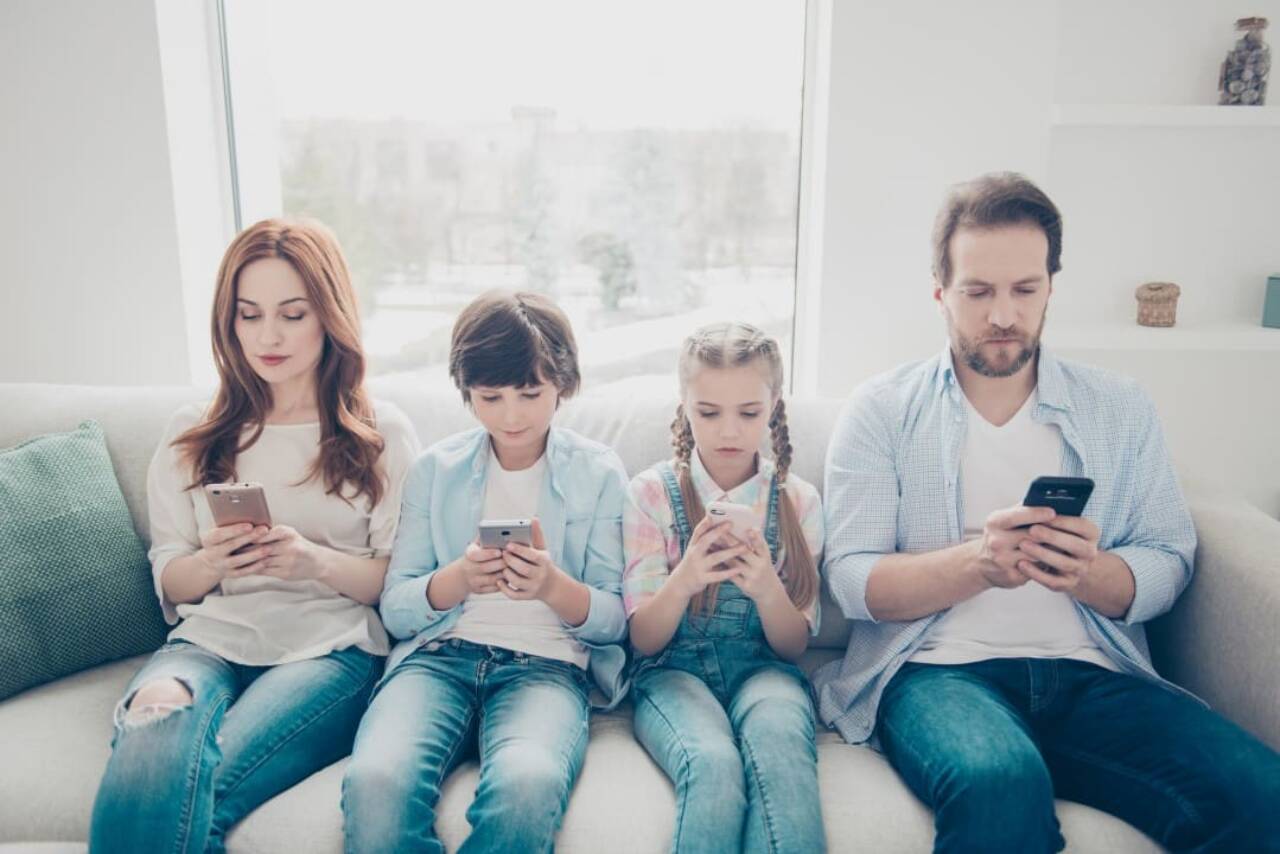
The act of prioritizing the cell phone during face-to-face interactions, known as phubbing, gained prominence in recent studies in Reino Unido and Estados Unidos. Pesquisas indicate that this practice directly interferes with the quality of romantic and family relationships. Especialistas point out that the behavior generates a feeling of rejection and can weaken bonds between parents and children.
Psychologist Kaitlyn Regehr, from University College London, explains that the problem is not just a lack of self-control. Muitas people check the device automatically, without realizing the impact on those next to them. The practice is repeated at dinners, conversations and leisure moments.
Why the brain can’t let go of the screen
The brain reward system activates with each notification or infinite scroll. Centros neural networks associated with pleasure respond in the same way as in activities such as eating or playing.
The prefrontal cortex, responsible for impulse control, ends up overloaded. Segundo Éilish Duke, from Universidade Leeds Beckett, the habit becomes automatic, similar to locking the door when leaving the house.
Participants in one study believed they checked their cell phones every 18 minutes. Gravadores of screen revealed much higher frequency in daily practice.
Direct impact on romantic relationships
Claire Hart, from University of Southampton, interviewed 196 people on the topic. The results show a clear relationship: the greater the perceived phubbing, the worse the couple’s satisfaction.
The common reaction is the ignored partner also reaches for their cell phone. Forma a cycle in which both feel less valued than the content on the screen.
Each interruption breaks the established emotional connection. Retomar dialogue after minutes of distraction requires additional effort.
Effects seen in children and adolescents
Young children experience weakening of emotional bonds when their parents prioritize the device. Adolescentes report a drop in self-esteem as they feel secondary.
The behavior of adults serves as a model. Filhos tend to repeat the pattern as they grow up, perpetuating the cycle in the next generations.
Simple strategies to reduce the problem
Kaitlyn Regehr suggests communicating the reason before using your cell phone. Frases such as “I need to answer my mother quickly” or “I’ll just check the train time” are enough.
Transparency interrupts the automatic habit and demonstrates respect. Após is finished, the device must be put away to restore full attention to the person present.
Experts say that small language changes generate quick results. Constant practice improves the quality of daily interactions.
How the algorithm maintains attention
Platforms like TikTok adjust content in real time according to user interests. Esse mechanism creates a state of psychological flow when the task exactly matches the level of attention available.
Time passes unnoticed while browsing. Usuários often report wasting hours without realizing the gap has passed.
Alternatives adopted by couples
- Set cell phone-free times during meals
- Leaving devices in another room at night
- Combine signal for when someone needs to check something urgent
- Prioritize face-to-face conversations on dates
These simple measures help to recover the connection lost due to excessive use of screens.



