
YouTuber captures unknown sea creature 200m deep in Bali during expedition

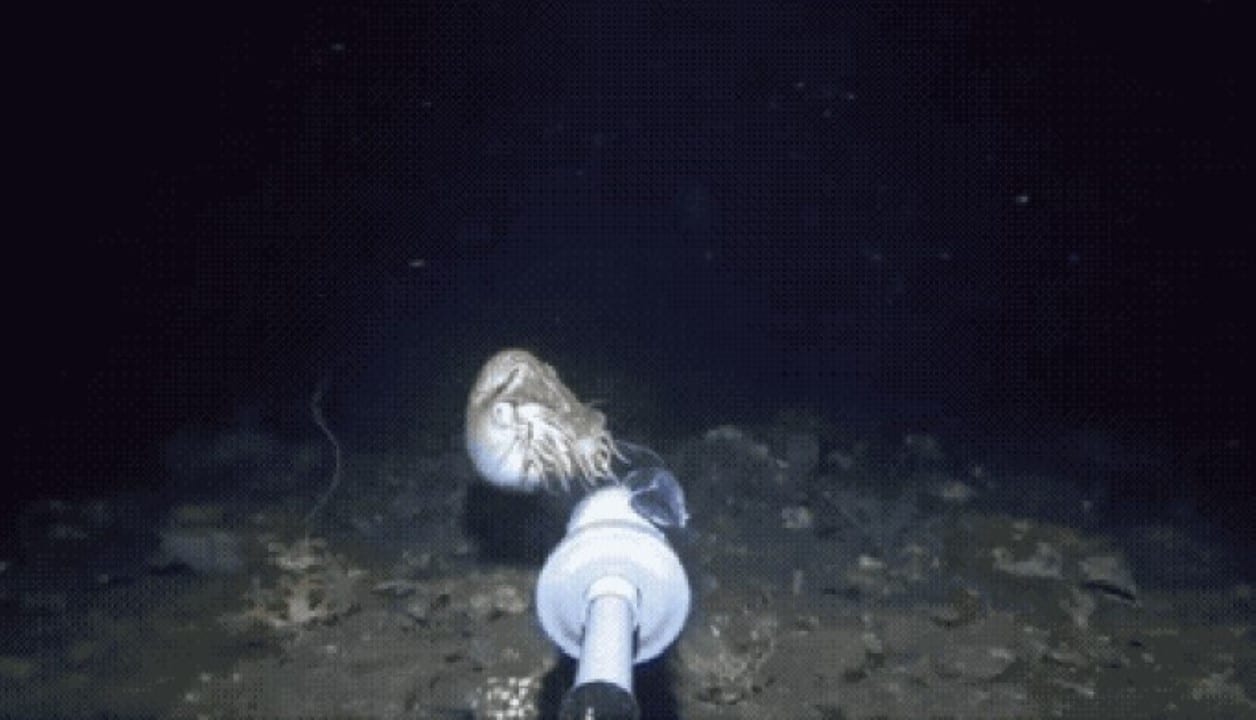
British YouTuber Barny Dillarstone carried out an underwater expedition in Bali, on Indonésia, in November 2025, and captured images of an unidentified marine species at a depth of 200 meters. Durante two nights, he lowered bait-rigged cameras to record the ocean’s nightlife. The animal, similar to a deep-sea ray, appeared on video and caught the attention of marine biology experts.
Filming took place in Mar of Bali, a region known for its rich biodiversity. Dillarstone, which explores remote reefs in the Indo-Pacific, used equipment resistant to extreme pressure for the recording. The incident happened by accident, when the camera fell to the bottom of the sea.
Experts consulted, including shark biologists, analyzed the material and were unable to classify the creature. Isso reinforces the estimate that two-thirds of oceanic species remain unknown. The discovery highlights the importance of explorations in deep habitats.
Equipment used in the expedition
Barny Dillarstone employed underwater cameras attached to bait balls to attract predators. Esses devices can withstand pressures equivalent to 20 atmospheres at a depth of 200 meters. The technique allows nighttime observations without direct human intervention.
The images captured the creature’s fluid movements, with its flattened body and dark-adapted color patterns. Outros animals, such as eels and crabs, were also recorded in the same session.
Context of biodiversity in Bali
Bali is home to varied marine ecosystems, with more than 1,000 cataloged fish species. The region is part of Triângulo of Coral, which contains 75% of the world’s corals. No However, deep areas like Bali’s Mar receive little scientific attention.
Recent expeditions have revealed endemics, such as new varieties of soft corals. Human pressure, including tourism and fishing, threatens these habitats. Iniciativas locations promote continuous monitoring.
The filming of Dillarstone integrates global efforts to map the ocean. Agências like UNESCO estimate that only 20% of the seabed has been explored. Dados of satellites complement such visual records.
The mysterious creature in detail
The species spotted measures around 1 meter in length and has wide fins. Seu body has dark tones with subtle luminescent spots, common in abyssal environments. Especialistas compare it to spotted rays, but anatomical differences prevent precise identification.
- Flat body, adapted to slide over ocean sediment.
- Extensive pectoral fins, used for quick maneuvers.
- Absence of visible spines, suggesting an invertebrate-based diet.
- Nocturnal behavior, approaching the bait without aggression.
Genetic analyzes are underway in Australian laboratories. Preliminary Resultados indicates kinship with Indo-Pacific elasmobranchs.
Reactions from the scientific community
Marine biologists expressed immediate interest in the video. Grupos researching at Austrália and Indonésia plan follow-up expeditions. The discovery could contribute to studies on adaptations to low light.
Sharing platforms recorded more than 500 thousand views in 24 hours. Comentários of professional divers highlight the rarity of the record. Universidades partners provide support for DNA sequencing.
The case illustrates how amateurs advance citizen science. Projetos similar species have already identified 50 new species in the last five years.
Other discoveries on the expedition
During the two nights of filming, Dillarstone captured giant eels up to 2 meters long. Caranguejos-spider and red lobsters also appeared, feeding on the bait. Náutilos, primitive molluscs, swam close to the camera.
These records complement global databases. Nocturnal fauna reveals seasonal migration patterns. Pressões environmental factors, such as global warming, alter these behaviors.
The expedition took place in a protected area, minimizing impacts. Dillarstone plans detailed reports for specialized magazines.
Importance of deep explorations
The ocean covers 70% of Terra, but only 5% has been mapped in high resolution. Descobertas like this drive conservation policies. Países like Indonésia invest in ROV technologies for monitoring.
Studies indicate that deep-sea species face risks from acidification. Redes international organizations coordinate cataloging efforts. Dillarstone’s video serves as an educational tool in classrooms.
Advances in AI help automatically identify underwater images. Isso speeds up processes that took months.



