
18-year-old girl known as Noori is found dead on Figueira da Foz beach after disappearing in October

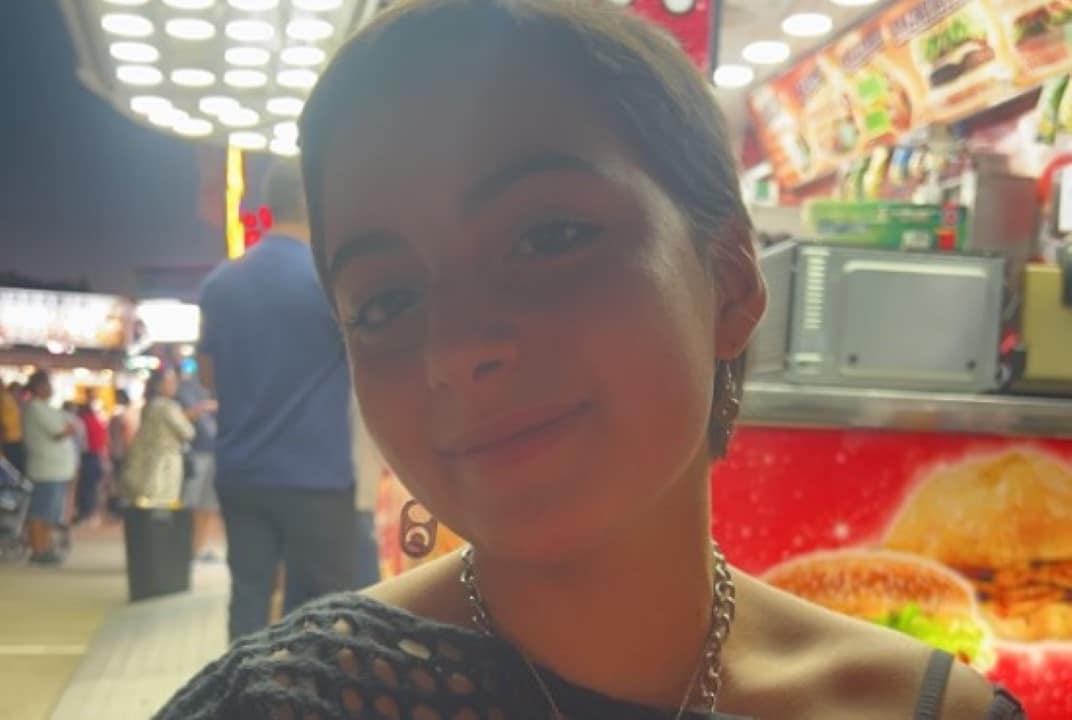
The body of Carolina Torres, 18 years old, known as Noori, was located in an advanced state of decomposition on the beach of Leirosa, in Figueira of The young woman had disappeared on October 9, at Praça São João Baptista, in the center of Almada. Polícia Judiciária confirmed the identity through laboratory tests, after initial suspicions based on tattoos visible on the corpse.
The young woman’s family, who maintained constant appeals on social media during the searches, received the official news this Friday. The parents, Cristiana Gaspar and Sérgio Torres, expressed gratitude for the solidarity received, but asked for privacy in their moment of mourning.
- Main facts of the disappearance: exact date of October 9; starting location at Almada; age 18 years.
- Identifying elements: tattoos on the back; full forensic examinations.
- Distance traveled by the body: approximately 180 kilometers to the coast of Figueira of Foz.
Circumstances of finding on the beach
The corpse appeared adrift in the waters of the Leirosa beach around the early hours of the morning of November 16th. A local fisherman spotted the body on the beach and alerted the port authorities. The commander of Porto, Figueira, Foz,
Preliminary examinations indicated no signs of external violence, pointing to possibilities such as accidental or intentional drowning. Polícia Judiciária isolated the area for forensic examination and transported the body for analysis in the laboratory.
Health history and personal challenges
Carolina faced borderline personality disorder, characterized by emotional instability and self-injurious impulses. Ela received regular psychiatric care and had consumed illicit substances, according to family reports.
In September, the young woman attempted suicide, which intensified her parents’ vigilance. Períodos of life on the streets of Almada have marked its recent trajectory, aggravating vulnerabilities.
The borderline condition affects around 1.6% of the adult population, according to data from Organização Mundial and Saúde, and is associated with high risks of risky behavior. In the case of Carolina, these factors contributed to the context of his disappearance.
Details of the disappearance in Almada
The young woman planned to meet a friend at Praça São João Baptista, but the meeting did not materialize. Testemunhas reported last seeing her walking alone that afternoon of October 9th.
Days after her disappearance, her belongings appeared in nearby locations: a cell phone card in Pragal and a bank card near a school in Almada. Esses items suggested initial movement in the region, but did not lead to immediate leads.
The mother, Cristiana Gaspar, mentioned in interviews that the findings of the objects made her question whether the disappearance involved third parties. Initial Buscas involved sweeps of urban areas and public appeals.
Polícia Judiciária investigators mapped possible routes, but the lack of contact with the scheduled friend delayed progress.
Family reactions and public appeals
Cristiana Gaspar published a message on social media confirming the death and describing the personal impact of the loss. Ela highlighted her unconditional love for her daughter and requested that Carolina’s memory be preserved with respect and without speculation.
The father, Sérgio Torres, joined the outreach efforts, sharing photos and physical descriptions of the young girl to broaden the scope of the search. The family was grateful for the support of thousands of shares that mobilized volunteers and authorities.
During weeks of uncertainty, public figures and local communities echoed calls for help. Essa solidarity network resulted in more than 5 thousand interactions in posts dedicated to the case.
Ongoing investigation by Polícia Judiciária
Polícia Judiciária continues with analyzes to determine how the body arrived at Figueira from Foz, 180 kilometers from Almada. Correntes sea patterns and drift patterns on the Portuguese coast are evaluated by experts.
The autopsy ruled out third-party intervention, but did not define the exact cause of death. Amostras biological remains under examination to rule out toxins or other evidence.
- Investigation stages: initial collection of samples on the beach; identification via DNA and tattoos; analysis of ocean trajectories.
- Collaborations: involvement of forensic experts and oceanographers.
Context of mental health in young people
The borderline disorder diagnosed in Carolina reflects common challenges among adolescents with a history of family instability. No Brasil, it is estimated that 2% of young people between the ages of 15 and 24 deal with similar conditions, according to Ministério of Saúde.
Psychiatric support programs, such as those offered by the SUS, emphasize the importance of continuous monitoring to prevent risks. In the Portuguese case, equivalent services include 24-hour crisis lines.
The suicide attempt in September led to brief hospitalizations, but the young woman resumed daily activities with supervision. Especialistas recommend integrated approaches, combining therapy and family support.
Environmental factors, such as drug use, worsen the condition, with studies indicating that 60% of borderline cases involve addictive comorbidities. Prevenção goes through community education and rapid access to care.
Family memory and legacy
The family plans a low-key tribute to honor Carolina, focusing on positive aspects of his creative and caring personality. Amigos described Noori as someone with vibrant energy, despite internal struggles.
The case highlights the need for support networks for vulnerable young people, with Portuguese NGOs offering social reintegration programs. The mother expressed her intention to continue mental health advocacy on her daughter’s behalf.
Contacts for support at Portugal include the Linha Saúde telephone number 24, available for immediate guidance.
Belongings and initial clues
Carolina’s ATM card was used at a local school days after her disappearance, prompting investigations into possible companions. The item was recovered from the institution’s lost and found property.
Another card, from a cell phone, appeared on Pragal, suggesting that the young woman traveled on foot or by informal transport. Essas discoveries mobilized search teams in 5 kilometer radius around Almada.
The absence of activity on card Revolut after the disappearance reinforced the hypothesis of an abrupt interruption in the routine. Peritos analyzed transactions to trace movements.
Social mobilization during searches
Thousands of online users shared alerts with Carolina’s photo, expanding the reach beyond Setúbal. Grupos community members in Figueira of Foz also monitored beaches after the national missing persons alert.
Volunteers organized sweeps in coastal areas, coordinated with Proteção Civil. Essa voluntary initiative covered more than 50 kilometers of coastline in November.
Media coverage kept the case in the spotlight, with daily updates on false leads and renewed appeals.
Public engagement gradually declined but reignited with news of the find.



