
American Airlines resolves problem on Airbus planes after global software recall

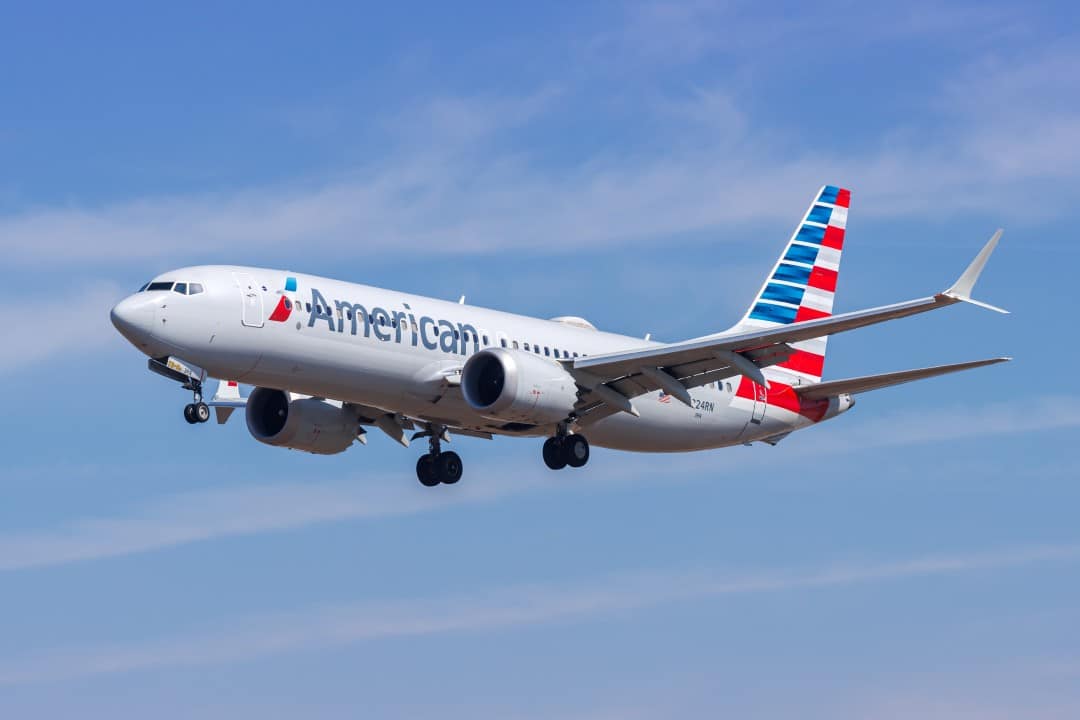
American Airlines announced this Saturday (29) that it has completed software updates on all 209 A320 family aircraft affected by an emergency directive from Airbus. The measure, issued on Friday (28), aims to correct a failure in flight controls caused by intense solar radiation. The American airline hopes to normalize operations during the holiday from Ação to Graças, focusing on Sunday, the busiest day.
The problem arose after an incident in October with a JetBlue flight, which suffered a limited involuntary descent. Investigadores identified data corruption in the elevator and aileron computer (ELAC), affecting approximately 6,000 aircraft in service globally. Airbus, in a statement, highlighted that teams work around the clock to support operators.
The directive from Agência Europeia to Segurança from Aviação (EASA) and Administração Federal from Aviação from the USA (FAA) requires reverting to a previous version of the software before the next commercial flight, with a deadline of midnight on Sunday (30). Older Aviões may require hardware replacement, which extends maintenance time to up to a few hours per unit.
- Initial impact: Milhares passengers affected by cancellations and delays.
- Global fleet: Mais of 11 thousand A320s in operation, with 60% susceptible to failure.
- Technical Cause: Radiação solar corrupts critical data on fly-by-wire systems.
Fast resolution in Estados Unidos
American Airlines, the world’s largest A320 operator, adjusted the initial estimate from 340 to 209 impacted aircraft. Equipes technicians completed the upgrades by noon Saturday (12pm CT), avoiding major disruptions at the Dallas-Fort Worth hub.
United Airlines reported six planes affected and expects minimal disruptions to a few flights. Delta Air Lines confirmed fewer than 50 A320neo family units were involved, with fixes finalized by Saturday morning.

Disruptions in Ásia and Pacífico
ANA Holdings, at Japão, canceled 95 domestic flights on Saturday, impacting 13,200 passengers. The company, which operates the largest fleet of A320s in the country, prioritized short routes to minimize delays.
In Índia, Air India updated more than 40% of its affected fleet, without cancellations, but with reallocation of schedules. IndiGo, the largest local operator, suspended ticket sales for the A320 until the modifications were completed, as per order from Diretoria Geral of Aviação Civil.
Scoot, a subsidiary of Singapore Airlines, has fixed 21 of 29 planes and plans to resume full operations on Saturday. The region, dependent on narrow-body jets for short-haul networks, recorded the highest initial grounding volumes.
Effects on Oceania and Europa
Jetstar Airways, at Austrália, canceled around 90 flights after identifying 34 aircraft in need of correction. Até at 3:30 pm local time, 20 units were ready for service, with the remainder scheduled for Saturday night.
Qantas, the parent company of Na Europa, easyJet and Lufthansa carried out overnight updates, limiting cancellations to peak times on Friday.
Wizz Air completed modifications to its entire affected fleet overnight, ensuring normal flights on Saturday. Avianca, at Colômbia, has suspended ticket sales until December 8 due to more than 70% of its fleet involved.
Origin of the problem and preventive measures
A JetBlue flight on October 30 from Cancún to Newark experienced an uncommanded descent event resulting in an emergency landing at Tampa, Flórida. Pelo less than 15 passengers were treated in hospitals, and the incident activated the autopilot without significant loss of altitude.
Airbus attributed the failure to a specific version of software vulnerable to solar flares, a cyclical phenomenon that peaks in 2025, according to NOAA. The fix involves software rollback in 90% of cases, with new hardware for about 900 older units.
The CEO of Airbus, Guillaume Faury, posted on social media acknowledging the logistical challenges and commitment to safety. The company collaborates with authorities to accelerate implementation, avoiding commercial flights until compliance.
Operations in other markets
Latam Airlines, in América of Sul, reported planes stopped at airports like El Dorado, in The company prioritized repositioning flights without passengers to maintenance centers.
Frontier and Spirit Airlines in the US evaluated smaller fleets and anticipate limited impacts, with direct communications to affected passengers. Hawaiian Airlines confirmed the absence of A320 aircraft in its operation.
On Arábia Saudita, Flyadeal benefited from the directive’s nighttime timing to avoid traffic spikes. Jazeera Airways and Air Arabia, in Oriente Médio, registered temporary grounding, but without mass cancellations.
Expectations for the holiday
With Domingo of Ação of Graças predicted to be the busiest day, American companies are strengthening teams at major airports. The FAA monitors compliance, allowing empty ferry flights for repairs.
Overall, the recall represents one of the largest fleet actions in Airbus history, surpassing previous incidents in scale. Analistas highlight the agile response of operators, who rolled back software in less than 24 hours in most cases.
The aeronautical industry reinforces inspections of fly-by-wire systems, which are sensitive to external interference such as solar radiation. Passageiros are advised to check flight status directly with the airlines.



