
Crescent Moon dominates the sky: an observation guide to the phenomenon that marks the beginning of the night

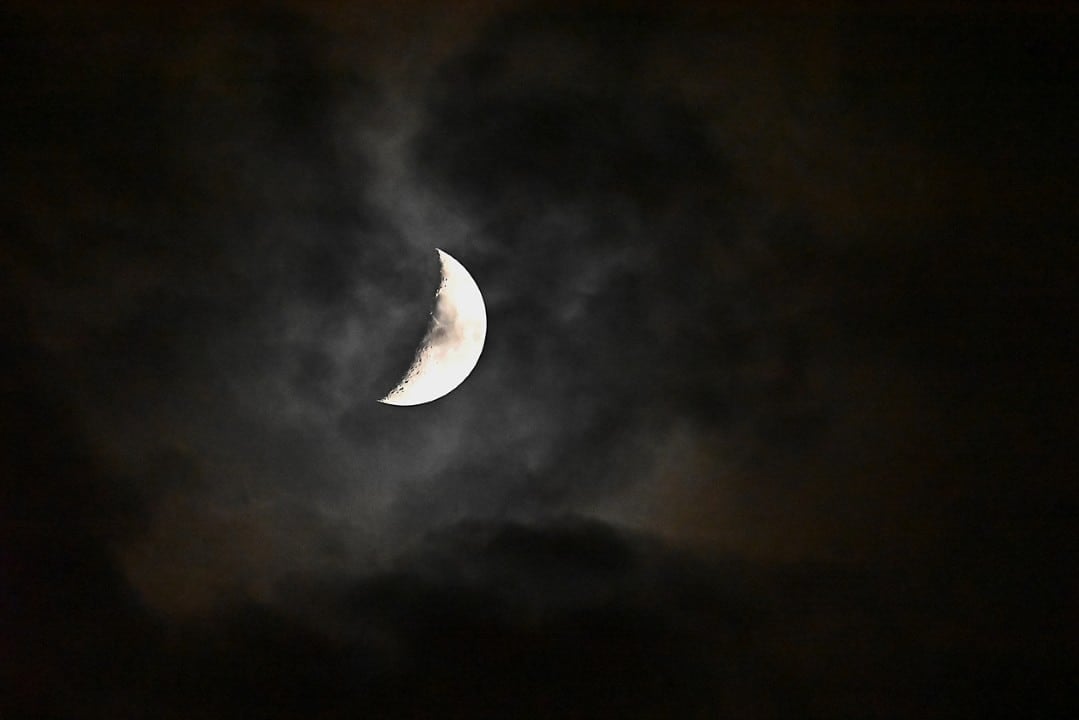
The night sky presents, from the beginning of the night, the Lua Crescente phase. The astronomical phenomenon occurs when Sol illuminates a small fraction of the face of the natural satellite visible from Terra, creating a thin luminous arc. The Este event marks the transition between the Lua Nova, when the satellite is practically invisible, and the Quarto Crescente.
Observers in several locations will be able to view Lua Crescente shortly after sunset, positioned in a westerly direction. The satellite’s visibility at this stage is relatively short, as it tends to set a few hours after Sol, making the beginning of the night the ideal period for contemplation.
This cycle is a direct result of the translational movement of Lua around Terra, which lasts approximately 29.5 days. Each day, the visible illuminated portion increases progressively until it reaches its peak at Lua Cheia, when the lunar disk appears fully illuminated.
Features and viewing tips
Lua Crescente is characterized by its “C” shape or a thin arc, depending on the hemisphere of the observer. One of its peculiarities is the “cinereal light”, a faint glow that illuminates the rest of the lunar disk. The Esse effect is caused by sunlight reflected by the surface of the Terra, which in turn illuminates the dark part of the Lua.
For a better observation experience, it is recommended to look for places with little light pollution, such as rural areas or parks far from urban centers. The use of binoculars or small telescopes can enrich visualization, allowing you to identify details of craters and reliefs on the line that separates light from shadow, known as the terminator.
The lunar cycle in the coming weeks
Phase Crescente is just the beginning of a sequence of celestial events. Nos Over the next few days, the illuminated portion of the satellite will continue to increase.
The next significant stage will be Quarto Crescente, when exactly half of the lunar disk will be illuminated. Este event is expected to occur in approximately one week.
After Quarto Crescente, Lua enters the Gibosa Crescente phase, paving the way for Lua Cheia, which represents the midpoint of the lunar cycle.
Each phase offers a different perspective of the satellite, with notable changes in brightness and position in the sky each night.
Recommendations for photography enthusiasts
Photographing the Lua Crescente can be a rewarding activity, but it requires some specific techniques to capture its details. Using a tripod is essential to ensure camera stability and avoid blurry images, especially when using long-range lenses (telephoto lenses). It is important to adjust the camera settings manually, controlling the shutter speed, diaphragm aperture and ISO. Focar manually on the sharp outline of the Lua, rather than using autofocus, generally produces more accurate results. The presence of cinereal light also offers a unique photographic opportunity, requiring a careful balance in exposure to capture both the bright and the subtly lit.
Understanding the lunar calendar
The lunar calendar is one of the oldest systems of measuring time, used by different cultures throughout history to guide agricultural activities and ceremonies.
The predictability of the phases allowed the development of precise calendars that still influence traditions and customs in various parts of the world.
Upcoming astronomical events
In addition to the evolution of lunar phases, the night sky holds other events for attentive observers.
The visibility of planets like Júpiter and Saturno may coincide with the presence of Lua in the sky, creating celestial conjunctions of great beauty.
Consulting an astronomical guide or observation apps can help you identify these and other phenomena visible in your region.
The importance of observation
Following the phases of Lua is an accessible way of connecting with the rhythms of the cosmos.



