
King Charles III shows vigor and participates in the traditional Royal Ascot alongside Queen Camilla

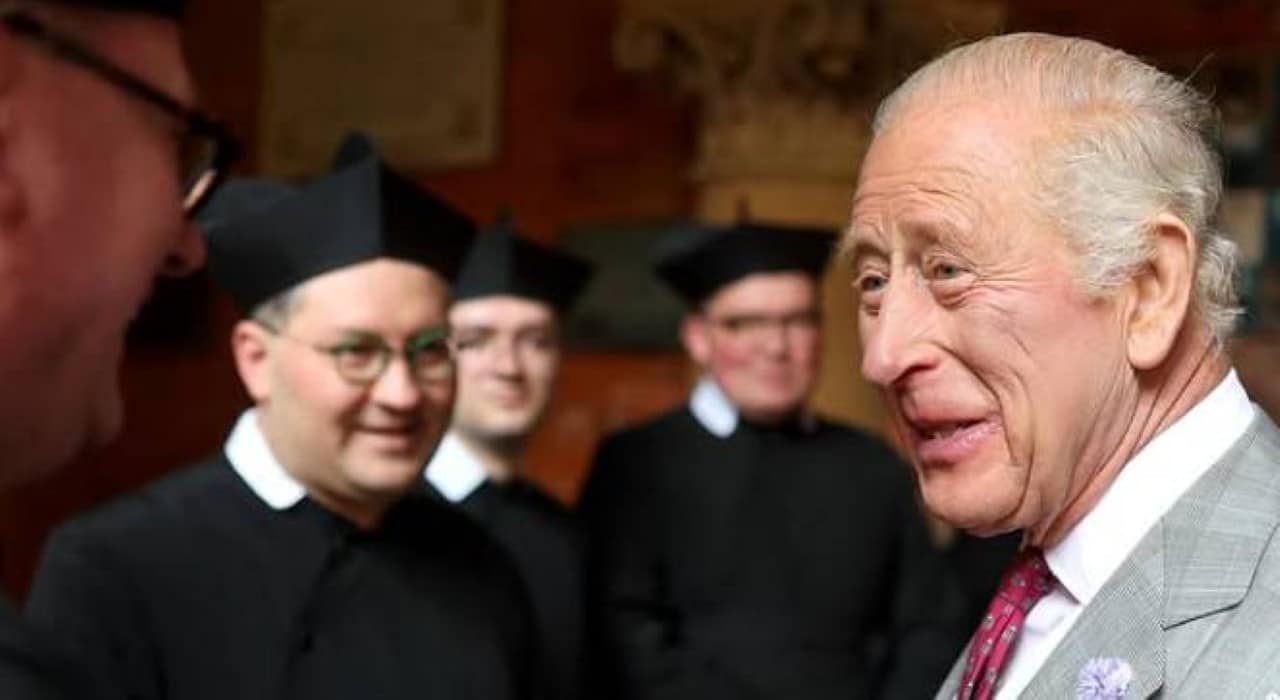
In an appearance that marks another important step in their gradual return to public activities, Rei Charles III participated in the first day of Royal Ascot this week. Acompanhado by Rainha Camilla, the monarch arrived at the event in a carriage, following the traditional royal procession that opens one of the most prestigious horse racing events in the world.
The presence of the royal couple was received with enthusiasm by the public present at Hipódromo of Ascot, in Berkshire. The event, a landmark in the British social and sporting calendar, represents the continuation of a long-standing royal family tradition, strongly associated with the late Rainha Elizabeth II, an avid horse racing enthusiast.
This commitment joins a series of other recent engagements by the king, who continues to be treated for cancer diagnosed at the beginning of the year. Sua participation in high-visibility events signals an improvement in their health status and a desire to maintain normality on the monarchy’s agenda.
A day of celebration and equestrian tradition
Royal Ascot is known not only for high-quality racing, but also for its strict dress code and festive atmosphere. The arrival of Charles and Camilla at Carruagem Landau, leading the royal procession, was one of the most anticipated moments of the day. Eles shared the carriage with Duque and Duquesa of Wellington, reinforcing the social and historical ties that the event represents. The crowd applauded warmly as the procession made its way to the Paddock, where royals usually observe the first race of the day. The King’s active participation, interacting with jockeys and horse owners, was seen as a strong indication of his willingness and continued engagement with the passions that define British culture and his family’s heritage.
The importance of the event for the monarchy
The event has deep meaning for Coroa, being a platform for royals to interact with the public and a celebration of British culture. The continued royal presence in Ascot, now under the leadership of Charles III, serves to reaffirm the stability and relevance of the monarchical institution in times of transition.
Rainha Elizabeth II’s passion for the event was notorious, and she rarely missed a day of racing during her reign. By making his presence known, Charles not only honors his mother’s legacy, but also establishes his own role as a patron of the sport, ensuring that the royal tradition at Ascot endures for future generations.
Signs of recovery and the real agenda
The monarch’s participation in the five-day event was carefully planned to fit in with his treatment. Fontes from the palace indicate that their agenda continues to be reviewed and adapted according to medical advice.
His vigorous appearance and good humor were widely commented on, conveying a message of optimism. The Este event follows other important appearances, such as the Trooping and Colour celebration.
The constant presence, although adapted, demonstrates the king’s commitment to fulfilling his Estado duties while prioritizing his recovery.
The royal couple’s look and fashion in Ascot
As tradition dictates, the dress code was followed to the letter. Rei Charles III donned a gray tailcoat, waistcoat, and a top hat, the formal male attire required for Recinto Real.
Rainha Camilla, in turn, opted for a cobalt blue ensemble, complemented by an elaborately designed hat, signed by Philip Treacy.
The Royal Ascot is a showcase for British fashion, where fancy hats and elegant outfits are as important as the races.
The royal couple’s choice of clothing is always analyzed, reflecting the formality and celebration that characterize the event.
Other royals present
In addition to the king and queen, other members of Família Real were also present, including Princesa Anne and Zara Tindall with her husband, Mike Tindall.
Family unity at public events like this reinforces the image of a cohesive and supportive monarchy.
The connection with horses
The royal couple also had a personal interest in racing, with one of their horses, named Gilded Water, competing in one of the day’s races.
Maintaining the tradition of owning and racing racehorses is a central part of the royals’ involvement in the sport.
Expectations for the next few days
The presence of the king and queen on the first day raises expectations about their participation in the subsequent days of Royal Ascot, an event that lasts for almost a week and attracts thousands of visitors from all over the world, consolidating itself as one of the pillars of the British summer.



