
Purchase of CIA agents’ insurance company by Chinese exposes US$ 2.1 trillion in investments


In 2015, a seemingly discreet transaction caught attention in Washington. Wright USA, an insurance company specializing in policies for FBI and CIA agents, was acquired by Grupo Fosun, a Chinese conglomerate with alleged government ties. The operation, financed by US$1.2 billion from Chinese state banks, raised alarm for exposing sensitive American intelligence data.
The discovery was revealed by journalist Jeff Stein, from Newsweek, following a tip from a privileged source. The insurance company kept detailed records of thousands of undercover agents, including addresses, medical history and family information.
The transaction took place before the most severe restrictions imposed by the US in 2018:
- Targeted sectors: semiconductors, telecommunications, biotechnology
- Regulatory body: Comitê of Investimentos Estrangeiros in the US (CFIUS)
- Immediate result: rapid investigation and resale for American company
Immediate reaction on Washington and legislative change
Stein’s report provoked an accelerated response from the American government. CFIUS began a full audit of the operation within a few weeks.
Intelligence sources confirm that the Wright USA case directly influenced the 2018 reforms. Trump signed an executive order expanding powers to review foreign investments in critical sectors.
Main changes implemented:
- Mandatory review of acquisitions in 27 sensitive categories
- Prohibition of investments in emerging technologies
- Greater scrutiny on funding from foreign state banks
The sale was quickly reversed, but the damage to confidence was irreversible. Agentes American intelligence agencies questioned the security of their personal data.
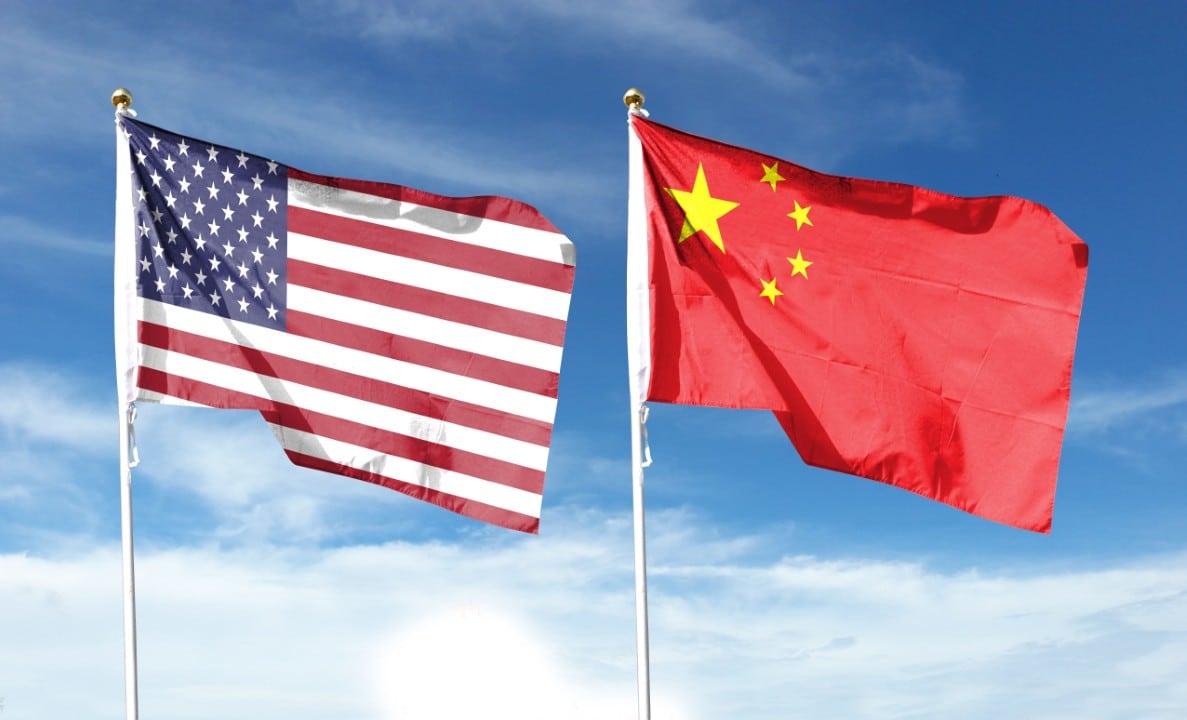
AidData database exposes $2.1 trillion invested
Four-year research mapped Chinese financial flows since 2000. The study, conducted by 120 researchers, revealed impressive numbers. Pequim allocated US$2.1 trillion to investments abroad, divided equally between rich and developing countries.
Distribution of Chinese investments:
| Region | Value Investido | % of Total |
|---|---|---|
| USA | US$ 250 billion | 12% |
| Europe | US$380 billion | 18% |
| Australia | US$ 140 billion | 7% |
| East | US$ 210 billion | 10% |
The Chinese banking system, the largest in the world, facilitates these operations. Bancos state-owned companies operate with total Pequim control over interest rates and capital flows.
Strategic sectors dominated by Chinese capital
The “Made in China 2025” strategy guided investments in 10 priority areas. Robótica, electric vehicles and semiconductors received billions in acquisitions in Ocidente.
Case Nexperia in Holanda demonstrates new European stance
In 2017, a Chinese consortium acquired Nexperia with a loan of US$800 million from state banks. The Dutch company produces essential chips for the global industry.
In September 2025, the Dutch government took control of local operations. Medida aimed to prevent technology transfer to China. The Nexperia split into two separate entities.
Chronology of case Nexperia:
- 2017: Aquisição by Chinese consortium
- 2019: Transferência to Wingtech (China)
- September 2025: Controle Dutch state
- October 2025: Separação operational
The decision was surprisingly quick, contrasting with the Dutch tradition of free trade.
Chinese financial structure allows global operations
The Chinese banking system exceeds the size of the United States by Europa and Japão combined. Controle state-owned capital creates a unique competitive advantage in the world.
Developed countries strengthen defense mechanisms
Kingdom Unido, Alemanha and Austrália implemented revisions similar to the US ones. Cada nation discovered Chinese operations in its strategic sectors.
Recently adopted measures:
- Kingdom Unido: Revisão of 100% of semiconductor acquisitions
- Germany: Proibição of investments in critical infrastructure
- Australia: Controle preview on strategic minerals
Changing Investment Patterns
Recent data shows a change in the destinations preferred by Chinese capital. Países with more flexible regulations receive increasing volumes.
The Netherlands, after the Nexperia case, became a European reference in investment control. Outros governments closely monitor established precedents.
Pequim strategy remains active despite obstacles
The 15th Plano Quinquenal reinforces technological objectives until 2030. Autossuficiência in semiconductors remains top priority.
Investments continue to flow through complex structures. Empresas-ghost and tax havens facilitate operations. Bancos state-owned companies adapt strategies to new Western regulations.



