
Asteroid 2024 YR4 reaches level 3 on the Turin scale and tests Earth’s planetary defense

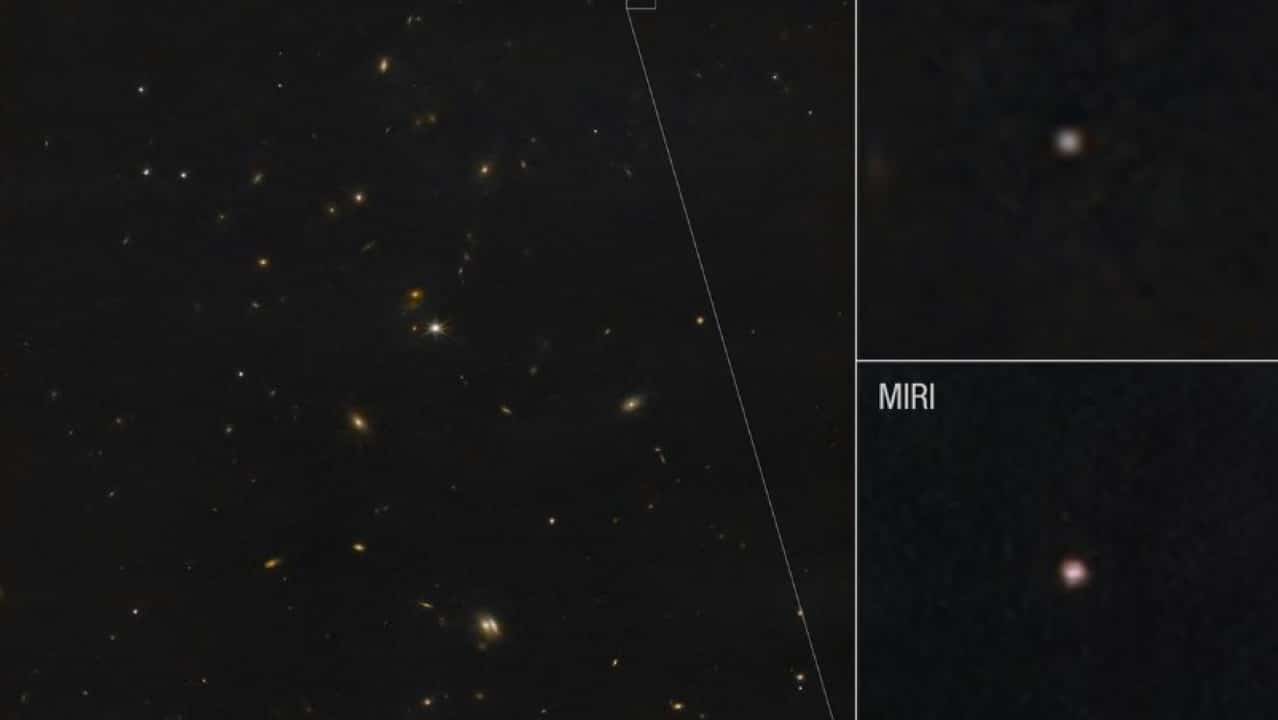
Asteroid 2024 YR4, discovered on December 27, 2024 by the ATLAS program, reached level 3 on the Torino scale in January 2025. The classification indicated a probability of greater than 1% of impact with potential for localized destruction. The object, considered potentially dangerous, mobilized observatories around the world.
The initial trajectory indicated a maximum risk of 3.1% for a collision on February 18, 2032. Additional Observações reduced the threat to Terra, but increased the possibility of a lunar impact to around 4%. The case marked the first real use of current planetary defense protocols.
Rapid risk discovery and escalation
ATLAS identified the asteroid at the end of 2024. In less than a month, data collected increased the probability of impact.
ESA’s Centro from Coordenação from Objetos Próximos to Terra followed the object intensely. The rating rose to level 3 on January 27, 2025.
Torino scale operation
The Torino scale assesses impact risk at 11 levels. Level 3 represents a greater than 1% chance of localized destruction.
- Level 0 to 1: zero or very low risk
- Level 2 to 4: deserves attention or is worrying
- Level 5 to 10: regional or global threat
2024 YR4 was the first to reach level 3 since Apophis in 2004.
Activation of Rede Internacional from Alerta
The classification activated Rede Internacional of Alerta of Asteroides for the first time at a high level. Criada in 2014 after the event of Chelyabinsk, the network coordinated communication between agencies.
The alert involved NASA, ESA and independent observatories. The response included granting extra time on large telescopes.
Physical characteristics of the asteroid
Detailed observations revealed a rotation period of 19.5 minutes. The value indicates fast rotation for debris cluster type objects.
The asteroid received a provisional classification of Sq or K. The albedo varied depending on the instrument used.
Terrestrial threat reduction
Telescopes like Gran Telescopio Canarias and Very Large Telescope have refined the orbit. Dados collected in March 2025 eliminated the risk of impact with Terra.
The probability dropped to zero in relation to the planet. Monitoring continued due to the lunar scenario.
New Focus on Lunar Risk
The updated orbit indicates a 4% chance of collision with Lua in 2032. A lunar impact would generate a cloud of debris capable of affecting Earth satellites.
Agencies keep the object on the priority list. Future Observações will adjust trajectory calculations.
Case 2024 YR4 demonstrated the effectiveness of current monitoring systems. International coordination worked within the established deadlines. The episode served as a practical test for more serious scenarios.




