
Million-dollar fraud: foreign rice sold as Japanese after container inspection

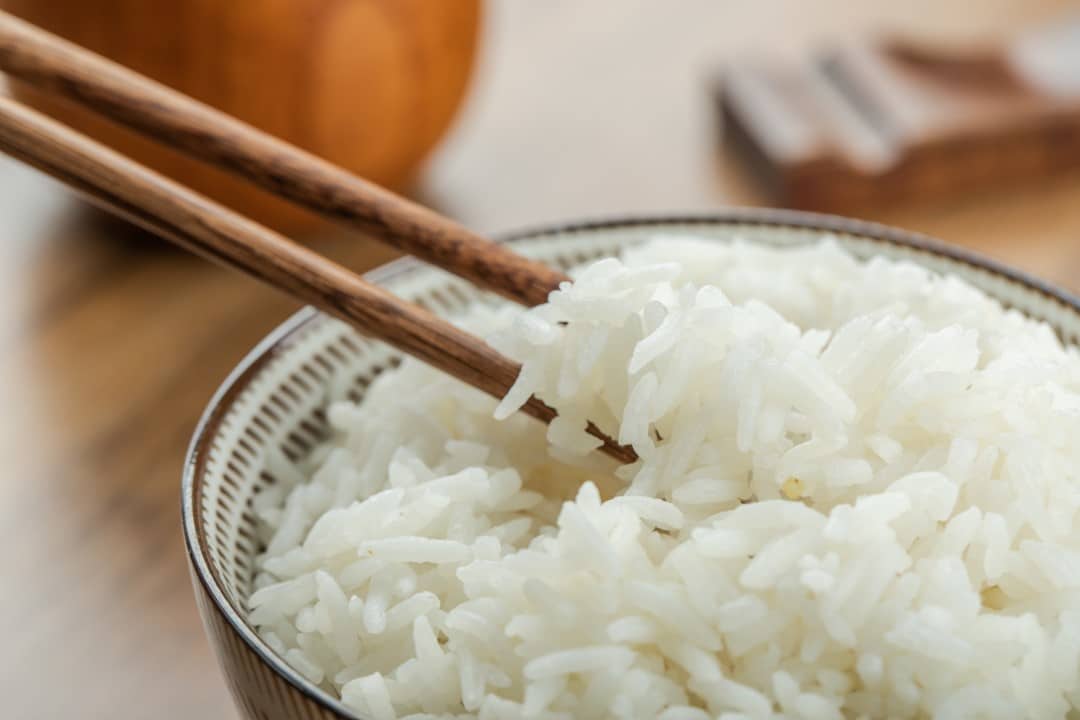
Japanese authorities identified a fraud network involving rice imported from Vietnã, sold as a national product amid rising prices in the country. The case came to light in June 2025, when customs inspectors from Osaka detected irregularities in two containers arriving at the city’s port. The couple responsible, formed by a Vietnamese woman and her Japanese husband, face accusations of smuggling and embezzlement, with evidence of profits of around 130 million yen.
The police operation revealed that around 300 tons of rice were sold irregularly, exploiting domestic shortages that have increased values by up to 20% since 2024.
- Main elements of the fraud: falsely declaring cargo as green beans to avoid tariffs of 341 yen per kilogram.
- Quantity initially seized: 45 tons in 2,272 cardboard boxes.
- Operation period: from June to November 2025, with more than 20 similar shipments.
Inspection reveals suspicious shadow
The inspection began routinely on June 25, 2025, at the Yumesima island container terminal in Osaka.
X-ray equipment showed elliptical and compact shapes, incompatible with round green bean grains.
Customs officials summoned the importer, 47-year-old Tomoyuki Takehige, for immediate verification, confirming the rice was hidden behind front boxes.
Context of the rice crisis in Japão
The rise in Japanese rice prices has been due to a combination of climate and market factors since 2024.
Extreme heat waves reduced production by 15%, leading to empty shelves in supermarkets and the release of government reserves of 210,000 tons in February 2025.
The government has imported record volumes, with the private sector forecasting 20 times as many purchases by 2025, but protective tariffs encourage fraud like this.
Data from Ministério from
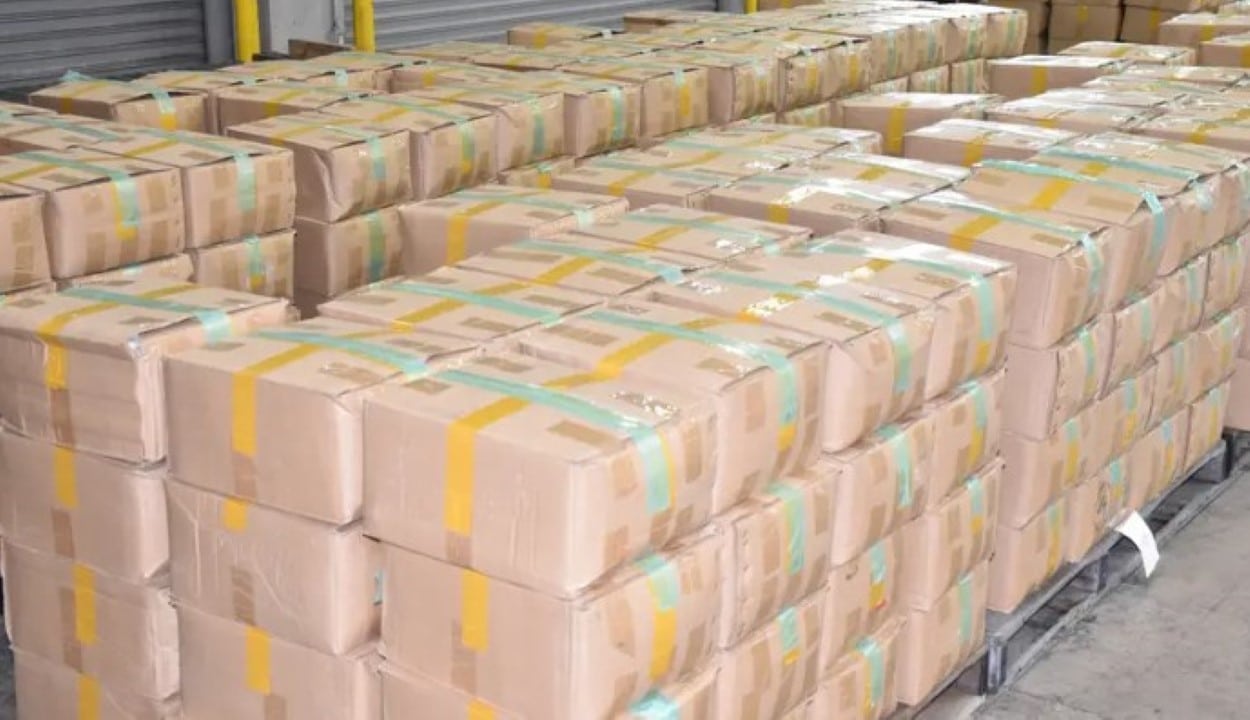
Disguise and smuggling strategy
The scheme involved collusion with Vietnamese suppliers to load containers with rice of the Japonica variety without mandatory phytosanitary inspection certificates.
Declaration as green beans allowed tax exemption, reducing costs by up to 341 yen per kilogram and facilitating entry without quarantine.
After release, the rice was passed on to distributors in Osaka, packaged with false labels of domestic origin and sold via promotional messages as “fresh Japanese rice available.”
Police estimate that 300 tons were processed in this way, generating 130 million yen in illicit proceeds between June and November.
Investigators tracked bank transactions and messages, confirming at least 20 previous successful imports this year.
Legal and economic repercussions
The couple were initially arrested for smuggling in August 2025, with fraud charges added in December.
The Osaka prosecutor’s office sent the case to Ministério Público, invoking rice traceability and plant protection laws, with potential penalties of up to 10 years in prison.
Economically, the episode highlights vulnerabilities in import control, with customs intensifying X-ray examinations of agricultural cargo from Asian countries.
Fraudulent distribution flow
Companies such as Frechi LLC, managed by the Vietnamese, acted as intermediaries, importing fruits and vegetables to mask activities.
The rice arrived at the port of Osaka and was transferred to warehouses in Higashi-Osaka, where it received packages with false seals from local producers.
- Sales channels: local supermarkets, restaurants and online sales with direct promotions to customers.
- Estimated volume sold: 300 tons, equivalent to more than 60 thousand 5-kilo bags.
- Projected profit: 130 million yen, after transportation and disguise costs.
Secondary distributors, still under investigation, passed the product on to retail chains in Kansai, exploiting the demand for premium rice.
The police operation expanded to track end-buyers, ensuring recalls where possible.
Customs preventive measures
Since the incident, Osaka customs has adopted stricter protocols for cargo declared as pulses.
Training in X-ray image analysis was expanded, focusing on density discrepancies between grains.
The government plans to raise tariffs on imported rice in 2026, but analysts warn of the risk of more creative schemes.
In 2025, seizures of counterfeit products in the Kansai region reached records, with 1.2 million items retained by November.
Impact on the grain market
The fraud has affected confidence in origin labels, prompting Japanese producer associations to call for independent audits of supermarkets.
Domestic prices stabilized slightly after reserves were released, but legal imports grew 25% in the third quarter of 2025.
Consumers in Osaka reported a preference for certified brands, with organic rice sales rising 12% in November.
Authorities monitor Sudeste Asiático’s shipping lanes, coordinating with Vietnã to monitor exports.
Response from law enforcement
The Osaka police, alerted by customs in July 2025, mapped the network in three months of surveillance.
Searches of homes and businesses revealed false documents and encrypted communications with foreign suppliers.
The investigation covers possible accomplices in neighboring ports, such as Kobe, to dismantle larger branches.
Laboratory tests confirmed the absence of contaminants in the seized rice, but highlighted the risks of undetected pests in irregular shipments.



