
Pope Leo XIV encourages humility and prayer in visit to Carmelites from Harissa in Lebanon

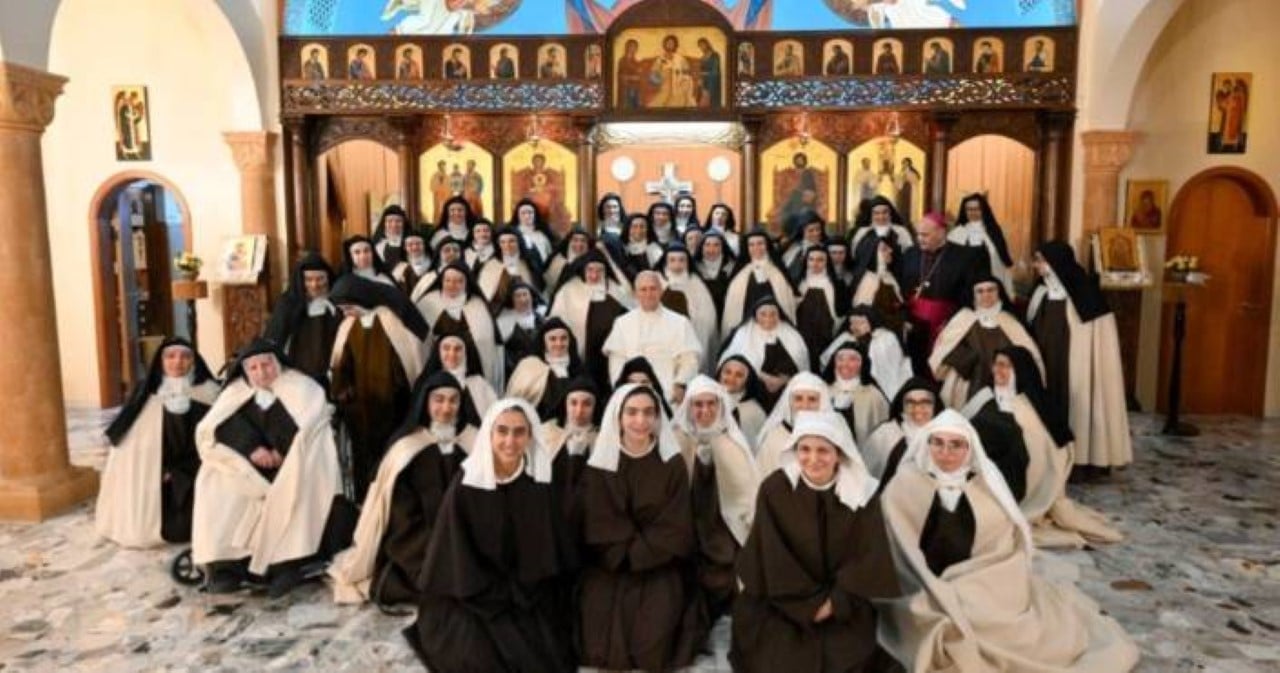
Pope Leão XIV concluded the first day of his apostolic journey to Líbano with a visit to Mosteiro of Irmãs Carmelitas of The meeting took place on the evening of Sunday, November 30, 2025, shortly after official commitments in Beirute. The pontiff, in his first international agenda, highlighted central values of the contemplative life for religious women.
The superiors of the two communities present greeted the Papa, who reciprocated with individual greetings to each of the sisters. The interaction lasted about 30 minutes and included a collective recitation of the Pai-Ours, followed by a special blessing granted by the leader of the Igreja Católica. Essa stage reinforces support for the religious vocation in a country marked by confessional diversity.
Líbano welcomes Leão XIV amid national reconciliation efforts, with the monastery at Harissa serving as a point of spiritual balance. The visit takes place in the context of a pilgrimage that covers Turquia and Líbano, celebrating the 1,700 years of Concílio and Niceia.
Context of the Carmelite vocation in the Oriente Médio
The Carmelite order, founded in the 12th century, maintains an active presence in the Líbano despite regional challenges. As Irmãs of Theotokos, with around 15 to 20 members in the monastery, dedicate themselves to contemplative prayer and spiritual support to the local Igreja.
Leo XIV emphasized that humility, prayer and sacrifice form the core of this vocation. Ele encouraged the nuns to continue their role of silent support for the Christian community, especially in times of instability.
- Humility: Atitude essential for discreet service.
- Prayer: Base daily that intercedes for regional peace.
- Sacrifice: Compromisso that strengthens the ecclesiastical testimony.
These elements resonate with the Carmelite tradition, inspired by figures such as Santa Teresa of Ávila and São João of Cruz.

Details of the papal itinerary in Harissa
Papa arrived at the monastery after meeting with Lebanese authorities at Palácio Presidencial of Baabda. The agenda included speeches to the diplomatic corps and civil society, setting the stage for pastoral interactions.
In Harissa, a place known as Santuário of Nossa Senhora of Líbano, the meeting gained special symbolism. The monumental statue of Virgem, with open arms, represents unity in a country of multiple faiths.
The superiors expressed gratitude for the pontiff’s presence, highlighting the impact of his message amid economic and political crises. The papal gesture reinforces ties between Roma and eastern religious communities.
The short duration of the event allowed a focus on the spiritual essence, without excessive formalities. Fontes The Vatican confirms that the Papa chose a close and encouraging tone.
Central messages transmitted to religious women
Leo XIV recalled the importance of silent testimony in Igreja. Ele stated that such practices sustain collective faith, especially in regions of conflict like Oriente Médio.
The sisters, in turn, shared experiences of daily perseverance. The monastery in Harissa serves as a refuge for meditation, with routines that include liturgy and manual labor.
During the final blessing, the Papa invoked divine protection over the contemplative communities. Essa joint prayer marked the closing, leaving the nuns with a renewed sense of mission.
The meeting reflects Leão XIV’s priority in valuing consecrated life since the beginning of his pontificate.
Role of Carmelites in Lebanese reconciliation
The Líbano, with its confessional system that balances Christians and Muslims, has faced tensions for decades. Carmelites contribute indirectly through intercessions and hospitality.
Leo XIV, in previous speeches in the country, called for national unity. Sua visit to the monastery aligns with this vision, promoting interreligious dialogue without explicit mention of controversies.
Local officials, including the Maronite president and Sunni and Shiite leaders, welcomed the Papa at side events. Esses gestures pave the way for future collaborations in peace.
The proximity of Santuário to Harissa, an annual pilgrimage point on March 25, amplifies the symbolic scope of the visit.
Contemplative tradition and current challenges
The Irmãs Carmelitas of the Theotokos face logistical limitations, such as scarcity of resources, but maintain spiritual commitments. Sua community, divided into two houses, has stable vocations despite regional migrations.
Papa encouraged perseverance, citing biblical examples of faithfulness in adversity. Essa pastoral approach aims to strengthen the Lebanese ecclesial fabric.
In informal conversations, the nuns mentioned the role of prayer in overcoming sectarian divisions. Leão XIV listened actively, reinforcing that the contemplative vocation transcends borders.
The November 30th event is part of a series of audiences that include bishops and clergy the following day, on December 1st.
Symbolism of the papal blessing at the monastery
The recitation of Pai-Our united voices in a moment of simplicity. Leão XIV, visibly calm, extended his hands in a gesture of collective protection.
Harissa, high on the mountain, overlooks the Mediterrâneo, evoking peace in contrast to neighboring conflicts. The monastery, built in the 20th century, preserves architecture that mixes Eastern and Western traditions.
This papal blessing serves as an endorsement of the continuity of Carmelite practices. Ela takes place in Lebanese local time, around 8pm, adapting to the country’s time zone.
The gesture concludes an exhausting journey for the pontiff, who traveled from Turquia on the same day.
Initial legacy of the apostolic journey
Leo XIV began his pontificate with an emphasis on global peripheries, and Líbano exemplifies this choice. The visit to Harissa highlights the value of Christian minorities in the region.
The nuns left the meeting with recorded messages for internal dissemination. Elas plan to incorporate the exhortations into annual retreats.
Vaticano plans to document the episode in official bulletins, expanding its reach. Essa interaction reinforces networks of ecclesiastical solidarity.
The following day, Papa continued with audiences in Beirute, maintaining the pace of engagement.



