
Drive more and spend less: 7 proven strategies to save fuel in the city and on the road

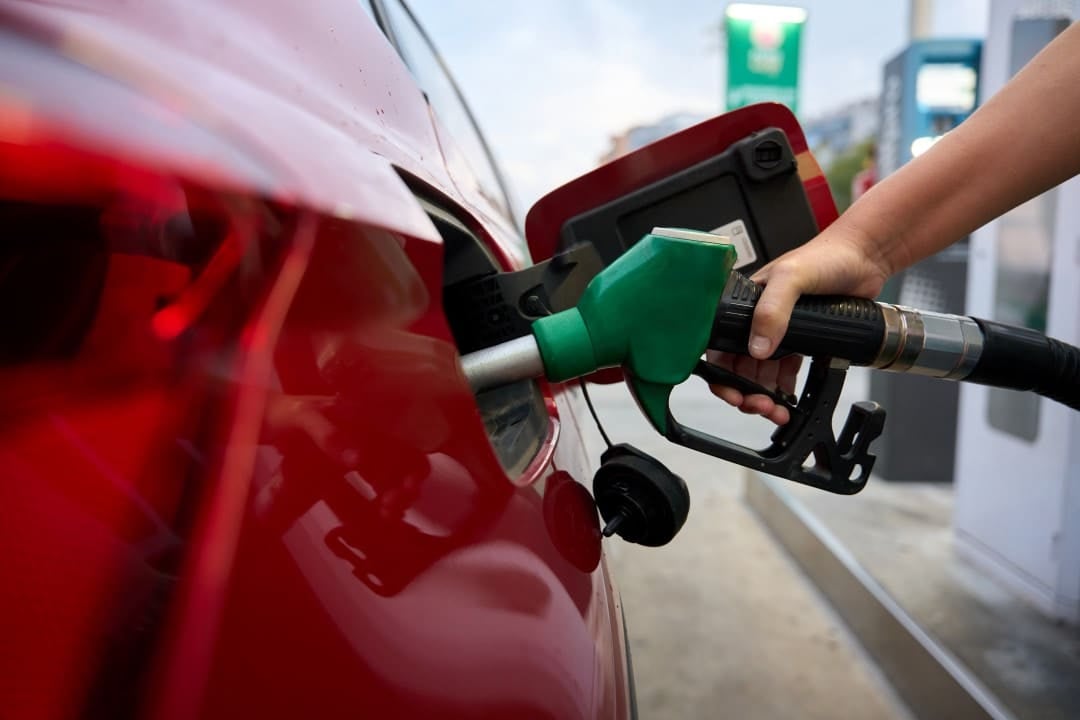
Experts consulted by automotive portals say that simple changes in habits and maintenance can reduce fuel consumption by up to 50% in 2025. Motoristas face constant price adjustments and the risk of tampering at gas stations. The guidelines range from defensive driving to basic vehicle care.
With the ICMS increased since February and new fluctuations expected, adopting efficient practices has become a necessity for millions of drivers. Estudos recent studies show that driving style accounts for up to 30% of the variation in average consumption.
Drive smoothly and anticipate traffic
Sudden acceleration and strong braking significantly increase fuel consumption, especially on urban journeys.
Experts recommend maintaining a constant speed whenever possible and anticipating traffic lights and traffic jams. Reduzir gradually speed up when you see a red light, avoiding the cycle of stopping and starting again.
This technique can reduce consumption by up to 20% in the city, according to tests carried out by university mechanical engineering centers.
Respect aerodynamics at different speeds
Air resistance directly influences engine effort at speeds above 80 km/h.
On slow urban commutes, keeping windows open and turning off the air conditioning is usually more economical. Já on highways, the ideal is to close the windows and turn on the air conditioning, as the turbulence generated by the windows greatly increases consumption.
Removing unnecessary luggage racks, racks and accessories from the roof also improves the vehicle’s aerodynamic coefficient.

Keep checks and calibrations up to date
Tires with pressure below the recommended level increase consumption by up to 10%, according to measurements from the automotive industry.
Changing the oil on time prevents excessive friction in the engine and maintains its original efficiency. Filtros of clogged air and fuel force the engine to work harder, increasing average expenditure.
- Calibrate your tires weekly, including the spare tire
- Change the oil according to the mileage indicated by the manufacturer
- Clean or replace air filters every 10,000 km
- Check alignment and balance every 10 thousand km
Avoid extra weight and organize the trunk
Every 50 kg of unnecessary load can increase consumption by between 1% and 2% in mixed use.
Objects stored in the trunk for months represent useless weight that the engine needs to move daily. In automatic vehicles, the impact appears even greater due to more frequent gear changes.
Experts advise checking the cargo compartment regularly and removing tools, work materials or sporting items when they are not in use.
Be careful when refueling to avoid mechanical problems
Filling the tank to the neck can damage the vapor recovery system (canister) on many models.
The pump automatically shuts off at the correct safety level designed by the manufacturer. Forçar more fuel after the click causes overflow to components that should only receive steam.
This practice does not increase real autonomy and can cause failures in the emissions system, as well as the risk of leaks on hot days.
Combine all practices for maximum results
Experienced mechanics claim that the sum of all these precautions can reduce average consumption by up to 50% in real conditions of use.
Vehicles that showed 8 km/l in the city have now recorded 12 km/l after consistent adoption of the measures. The savings vary depending on the model, year and traffic conditions, but the gains appear in the first tank.
Intelligent use of air conditioning makes a difference
The air conditioning compressor consumes between 5% and 15% more fuel depending on the power.
At speeds below 60 km/h, opening the windows usually uses less total energy. Acima of this brand, the aerodynamic gain with closed windows compensates for the use of the equipment.
Newer models have more efficient systems that reduce this impact compared to older vehicles.
The correct combination of preventive maintenance, conscious driving and simple daily care will allow you to face high fuel prices in 2025 with greater peace of mind. Motoristas who apply all recommendations report significant drops in monthly supply expenses.



