
Metroid Prime 4 Beyond arrives with an 80 rating on Metacritic and divides critics’ opinions

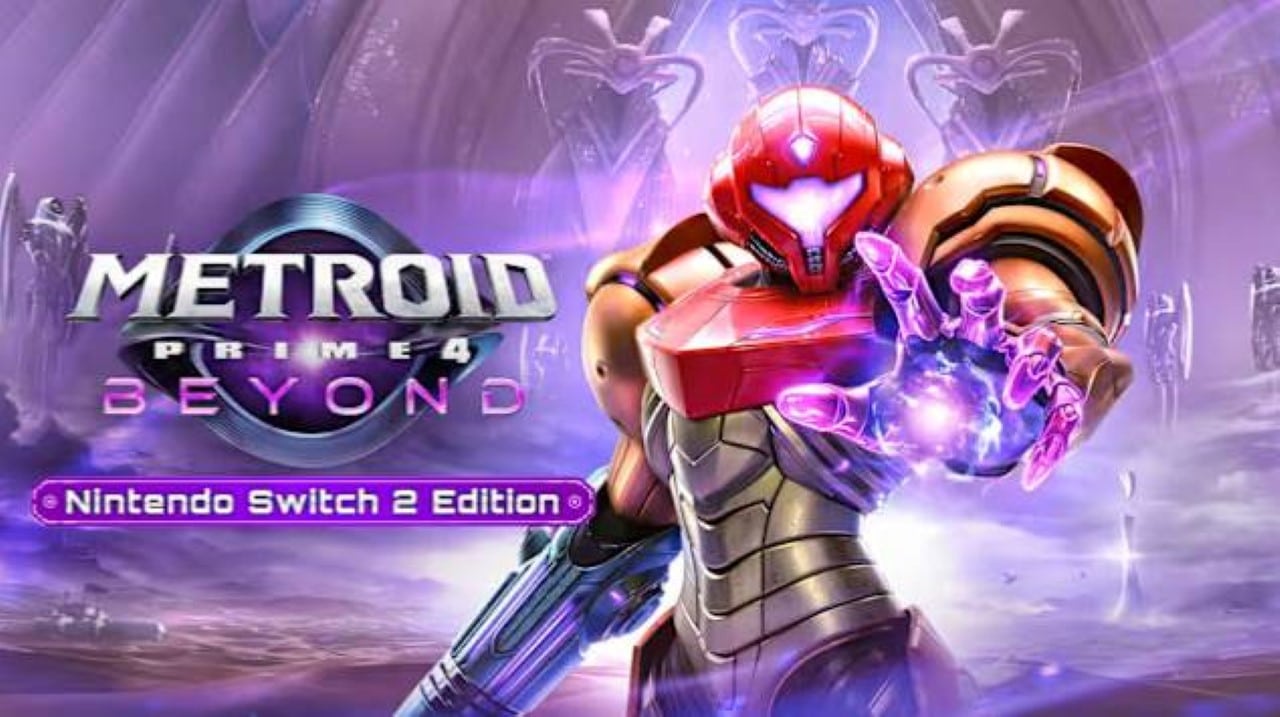
Nintendo releases Metroid Prime 4: Beyond for Switch and Switch 2 on December 4th. The game developed by Retro Studios scores 80 on Metacritic after 66 reviews. Críticos highlight precise combat and atmospheric exploration, but point out flaws in structure and secondary characters.
Samus Aran faces bounty hunter Sylux in an opening battle. An artifact activates a temporal rift that transports the protagonist to planet Viewros. Lá, she repairs the suit and collects powers to fulfill a prophecy of the extinct race Lamorn.
Development lasted eight years with a restart in 2019. Retro Studios took over after dissatisfaction with Bandai Namco. Virtuos and Next Level Games helped with production.
- Platforms: Nintendo Switch and Switch 2.
- Graphics modes on Switch 2: 4K/60fps or 1080p/120fps.
- Controls: Joy-Con as mouse for precise aiming.
- Approximate duration: 12 hours in the main campaign.
History in Viewros unites Samus with allies from Federação
Samus assists Galactic Federation against Sylux. The activation of a relic sends everyone to Viewros, a planet with jungles, deserts and underground laboratories.
Samus’s suit damages at first. Ela gains classic powers like Morph Ball and new ones like psychic glove. Aliados provide remote upgrades and lore via holograms.
Supporting characters include Myles MacKenzie, a loud-mouthed coach. Críticos notice excessive dialogue that breaks immersion.
Viewros is divided into connected biomes. The desert hub uses Vi-O-La motorbike for quick traversal.
Combat and powers renew classic formula
Lock-on aiming dominates first-person shooters. Samus dodges attacks and exploits enemy weaknesses with upgraded visors.
Psychic powers activate mechanisms and reveal invisible platforms. Chips ice, fire, and lightning elementals replace starting gimmicks.
Bosses require dodging sequences and charge beams. Scanning reveals data about enemies and the environment.
Critics praise fluidity in Joy-Con. No Switch 2, mouse-type sight increases accuracy.
Retro Studios maintained a cycle of losing and gaining skills. Backtracking opens new areas with upgrades.
Exploration in the desert hub generates controversy
The central desert connects four main biomes. Vi-O-La speeds up movement, but the area seems empty with few secrets.
Underground dungeons evoke classic Metroid with mazes and puzzles. Áreas like Fury Green impress with atmosphere.
- Forest biome: Inimigos agile and elevated platforms.
- Frozen laboratory: Puzzles with ice and slipping.
- Igneous volcano: Plataformas unstable and lava.
- Underground: Ecos from N64 with sinister vibes.
Some see hub as influenced by Breath of the Wild, but smaller and less dense.
Graphics and sound shine on new consoles
Environments range from humid jungles to arid deserts. Switch 2 runs smooth with improved textures and dynamic lighting.
Soundtrack mixes old motifs with rock riffs in chases. Efeitos sound reinforces immersion in combat.
Critics highlight impeccable art direction. Desempenho on the original Switch maintains a stable 30fps.
Samus, Vi-O-La and Sylux amiibos release extra items. Lançamento includes figures on December 4th.
Turbulent development explains inconsistencies
Announced in 2017, the project restarted in 2019. Retro Studios polished formula Prime with touches of Halo and Zelda.
Narrative focuses on prophecy Lamorn and rivalry with Sylux. Cutscenes explain lore without excessive spoilers.
Adjustable difficulty suits veterans and newcomers alike. Modo survival tests skills.
Metacritic reflects division: 81% positive, focus on highs and lows.
Reception varies between praise and reservations
IGN rating 8: irregular revival with bright peaks. GameSpot praises moments that surpass their predecessors.
Eurogamer criticizes 6: composite without cohesion. Nintendo Life gives 9: bold and accomplished.
Users predict positive reception despite expected 80. Vendas boost Switch 2.
Updates promise post-launch refinements.



