
TJSP maintains conviction of doctor Alessandra Araújo Gomes for death of baby in Sírio-Libanês

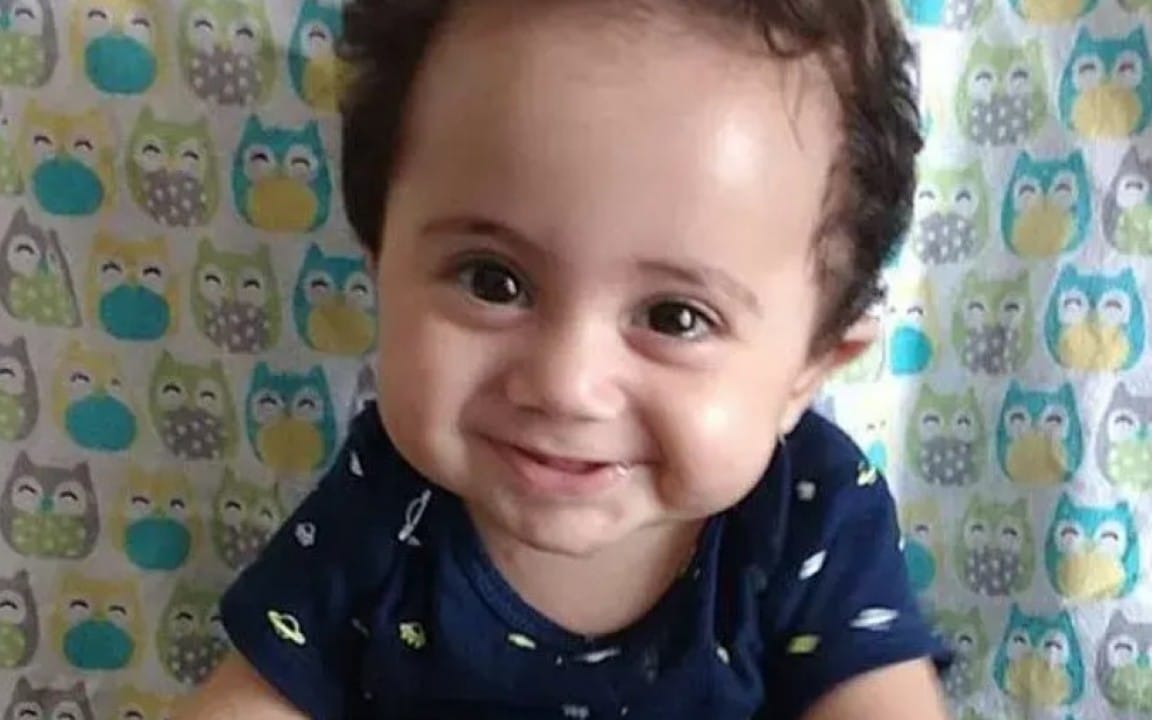
The Tribunal of Justiça of São Paulo (TJSP) confirmed, in a decision published this Monday (2), the conviction of the doctor The case occurred at Hospital Sírio-Libanês, in the capital of São Paulo, in the period prior to the first instance sentence, handed down in May 2025.
The child was awaiting a transplant and had a worsening of the clinical condition that was not identified in time by the responsible professional. The initial sentence of 1 year, 9 months and 10 days in an open regime was converted into provision of services to the community and payment of compensation equivalent to 100 minimum wages to the parents.
The doctor’s defense has already announced that it will present new appeals to the higher courts.
Details of the first instance sentence
Judge Eduardo Pereira of Santos Junior, of the 5th Vara Criminal of Barra Funda, considered negligence in monitoring the patient proven. Documentos of the process indicate that the doctor left the shift without registering significant changes in the child’s condition.
The replacement of the custodial sentence with restrictive measures followed legal criteria established for low-serious convictions. The May decision also prohibited the temporary exercise of public functions related to the medical field.
Defense position after second instance decision
Lawyers Douglas Lima Goulart and Rinaldo Pignatari Lagonegro Jr. state that the 7th Câmara of Direito Criminal disregarded the testimonial and documentary evidence presented. Eles destacam que a médica cumpriu plantão extenso e não teve acesso a informações sobre piora do paciente após sua saída.
The defense reinforces that the professional is recognized in her area of expertise. The resource will be directed to Superior Tribunal of Justiça (STJ) and, if necessary, to Supremo Tribunal Federal (STF).
Facts about service at Hospital Sírio-Lebanese
Pedro de Assis Cândido was admitted to the unit for pre-transplant monitoring. The condition evolved into serious complications during prolonged hospitalization.
Reports of the process indicate that the medical team did not identify signs of worsening in a timely manner. The child died before the planned surgical procedure was carried out.
Expert examinations found that the evolution of the disease presented highly complex characteristics. However, the report pointed out flaws in the communication protocol between shifts.
Procedural history of the case
Ministério Público’s complaint from São Paulo was received in 2023. The trial at first instance took place throughout 2024 and resulted in conviction in May 2025.
The appeal was analyzed by the 7th Câmara Criminal of the TJSP. The judges unanimously maintained the single judge’s understanding.
The defense filed a motion for clarification on the same day the ruling was published. Novo appeal will be presented within 15 days after official notice.
Next legal steps
With the conviction maintained in the second instance, the case continues for analysis in Brasília. The STJ evaluates a special appeal when there is a violation of federal law.
If the decision is maintained, the doctor will carry out the alternative sentences immediately. The provision of services to the community will have a duration equivalent to the original sentence.
The child’s parents monitor the progress through a prosecutor’s assistant.
Technical expertise and medical literature
The judicial expert interviewed during procedural instruction highlighted the difficulty of attributing individual responsibility in highly complex cases. Ela mentioned that adverse events can occur even with appropriate management.
The report reinforced that the disease had an unpredictable evolution. Ainda therefore, the judges understood that there was an avoidable omission in the recording and communication of vital signs.
The final decision considered evidence sufficient to establish guilt.
The case reinforces debates about security protocols in highly complex units. Instituições hospitals routinely review handover procedures after similar events.




