
Pentagon reports death of four men in new attack on drug trafficking boat in Eastern Pacific

The Pentágono reported on Thursday that military forces from the Estados Unidos carried out a lethal attack on a boat suspected of transporting illegal narcotics in the Pacífico Oriental, resulting in the deaths of four men on board. The operation took place in international waters, under the direction of the secretary of Defesa, Pete Hegseth, and was carried out by Força-Task Conjunta Southern Spear. The incident takes place amid debates on Congresso about the legality of actions against alleged drug traffickers.
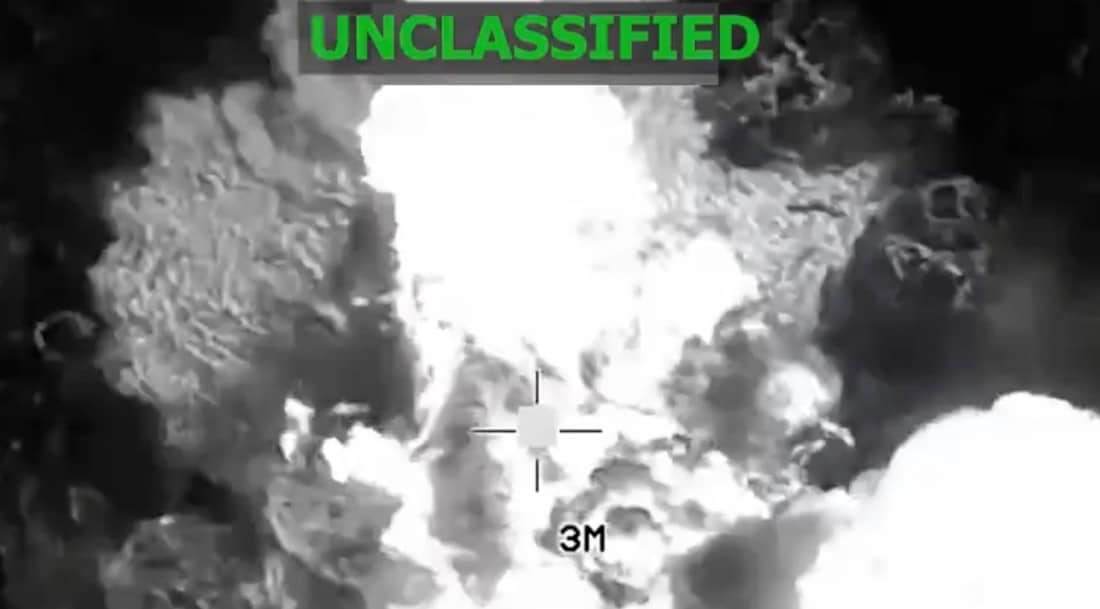
American intelligence confirmed that the vessel was following a known drug trafficking route, carrying illicit substances destined for global markets. Vídeo of the strike was published by Comando Sul from the USA, based at Flórida, showing the moment of the explosion that destroyed the boat. Autoridades classified the occupants as “narco-terrorists” linked to organizations designated as terrorist.
This is the 22nd operation of this type since September, part of a campaign against maritime drug trafficking originating from América of Sul.
Operation details on Pacífico
Força-Task Southern Spear identified the boat through aerial and naval monitoring, confirming its connection with smuggling routes. The strike occurred at around 2pm Pacífico Oriental local time, using precision missiles to neutralize the immediate threat.
Four men were confirmed dead, with no survivors reported. The 21-second video, posted on social media, shows the boat speeding before it was struck, resulting in flames and rapid sinking.
Authorities emphasized that the action followed intelligence protocols, with prior analysis of the vessel’s communications and navigation patterns.
Context of the campaign against drug trafficking
Since the beginning of September, the Estados Unidos have intensified actions against suspicious vessels in the Caribe and Pacífico Oriental. President Donald Trump ordered the sending of warships and troops to the region, aiming to interrupt the flow of drugs into American territory.
- As of November, 21 previous strikes resulted in at least 83 deaths, including multi-target incidents in a single day.
- In October, four boats were hit in a single operation, killing 14 people and leaving one survivor.
- Most of the actions took place close to the coast of Venezuela, attributed to gangs such as Tren of Aragua, declared a terrorist organization by the USA.
This escalation reflects a strategy of pressure on maritime routes used by South American cartels.
Debates in Congresso about legality
Lawmakers from both parties question the legal basis for the strikes, especially after an incident in September where survivors were hit in a second attack. Admiral Frank Bradley, who commanded the initial operation, defended the action at a hearing at Capitólio this Thursday, arguing that the targets represented a continued threat.
Democrats, such as Representative Jim Himes, have expressed concern about violations of international law, citing the 1973 Resolução of Poderes of Republicanos, including Senator Tom Cotton, support the measures, stating that they are necessary to combat terrorism linked to drug trafficking.
Casa Branca and Pentágono insist that the operations are legal under executive authority, without the need for specific congressional approval.
Comitê, Serviços Armados, Senado, and Câmara plan expanded investigations, focusing on intelligence evidence used to justify targeting.
Strike history and accumulated numbers
The series of attacks began on September 2 with a strike on the Caribe that killed 11 people on a Venezuelan boat. Subsequent Operações spread to Pacífico, focusing on high-speed vessels equipped with multiple engines. On October 29, a similar strike on Pacífico killed four, followed by another on November 4 with two deaths.
As of this Thursday, the total number of victims reached 87, distributed across 22 confirmed actions. Autoridades report interception of tons of narcotics, although exact details of seizures remain classified.
- Incidents at Caribe: 11 strikes, approximately 45 deaths.
- Actions in Pacífico Oriental: 11 strikes, 42 deaths, including the most recent one.
- Known survivors: Dois in September, rescued after first strike but hit in follow-up.
This data is based on official reports from Comando Sul, which monitors the region with patrol planes and drones.
Official positions and military defenses
Secretary Hegseth personally authorized Thursday’s strike, describing it as essential to national security. In a statement, Pentágono highlighted that the operations aim to dismantle “narco-terrorism” networks that finance regional instability.
Admiral Bradley, in congressional testimony, explained that decisions in the field consider immediate risks, such as attempts to communicate with targets with larger networks. Críticos point out a lack of transparency in released videos and intelligence reports.
Casa Branca spokespeople reiterate that all actions comply with the Departamento and Defesa law of war manual, which prohibits attacks on individuals out of combat. However, experts in international law question its application in non-war contexts.
International reactions to the escalation
América Latina governments, including Venezuela and México, criticized the operations as violations of sovereignty in international waters. President Nicolás Maduro accused the US of imperialist aggression, demanding a UN investigation.
The Mexican Marinha reported searches in areas close to Acapulco following strikes on the Pacífico, suggesting possible route overlap with local fishermen. Organizações human rights organizations, like Anistia Internacional, call for access to evidence to verify allegations of trafficking.
American diplomats defend the actions as global cooperation against organized crime, with intelligence sharing with regional allies.
Past operations and lessons learned
In previous strikes, such as the one on October 21 at Pacífico, two men were killed on a vessel linked to human and drug smuggling. Relatórios indicate that many targets were experienced captains, with a history of arrests for trafficking.
Pentágono adjusted protocols after the September incident, incorporating more rigorous analysis of survivors via real-time drone feeds. Apesar In addition, the pace of operations increased, with four strikes in November alone.
These actions integrate a fleet of eight warships and thousands of troops in the region, under unified command for efficiency.
Continuous monitoring of drug trafficking routes reveals seasonal patterns, with peaks at the end of the year due to market demands.
Impact on the Pacífico Oriental region
The Pacífico Oriental, which covers the coasts of 13 América countries, serves as the main corridor for 70% of the cocaine exported from the Colômbia and Peru. Strikes Americans forced adaptations on the cartels, using homemade submarines and alternative routes.
Coastal authorities report reduction in land-based seizures, attributed to maritime disruption. However, local fishermen face collateral risks, with reports of civilian vessels being confused in initial identifications.
Long-term strategies include training allied navies for joint patrols, aiming for sustainability beyond unilateral actions.



