
Pope Leo XIV approves sexual pleasure between married couples: It doesn’t have to be just procreation

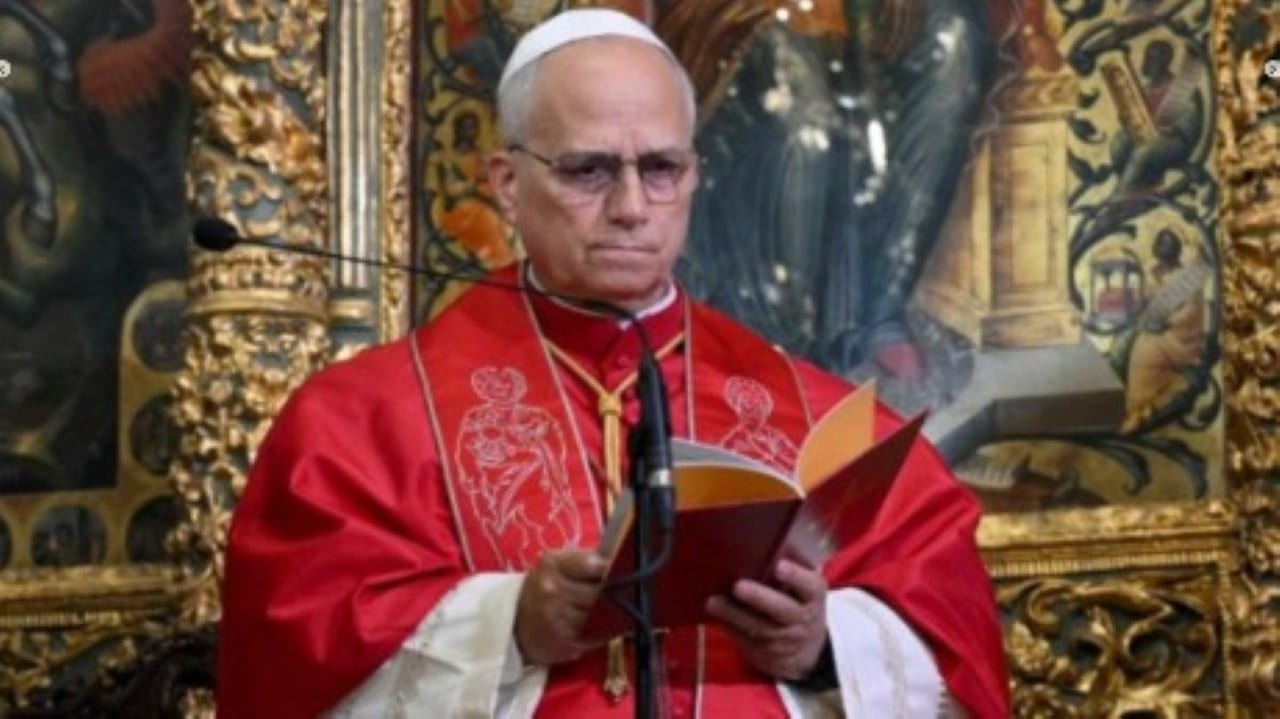
At the end of November, Vaticano released a doctrinal note approved by Pope Leão XIV, recognizing that sex in marriage goes beyond procreation and strengthens the emotional union between spouses.
The document, signed by Dicastério for Doutrina of Fé, emphasizes monogamy as an exclusive union between man and woman, criticizing practices such as polygamy and polyamory in contemporary contexts.
This orientation arises in response to debates about sexuality and family, influenced by modern individualism, and reaffirms Catholic traditions with new emphases.
- Conjugal sexuality must express mutual charity, open to life, but without demanding procreation in every act.
- Periods of natural infertility can be used to express affection and fidelity.
- The text quotes poets and theologians to illustrate love as a total and exclusive bond.
Unitive purpose gains prominence in doctrine
The doctrinal note, entitled “Una Caro” (one flesh), defines marriage as a communion of love and life, not limited to the generation of children.
This vision integrates the procreative aspect with the unitive aspect, where sexual acts enrich mutual belonging.
Theologians point out that the document consolidates teachings from Concílio Vaticano II, from 1962-1965, on bodily intimacy as a sign of spiritual communion.

Historical evolution of the ecclesiastical vision
In the 16th and 17th centuries, manuals for confessors recommended sexual abstention during periods such as Quaresma or Sundays, treating sex as potentially sinful.
From the 20th century onwards, especially after the Concílio Vaticano II, the Igreja revised this perspective, incorporating the unitive character of marital relations.
Catecismo of Igreja Católica, from 1992, states in paragraphs 2360 to 2362 that sexuality is a source of joy and pleasure, as long as it is driven by authentic love.
This progression reflects a more integral approach, balancing pleasure, responsibility and openness to life.
Pope João Paulo II, in his magisterium, insisted on the recognition of the unitive aspect for Christian couples.
Possibilities for infertile couples
Couples without the possibility of children can exercise sexuality as an expression of affection.
The note allows sexual acts without conscious procreative intention, respecting the dignity of the union.
Natural periods of infertility serve to regulate birth rates or choose suitable moments to welcome life.
- Permanent infertility: Mantém the essential marriage, focused on marital charity.
- Non-procreative acts: Enriquecem reciprocity without violating openness to life.
- Natural cycles: Usados for affection, fidelity and responsible family planning.
Literary and philosophical influences on the text
The document incorporates verses from Pablo Neruda about erotic love and excerpts from Eugenio Montale about emotional bonds.
Quotes from Søren Kierkegaard, an existentialist theologian, reinforce marital ethics as a free and total choice.
These references transcend the ecclesiastical scope, illustrating sex as a celebration of responsible love.
Other poets, such as Rabindranath Tagore and Emily Dickinson, support the idea of union that transcends the immediate.
Note writer profile
Cardinal Victor Manuel Fernández, prefect of Dicastério, signs the text and has a history of being open on sexual topics.
Author of the book “Sáname con Tu Boca: El Arte de Besar”, he encouraged erotic kisses as a marital practice.
A close friend of Pope Francisco, Fernández has faced conservative criticism for progressive views on LGBTQIA+ and irregular unions.
In 2009-2011, under Bento XVI, he was questioned for speeches considered too modern.
Limits on artificial contraception
Igreja maintains a ban on artificial methods, such as pills or condoms, prioritizing the Billings ovulation method.
Parishes offer courses for couples to learn natural family regulation techniques.
Experts note that changes on this point take time, but the debate is progressing in ecclesiastical forums.
The note reinforces that pleasure without responsible love leads to loneliness, emphasizing mutual responsibility.
Biblical eroticism and Catholic tradition
The Cântico of the Cânticos, of the Antigo Testamento, exalts mutual desire and bodily beauty, dated between 450 BC and 330 BC.
Without this poem, Bíblia would lack a positive connotation to sex, according to specialized linguists.
Other biblical mentions link sexuality to family or negative contexts, such as abuse.
The patristic tradition, as in João Crisóstomo, sees monogamy as an antidote to sexual excesses without fidelity.
Pope Leão XIII, in 1880, initiated papal reflections on marriage, influencing current documents.
Contemporary reactions and debates
The text criticizes postmodern individualism for fragmenting relationships, promoting an uncontrolled search for pleasure.
Progressive sectors see evolution, while conservatives question secular references.
The note encourages education in monogamous love, combating sexual violence seen on social networks.
Defends female dignity, demanding exclusive reciprocity in marriage.
Catholic couples, according to the document, must cultivate dialogue and cooperation beyond the sexual act.



