
Woman is attacked on a BRT bus in Rio after defecating in the vehicle and attacking a passenger with feces in Taquara

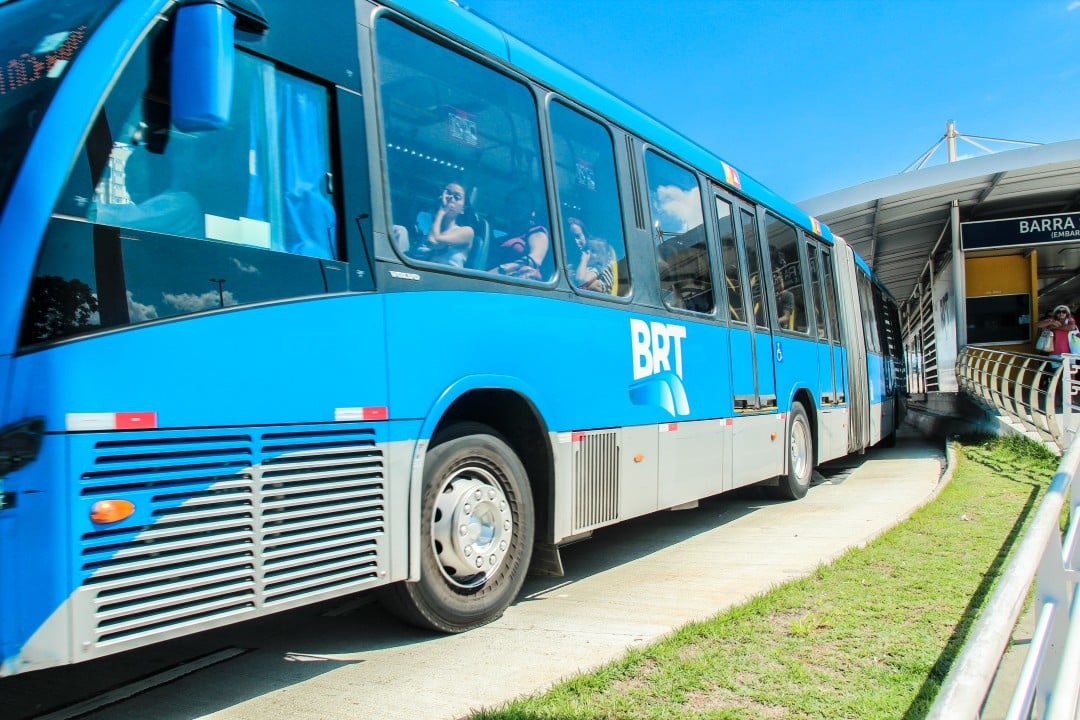
A video recorded on Wednesday night (3), in Taquara, neighborhood of Zona Oeste of Rio of Janeiro, shows a woman being attacked by a passenger on a BRT bus after defecating inside the vehicle. The incident, which occurred around 8pm local time, escalated into widespread confusion among the occupants of the bus. The driver stopped the journey immediately to remove the passenger, according to witness reports.
The attack began when the man kicked the woman, who then picked up part of the feces and threw it at him, hitting other nearby passengers. The episode generated disgust and heated discussions, with the bus being emptied within minutes. Autoridades locations were contacted, but there is no record of immediate arrests.
The recording, which has been circulating on social media since the early hours of Thursday (4), lasts around 30 seconds and captures the exact moment of the woman’s reaction. Passageiros scream and move away, while the attacker retreats after the throw. The case highlights recurring problems in crowded public transport in the region.
Episode details on BRT
The bus operated on the line that serves Taquara, a residential area with a high flow of workers at the end of the day. Testemunhas state that the woman, described as elderly, entered the vehicle visibly agitated and unable to proceed to the nearest bathroom.
Immediate reactions from passengers
Passengers reported the strong smell as the main source of initial discomfort. One of them tried to intervene, but the situation was worsened by the kick.
The evacuation took place at an intermediate stop, forcing dozens of people to wait for another bus.
The BRT group, responsible for the operation, confirmed what happened and initiated an internal investigation into the driver’s behavior.
The end of Brasil:
— Verdades and Nada Mais 🥇 (@VerdadeseNadaMa)December 4, 2025
He finished. Quem go out last, poop before turning off the light… and close the door.
🤮🤮🤮pic.twitter.com/Sym1FIP5rI
Measures taken by the service operator
The driver followed safety protocol by stopping the vehicle in a safe place, avoiding accidents on the expressway. Equipes cleaning staff were called in to sanitize the interior of the bus.
The company issued a statement stating that it monitors routes with cameras and trains drivers to deal with similar emergencies.
Records indicate that isolated incidents like this affect around 5% of monthly operations in the BRT system, according to internal data released in recent reports.
Impacted passengers received fare refunds via the official app.
Emergency procedures on public transport
Secretaria Municipal of Transportes of Rio advises drivers to prioritize physical integrity in cases of disturbances. Unscheduled Paradas are permitted in situations of health risk or violence.
Inspection agents monitor critical lines on Zona Oeste, focusing on peak times. In 2024, more than 200 similar incidents were recorded, resulting in mandatory training for teams.
Polícia Militar was notified about the video, which can serve as evidence in any police reports. Vítimas of assaults receive support via specialized police stations.
- Evacuation protocol: Remoção rapid evacuation of occupants without panic.
- Hygiene: Uso of disinfectants approved by Vigilância Sanitária.
- Psychological support: Disponível for emotionally affected witnesses.
- Monitoring: Câmeras mandatory in all vehicles since 2023.
History of similar incidents on Rio
Cases of disturbances on buses in the capital of Rio de Janeiro occur frequently, especially on overloaded routes. In February 2025, a fight between passengers on line 399 ended with physical attacks and police intervention.
In Taquara, reports from 2024 point to at least three episodes involving passengers in an altered state, attributed to factors such as overcrowding and lack of accessibility to toilets.
Authorities record a 15% increase in calls for emergencies on public transport in the last year, with an emphasis on peripheral regions.
The BRT system, opened in 2012, transports 800,000 users daily, but faces criticism for irregular maintenance.
Ongoing investigations by authorities
Secretaria of Segurança Pública of Rio confirmed contact with witnesses to collect statements. The aggressor may be liable for minor bodily injury, according to Código Penal.
The woman, identified as known for previous incidents on the BRT, receives a medical evaluation. Delegacias of Zona Oeste prioritize cases of violence in collective spaces.
Supervisory bodies plan to audit the affected lines, with a possible temporary suspension of night hours.
Witnesses who recorded the video cooperate with the investigations, providing additional material.
Guidance for users in risk situations
Passengers are instructed to press the emergency button or call 190 in cases of threat. Aplicativos of anonymous reports are available on the city hall portal.
Community training on coexistence in transport takes place monthly in neighborhoods such as Taquara. Relatórios annual events highlight the importance of empathy at peak times.
Data from Ouvidoria of Transporte shows that 70% of resolved complaints involve rapid mediation between parties.
Support available for victims
Social assistance services offer care to vulnerable people, including access to shelter and mental health. Disque 100 records reports of urban violence.
At Zona Oeste, mobile health units respond to transport-related emergencies. Parcerias with NGOs expand the scope of logistical support.
Statistics from 2025 indicate that 40% of incidents on BRTs result in referrals to specialized services, reducing recurrences.



