
19% of favelas can only be entered on foot or by motorbike: ambulances and rubbish are not enough, says IBGE

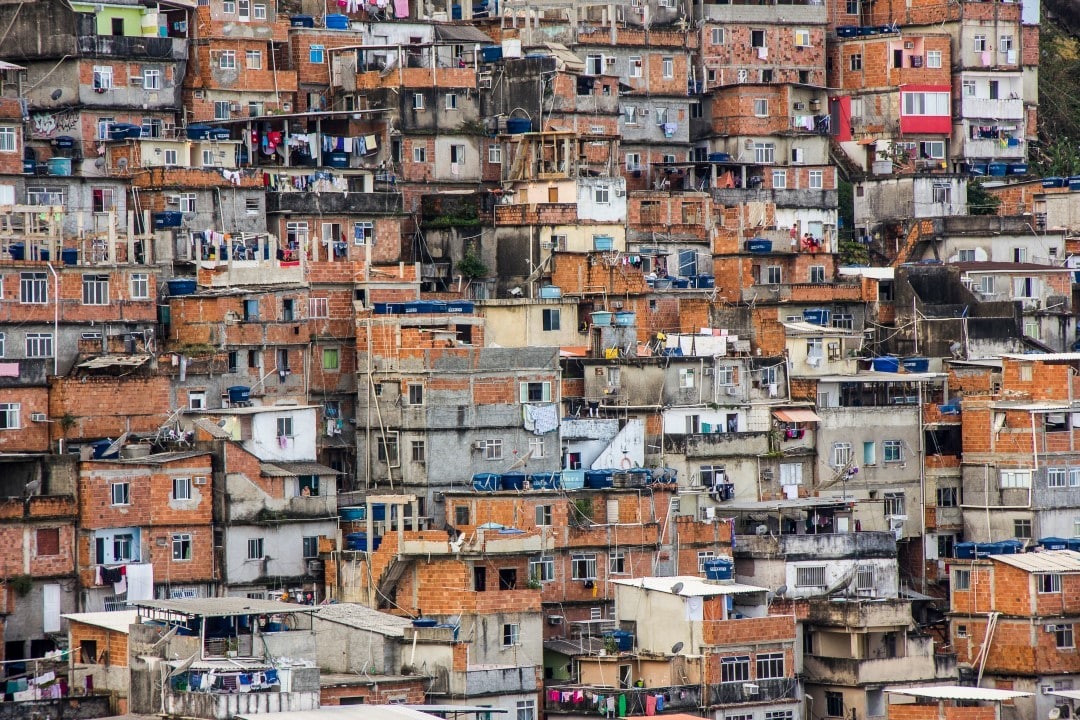
The IBGE census shows that 19% of residents of favelas and urban communities in Brasil, equivalent to 3.1 million people, live on roads accessible only by foot, motorcycle or bicycle. Fora of these areas, the index drops to 1.4%.
Traffic restrictions directly impact essential services, such as garbage collection and emergency ambulance care. The data, referring to 2022 and released this Friday (5), reinforces inequalities in access to urban infrastructure.
The country has 12,348 favelas, with a total population of 16 million inhabitants, or 8% of Brazilians.
Limited vehicular accessibility
IBGE technicians highlight that the lack of adequate roads for large vehicles creates concrete barriers in everyday life. Caminhões of garbage cannot enter 19% of favela streets.
Ambulances face the same obstacle in medical emergency situations. The combination of narrow streets and hills worsens emergency response times.
Sidewalks and pedestrian mobility
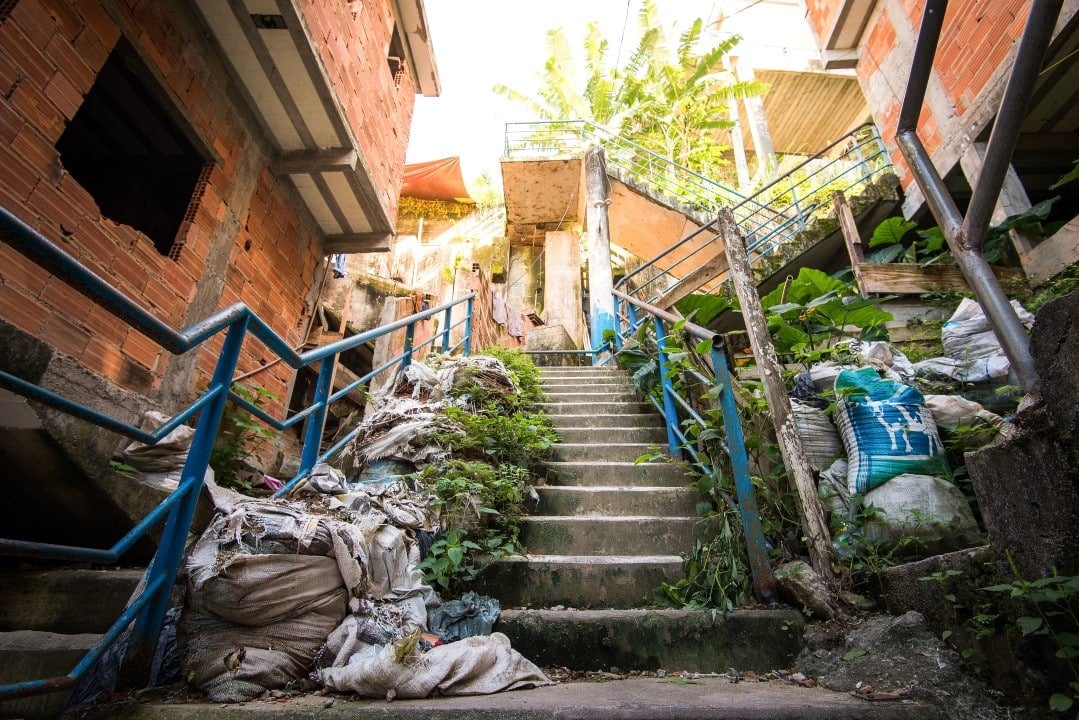
The presence of sidewalks affects only 54% of roads in favelas, compared to 89% in formal areas of the city. Obstáculos such as posts, steps and debris further reduce accessibility.
Elderly people and people with disabilities find it additionally difficult to leave the house. Rampas for wheelchair users are absent from more than 95% of the streets in these communities.
Poor paving and tree planting
Paving covers 78.3% of roads in favelas, while outside of them the rate reaches 91.8%.
Tree planting appears on just 35.4% of streets, half of what is seen in regular neighborhoods (69%).
- Roads with manholes or storm drains: 45.4% in favelas
- Public lighting present: 91.1% (98.5% outside favelas)
- Obstacle-free sidewalks: 3.8% inside versus 22.4% outside
Distant public transport
Nearby bus stops or vans appear on just 5.2% of favela roads. Fora of these areas, the percentage more than doubles, reaching 12.1%.
The low number of stops means long journeys on foot to reach accessible points. Moradores report depending on motorcycle taxis or apps for internal journeys.
Signage and road safety
Roads with dedicated lanes or signage for bicycles represent less than 1% of the total in favelas.
The lack of basic drainage equipment contributes to frequent flooding during periods of heavy rain.
These indicators, collected house by house by Censo 2022, allow us to accurately map infrastructure disparities between formal and informal territories in Brazilian cities. The survey covers 656 municipalities with the presence of favelas and urban communities.
Additional infrastructure data
IBGE also identified that 62% of favela residents live on roads that support buses and trucks. Nas in other urban areas, this capacity reaches 93%.
The difference reflects decades of disorderly growth on slopes and risk areas.
Experts from the institute point out that the numbers serve as a basis for public policies aimed at land regularization and improving accessibility.
Detailed information by territory is available for consultation on the official Censo portal.



