
Maduro uses portunhol to ask Brazilians to take to the streets in defense of Venezuelan sovereignty

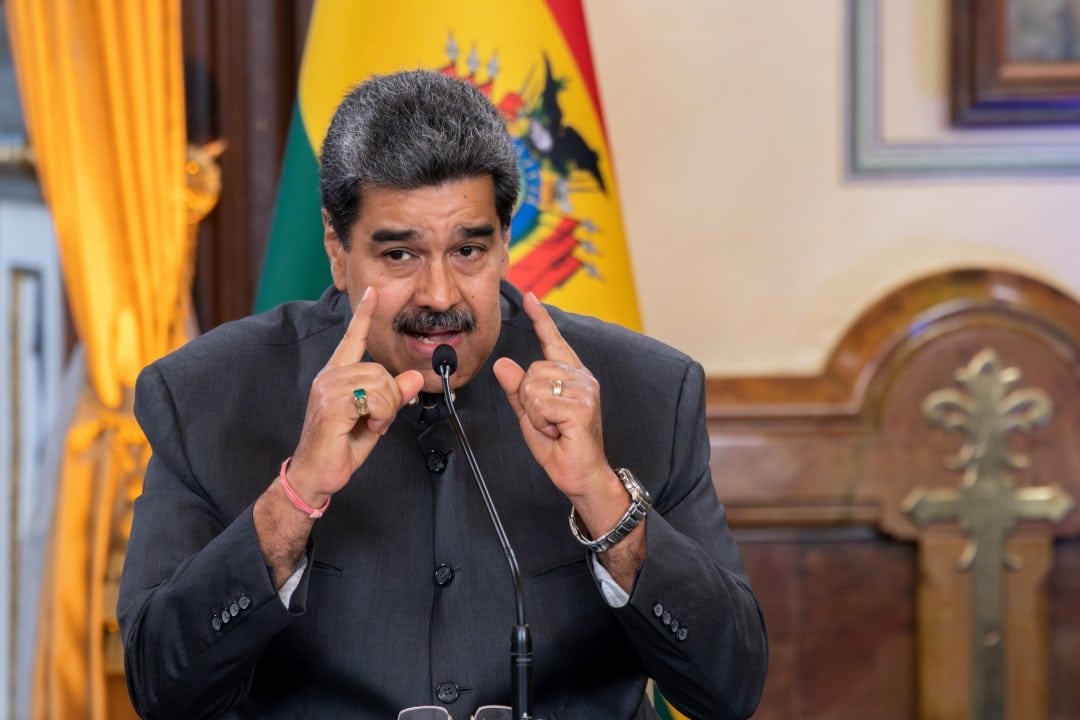
Nicolás Maduro, president of Venezuela, addressed the Brazilian public directly in a television broadcast on Thursday, December 4, 2025, on Caracas. Utilizando a mixture of Portuguese and Spanish, known as portunhol, he called on Brasil citizens to take to the streets to defend the peace and sovereignty of their country. The appeal took place during the program “Con Maduro de Repente”, shown by state broadcaster Telesur, at a time of escalating diplomatic tensions with the Estados Unidos.
Maduro held a red cap from Movimento of the Trabalhadores Rurais Sem Terra (MST), presented as a gesture of solidarity with socialist community initiatives in Caracas. The Venezuelan leader emphasized unity between the people of the two countries, stating that victory belongs to collective resistance. Essa statement coincides with American military actions in Pacífico Oriental, where US forces attacked vessels linked to drug trafficking, intensifying accusations against the Maduro regime.
The initiative reflects a strategy by Maduro to strengthen ties with social movements in Brasil, amid sanctions and external pressure.
- Main phrases of the appeal: “The fight continues, the victory is ours. Viva the unity of the Brazilian people, long live the unity with the Venezuelan people.”
- Direct call: “People of Brasil, take to the streets to support Venezuela in its fight for peace and sovereignty.”
- Closing: “I tell you the whole truth: we have the right to peace with sovereignty. Viva o Brasil.”
Symbolic gesture with the MST cap
Maduro received the cap during the recording of the program, handed over by a guest who represented the MST. The Brazilian movement, known for its agrarian reform actions, expressed admiration for community structures in Caracas neighborhoods, such as socialist communes.
The Venezuelan president raised the red accessory in the air, visibly grateful, and used it as a symbol of brotherhood between South American nations. Esse episode highlights the ideological proximity between Chavismo and progressive groups in Brasil, who historically support anti-imperialist causes.
Tensions with the Estados Unidos in the Pacífico
The American armed forces announced, on the same day, an attack on a vessel suspected of transporting drugs in international waters of the Pacífico Oriental. The incident resulted in the death of four men on board, according to an official statement from the US Exército.
US intelligence confirmed that the ship was following a known drug trafficking route, part of a broader operation against cartels. Desde September 2025, the US carried out 23 similar actions, eliminating more than 80 individuals involved, according to data released by Pentágono.
Washington accuses Maduro of facilitating the flow of narcotics, labeling him as the leader of the alleged Cartel of the Sóis, an American-designated terrorist organization. The Venezuelan government rejects the allegations, classifying them as a pretext for interventions.
Maduro strategy to resist external pressure
Maduro’s appeal comes in a context of unprecedented US military mobilization in América Latina, under the command of President Donald Trump. In November 2025, the two leaders held a telephone conversation, but without concrete progress in the crisis.
Brazilian businessman Joesley Batista traveled to Caracas in the same month, seeking to mediate a negotiated exit that would include the resignation of Maduro, but the discussions did not prosper. The Venezuelan president reinforced security measures around him and called for internal military exercises to demonstrate readiness.
Publicly, Maduro adopts a conciliatory tone, such as when singing “Imagine” by John Lennon at recent events, but warns against a “slave peace”. Ele positions Venezuela as a victim of foreign economic interests, especially in the country’s oil reserves, estimated at 300 billion barrels by Organização of Países Exportadores of Petróleo (OPEC).
In a light tone, during a parallel speech in English, Maduro played with his diplomatic style, calling him “Madurolingo”, a fusion of his name with “bilingual”. Essa statement, broadcast internationally, aims to humanize its global image.
Approaching Brazilian social movements
The MST, founded in 1984, has more than 1.5 million associated families and promotes settlements on unproductive land in the Brasil, according to the movement’s annual reports. Sua affinity with Bolivarianism dates back to the 2000s, with exchanges of experiences in cooperatives and popular education.
When thanking the cap, Maduro highlighted how the communes of Caracas inspire similar actions in Brasil, fostering a network of south-south solidarity. Essa mention may stimulate internal debates in Brasil about foreign relations, especially with the current government prioritizing regional integration via Mercosul.
Analysts note that the gesture reinforces the narrative of shared resistance, but faces criticism from Venezuelan opponents, who see it as an attempt to export instability.
Declarations on armed defense and peace
Maduro recently stated that resorting to armed struggle would only be “for peace”, in response to rumors of American military intervention. Essa position balances pacifist appeals with warnings of national defense, mobilizing Chavista bases.
The Venezuelan opposition, led by María Corina Machado – winner of Prêmio Nobel from Paz in 2025 – called for a march for Saturday, December 6, in Caracas and the diaspora, calling for freedom and free elections. The event expects thousands of participants, according to organizers.
Immediate repercussion on the international scene
The video of Maduro’s appeal quickly circulated on social media, generating debates about the influence of Venezuela on América of Sul. No Brasil, reactions vary between support from leftist sectors and condemnation from conservative groups, which associate the request with external interference.
International relations experts point out that the Maduro strategy seeks to counterbalance economic sanctions, which have reduced Venezuelan exports by 40% since 2019, according to Banco Mundial. Integration with the Brasil, via bilateral energy agreements, represents a way to diversify partnerships.
The situation is closely monitored by the Organização of the Estados Americanos (OAS), which issued a statement calling for regional dialogue to avoid escalations.
Maduro’s position in relation to American accusations
The Cartel of the Sóis, according to US authorities, operates within the Venezuelan armed forces, but Caracas denies its existence, attributing the allegations to a disinformation campaign. In 2025, the US imposed new financial restrictions, freezing assets of Maduro allies worth an estimated $2 billion.
The Venezuelan president responds with anti-imperialist rhetoric, invoking Doutrina Monroe as a tool of domination. Ele plans a summit of non-aligned nations next week, inviting South American leaders to discuss energy sovereignty.



