
Taliban force 13-year-old boy to shoot murderers of 13 family members in Khost stadium

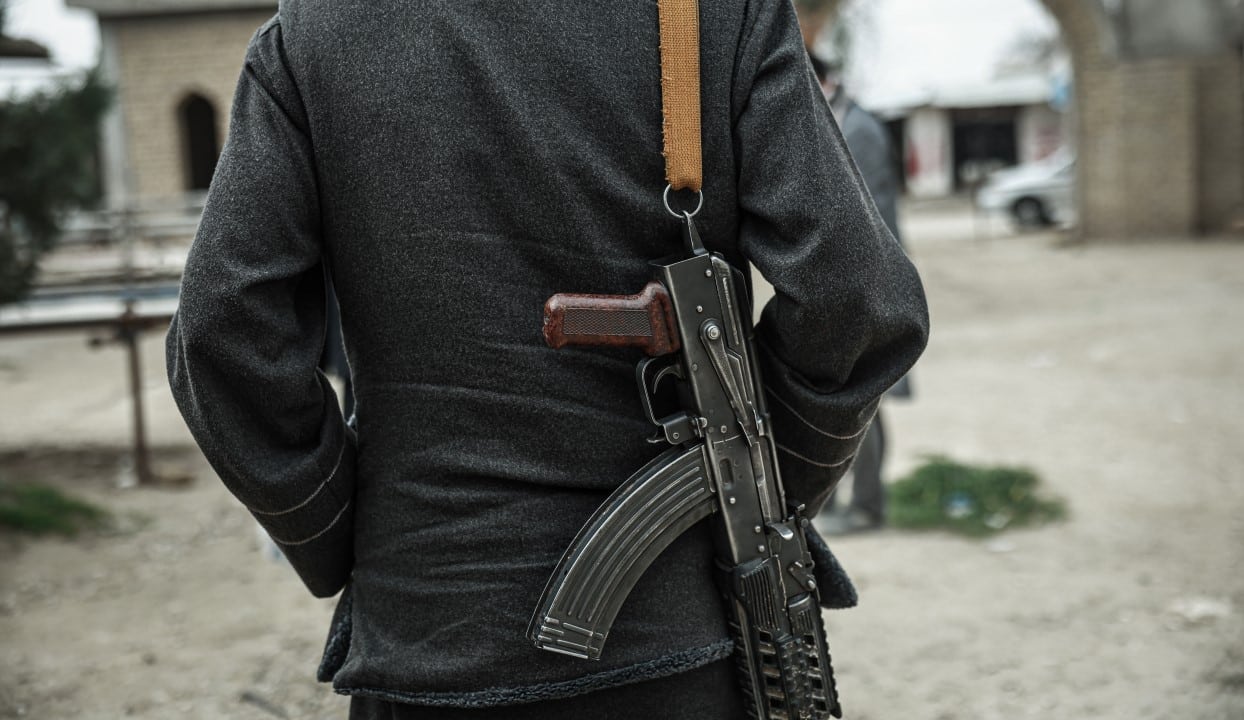
A 13-year-old boy executed a man convicted of killing 13 members of his family in a stadium in the Khost province of Afeganistão on Tuesday, December 2, 2025. Cerca than 80 thousand people watched the act, which received condemnation from the UN for violating human rights.
The crime occurred in January 2025, when the convict broke into a residence in the districts of Alisher and Terezio, killing Abdul Rahman and other relatives, including nine children and a woman. The Afghan Suprema Corte confirmed the sentence after reviews in three judicial instances, with final approval from the Hibatullah Akhundzada leader.
Taliban authorities reported that the event reinforces the application of Sharia, with prohibitions on filming at the location. Relatos locals indicate that the crowd, made up of family members and residents, moved en masse to the central stadium of Khost.
Details of the crime and trial
The killer, identified as Mangal, son of Tala Khan and resident of the affected districts, faced charges of deliberate homicide. Tribunais of the first instance examined evidence in February 2025, confirming guilt based on testimonies and material evidence.
Appeals took place in March, keeping the initial decision unchanged. Suprema Corte reviewed the case in April, ratifying the death penalty under Qisas, which allows retaliation equivalent to the crime.
Akhundzada signed the execution order in November, after consultations with the victims’ family. Dois other suspects in the same massacre are awaiting similar sentences, postponed due to the requirement for relatives to be present abroad.
50,000 people gathered today, to witness the implementation of Qisas on the murderer of 13 people in Khost province, Afghanistan.
—Muslims Posting Their W’s (@MuzlimsPostingW)December 2, 2025
According to unconfirmed reports, the killer was shot by a 13 year old boy, whose family members were killed in front of him.pic.twitter.com/njBA5mB8Tk
Application of the law Sharia in Afeganistão
Since retaking power in 2021, Talibã has imposed strict interpretations of Sharia, including punishments such as executions and amputations for serious crimes. Essa execution marks the 11th public case since then, focusing on homicides and adultery.
Local authorities highlight that Qisas offered options for reconciliation, but the family opted for retaliation. The spokesperson for the governor of Khost, Mostaghfar Gurbaz, confirmed that the act took place without incident, with final prayers for national security.
Critics point to a lack of transparency in the Taliban judicial system, which operates without independent juries. Relatórios indicate a 20% increase in capital sentences since 2023, concentrated in border provinces.
International reactions to the execution
Richard Bennett, UN special rapporteur for Afeganistão, classified the event as inhumane and contrary to international law. Ele highlighted the presence of children in the audience as an aggravating factor, in a post on X on the date of the incident.
Amnesty International demanded an immediate end to public executions, calling them an affront to human dignity. The organization has documented 12 deaths by this method since 2021, with calls for sanctions against the regime.
Western governments, via joint statements, reiterated concerns about human rights in the country. Bennett had already warned in October about the use of capital punishment without due process.
Crowd and security measures at the stadium
Around 80 thousand spectators filled the Khost stadium, surpassing previous events in scale. Cartazes banned cell phones with cameras and weapons, with Taliban police searching entrances since dawn.
Residents reported the gradual arrival of the crowd from 8am local time, peaking at 10am. Ambulâncias positioned outside the place transported the body after the act, which concluded with shouts of “Allahu Akbar”.
Bystanders like Javid, 30, expressed approval of the Taliban’s display of authority. External Imagens captured long queues, but internal writes were blocked.
Context of executions under Talibã
Public executions were routine under the first Taliban government, from 1996 to 2001, with hundreds of cases recorded. Após 2021, the number initially fell, but rose to 11 in four years, according to an AFP report.
Provinces like Khost, on the border with Paquistão, concentrate 40% of these events due to local disputes. Talibã justifies punishments as a deterrent for violent crimes.
- 15% increase in homicides reported in Khost since 2024.
- 70% of sentences involve families in failed reconciliation.
- Average presence of 50 thousand people per event, varying by location.
Impact on the local population
Residents of Khost see the executions as reinforcing order, with reports of a reduction in robberies in the region. However, local activists note trauma in young witnesses, including the executioner.
The event took place amid border tensions, with mutual accusations between Afeganistão and Paquistão for recent attacks. In November, Pakistani bombings killed nine children in Khost, raising security alerts.
Affected families receive limited Taliban support, such as food aid, but no psychological rehabilitation programs. Supremo Tribunal emphasized prayers for access to Islamic rights.



