39-year-old street vendor dies after attack by 10 dogs on farm in São José dos Campo


A 39-year-old street vendor died in the early hours of Wednesday (3), in São José of Campos, in the interior of São Paulo, after being attacked by a group of ten dogs on a farm. Júlio César of Souza Oliveira, the victim, was taken to the location by the resident of the property, but suffered serious injuries in the backyard. Serviço of Atendimento Móvel of Urgência (Samu) was called, but he could not resist and died at the address.
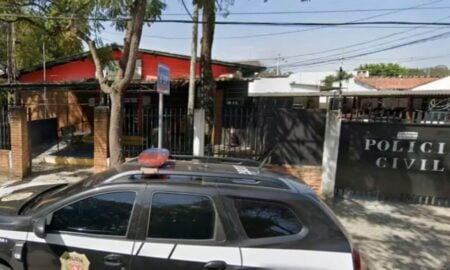
The police report records that the incident occurred around midnight, at Estrada of Serrote, a rural area in the neighborhood of Campos of São José. Testemunhas reported the victim’s cries for help during the attack, which mainly affected the legs and face. Polícia Civil opened an investigation to investigate the circumstances of the death, initially classified as suspicious.
The family of Júlio César, who worked as a street vendor in the region, confirmed the wake held on Thursday (4), at the Urbam cemetery. The burial took place the following morning, with the coffin closed due to the extensive injuries. The victim’s sister stated that she is seeking legal measures to hold those involved accountable.
Circumstances of the invitation and incident
The 47-year-old resident of the farm invited Júlio César to the property, according to the police report. Upon arrival, the dogs, of different breeds and with no apparent restrictions, attacked the man in the yard. The woman claimed to have warned about the presence of the animals, but the report does not detail whether there was prior negligence.
Experts from Polícia Científica carried out an inspection at the site on Friday (5), collecting traces such as footprints and blood samples. The dogs remained on the property during the action, which facilitated individual analysis of each one. Especialistas in animal behavior were consulted to assess whether pets have aggressive traits.
An argument between the victim and the resident preceded the attack, according to a witness statement. The episode lasted minutes, with the animals responding to stimuli in the nocturnal environment. The investigation prioritizes reconstructing the sequence of events to determine responsibilities.
Family reactions and support for the victim
Júlio César’s niece described her uncle as a hardworking person dedicated to his family. Relatives expressed surprise at the invitation to the property and demanded speedy investigations. An informal support campaign was started among neighbors to help with funeral expenses.
The victim’s brothers gathered at the wake to pay discreet tributes. Eles highlighted the peaceful profile of Júlio, who had worked as a street vendor for years in the east side of the city. The local commotion reflects the impact of the case on a rural community with few inhabitants.
City hall social workers offered psychological support to family members. The service covers initial sessions to deal with recent grief. Grupos of support in the region register an increase in demands in similar situations involving accidents with animals.
Police procedures and technical expertise
Polícia Militar isolated the area shortly after the emergency call, around 0:30 am. Equipes of Samu attempted resuscitation, but multiple injuries prevented success. The body was removed to Instituto Médico Legal (IML), where a necroscopic examination confirmed the causes of death.
Experts photographed the backyard and the interior of the farm, identifying gates and fences that could have contained the dogs. Análises laboratory tests of the victim’s tissues indicate deep lacerations in the lower limbs. The preliminary report must be released within 30 days.
The responsible police station requested additional statements from the resident and nearby neighbors. Registros of cameras on adjacent properties were requested to supplement the evidence. The line of investigation includes a possible history of incidents involving animals at the site.
The investigation classifies the case as manslaughter under analysis, depending on evidence of omission. Autoridades monitor the property to prevent unauthorized access during searches.
Recent incidents in São Paulo
Records from 2025 show a 15% increase in reports of attacks by dogs in the state of São Paulo. Em Campinas, for example, 4,300 anti-rabies consultations were carried out until November, with dogs involved in 60% of cases. Autoridades attribute the growth to the lack of vaccination in rural areas.
In the capital of São Paulo, an episode in October involved a pack of six dogs attacking pets in a neighborhood in the west zone. Moradores reported injuries to domestic animals, leading to the intervention of Centro of Controle of Zoonoses (CCZ). Casos similar events occurred in Perdizes, with unmuzzled pitbulls causing panic.
Data from Ministério from Saúde indicates 51 deaths from dog attacks in Brasil in 2024, with São Paulo leading 12 records. Especialistas link the phenomenon to irregular urbanization in outskirts, where pet control is poor.
- Main causes identified: lack of training in 40% of incidents;
- Lack of rabies vaccination in 30%;
- Environments without adequate barriers in rural residences, such as farms.
Standards for controlling domestic animals
Lei Estadual 15.123/2003 requires a collar, short leash and muzzle for large breeds on public roads of São Paulo. Municípios as well as São José of Campos reinforce the rule with fines of up to R$5,000 for non-compliance. CCZ only works on stray animals without owners.
Owners must register pets in the municipal register and carry out annual check-ups. In farms, reinforced screens and gates are recommended for containment. Veterinários warn about early socialization as a preventive measure.
The local city hall expanded inspections in 2025, with 200 inspections of rural properties. Denúncias anonymous calls via hotline grow 20% in the year. Tutores receive free guidance on behavioral management.
- Legal obligations for guardians: mandatory annual vaccination;
- Use of identification with platelets;
- Prohibition of uncontrolled breeding in home kennels.
Preventive measures on rural properties
Farm owners must install audible alarms to warn of intruders. Iluminação at night in the backyard reduces the risk of surprises for visitors. Treinamento dog basics include obedience commands, lasting 8 to 12 weeks in specialized centers.
Mass vaccination takes place quarterly in the eastern zone of São José of Campos. Campanhas educational institutions distribute leaflets on signs of aggression in pets, such as growling or rigid posture. Vizinhos form monitoring networks to report loose animals.
In 2025, the state invested R$2 million in neutering programs, aiming to reduce stray packs. Associações of animal protection offer free consultations for risk assessment. Integration between police and veterinarians speeds up responses to emergencies.
Behavioral assessment of the dogs involved
Experts in animal ethology examined the ten dogs on Friday (5), measuring responses to controlled stimuli. Testes include gradual exposure to sounds and movements, to map aggression triggers. Preliminary Resultados indicates a mix of genetic and environmental factors.
Each dog received individual identification, with a health history collected from the owner. Amostras of fur were sent for chronic stress analysis. Especialistas rule out abuse as the primary cause, but recommend temporary quarantine.
Pack behavior suggests territorial defense, common in unsocialized groups. Recomendações include physical separation of animals during investigations. Centros rehabilitation facilities can receive pets if a public threat is proven.
City hall’s position on collection
Secretaria of Saúde of São José of Campos clarified that the CCZ does not intervene in animals with an identified owner. The official note, released on Thursday (4), emphasizes the focus on zoonoses such as rabies. Equipes monitor the area for collective vaccination.
Inspections at neighboring farms began the week after the incident. Multas for irregularities in pet containment range from R$500 to R$3,000. The administration plans a public hearing to discuss local laws on responsible ownership.
Municipal resources include a 24-hour reporting hotline. Parcerias with NGOs aim to adopt rehabilitated dogs. The case drives debates about the extension of CCZ powers to private properties.