
Delays in rail and sea cargo affect national distribution due to the 7.6 Earthquake in Aomori, Japan

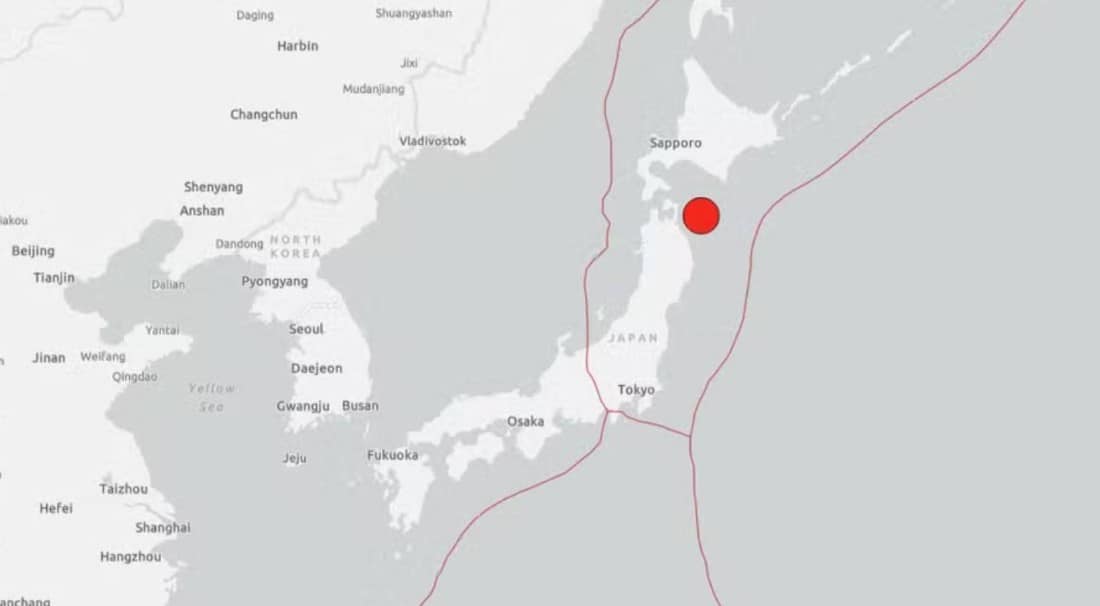
A 7.6 magnitude earthquake struck offshore off the coast of Aomori, north of Japão, on the night of December 8, 2025, at around 11:15 pm local time. The earthquake, recorded around 80 kilometers from the coast and at a depth of 50 kilometers, caused interruptions in maritime and rail transport services, directly impacting parcel deliveries in several regions. Autoridades of Agência Meteorológica of Japão issued tsunami warnings for Aomori, Iwate and parts of
Aftershocks of the tremor continued throughout the morning, with intensities of up to 5 on the Japanese scale in Hachinohe, a city close to the epicenter. Empresas of logistics, like Yamato Transport and Sagawa Express, reported delays on routes connecting the continent to Hokkaido, affecting national and international shipments. The local government monitors the situation, prioritizing the restoration of essential infrastructure to minimize economic losses.
- Main routes affected include ferries between Honshu and Hokkaido, with cancellations until 9 December.
- Freight trains on line Tohoku Shinkansen suspended between Fukushima and Aomori, delaying supplies.
- Official recommendation: plan shipments at least three days in advance to northern regions.
Details of the earthquake
The epicenter was located in the ocean Pacífico, 74 kilometers from Misawa, generating seismic waves that propagated for more than 500 kilometers. Registros indicate maximum intensity of 6 higher on the scale Equipes emergency personnel mobilized immediately, with initial reports of at least 27 minor injuries in hotels and homes in the Hachinohe region.
Authorities canceled port operations in Mutsu-Ogawara, where 40-centimeter tsunamis were measured at 11:40 p.m. local time. Agência Meteorológica of Japão maintained surveillance for potential aftershocks, with a 70% probability of tremors above magnitude 5 in the next 24 hours. Moradores received instructions via official apps to avoid vulnerable coasts and structures.
Disruptions to maritime transport
Ferries operating between Aomori and Hokkaido experienced delays of up to 12 hours on departures scheduled for December 9. Operadoras and Tsugaru Kaikyo Ferry suspended night routes due to safety inspections at docks damaged by the quake. Cargas perishables, such as Hokkaido agricultural products, face spoilage risks, with estimated losses in the millions of yen for exporters.
Agência of Assuntos Marítimos of Japão coordinated inspections on 15 affected vessels, prioritizing repairs to thrusters and navigation systems. Viagens alternatives by air have been suggested for urgent items, albeit at high costs. Usuários of express services received automatic notifications about redirects.
Passenger reports indicate that anchored ferries swayed violently, forcing precautionary evacuations. Autoridades ports in Hakodate, in Hokkaido, reinforced barriers against residual waves.
Failures in the freight rail network
The Tohoku Shinkansen high-speed train line stopped operations between Shin-Aomori and Fukushima shortly after the mainshock, affecting the transportation of 200 containers daily. JR Cargas industrial products, including electronics from factories in Sendai, accumulate at intermediate stations.
Technicians from the railway company use drones to map damage on 50 kilometers of track, ensuring compliance with anti-seismic standards. Alternativas bus stations via expressways were limited by partial closures in Iwate, redirecting trucks to congested secondary routes. The impact hits automotive supply chains, with delays in parts for automakers in Tóquio.
Measures of delivery companies
Yamato Transport confirmed, at 8:30 am on December 9, delays in packages routed from all over Japão to Hokkaido, in addition to shipments from Hokkaido to Tohoku, Kanto, Hokuriku, The company advises customers to add a margin of two business days to deadlines, with partial refunds for affected express items. Centros of distribution in Sapporo operate at reduced capacity, prioritizing essential medicines and supplies.
Sagawa Express warned of possible disruptions in two-way shipping between Hokkaido and the mainland, focusing on digital tracking for real-time updates. Japan Post has started checks on its fleets, with no precise recovery estimates to date. Todas companies activated contingency plans, including partnerships with local carriers for redistribution.
- Yamato: 15% of national shipments impacted, with a focus on e-commerce.
- Sagawa: Ênfase in corporate cargo, with 10% of the fleet reallocated.
- Japan Post: Monitoramento ongoing, no full cancellations announced.
Consequences for regional trade
Trade between Hokkaido and Honshu records a 25% drop in sea freight volumes in the first hours after the tremor, according to preliminary data from Câmara, Produtores of seafood in Hakodate faces paralyzed stocks, with negotiations for emergency air routes. Varejistas online, like Rakuten, notified millions of users about potential holiday delivery delays.
Economic authorities predict a gradual recovery from December 10th, with investments in logistical redundancies. Setores how agriculture and manufacturing adapt schedules, postponing exports to avoid qualitative losses. The central government allocated emergency funds to subsidize inspections of port infrastructure.
Smaller companies in Iwate report challenges in communicating with suppliers, opting for temporary local stocks. The resilience of the Japanese network, tested in past events, facilitates normalization, although with high operational costs.
Security and recovery assessments
Inspections at ports of Urakawa and Kuji confirmed minimal damage to main structures, allowing partial reopening at 10am on 9 December. Equipes of the Japanese Defesa Civil distributed emergency kits in temporary shelters, covering 2,800 evacuated families. Centro of Previsão of Tsunamis of Pacífico monitored residual waves, recording maximum heights of 70 centimeters at Kuji.
Japan Meteorological Agency issued bulletins on aftershock risks, recommending gas and electricity checks in homes. Hospitais and Aomori treated mild cases of falls, with no reported overload. Programas support services include hotlines for complaints about late shipments.
Power recovery in Iwate continues, with 95% of homes reconnected by dawn. Autoridades locations coordinate with Ministério of Terra for daily progress reports.



