
Real robotaxi experience: autonomous car drives itself in Los Angeles safely and comfortably

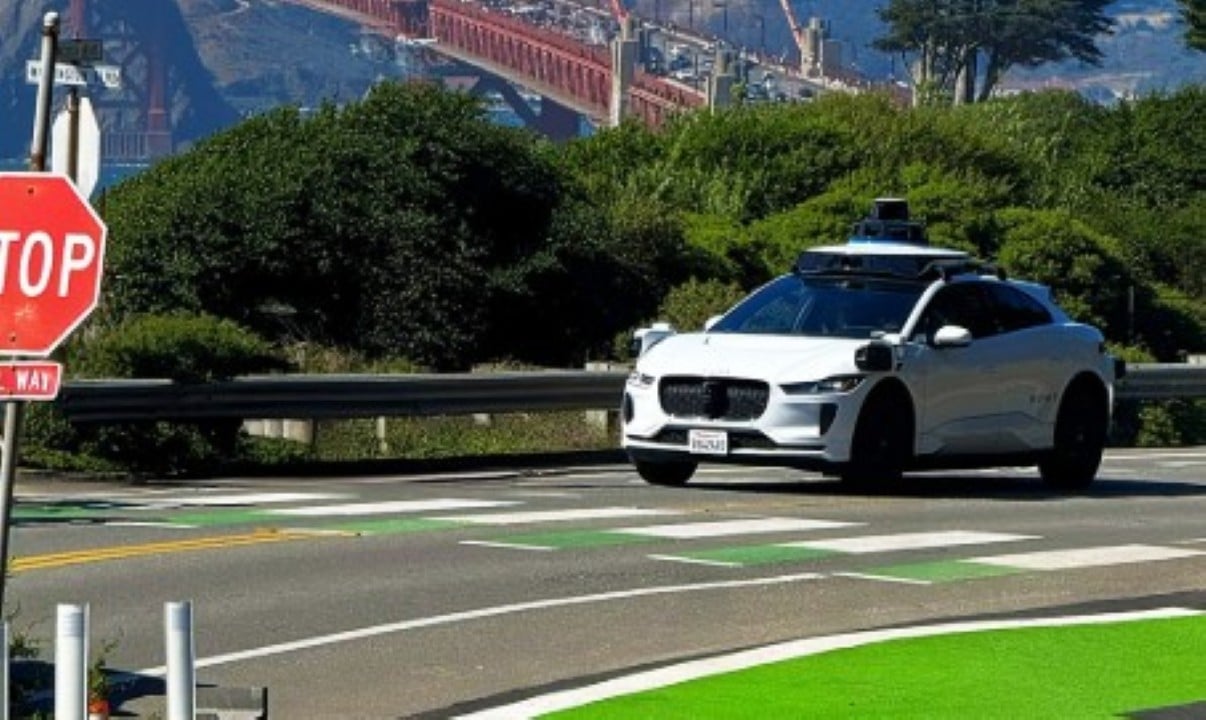
Waymo autonomous vehicles drive without a driver in Los Angeles, offering rides via app in selected urban areas. The service, operated by the Alphabet subsidiary, allows passengers to request rides in Jaguar I-Pace electric cars equipped with advanced sensors. A practical test of 1.6 km demonstrated fluid operation, with confident acceleration and respect for traffic rules.
The experience begins with the arrival of the vehicle, which displays the passenger’s name on the screen. The doors only unlock after confirmation in the app, and the driver’s seat remains empty.
During the journey, the car maintains adequate speeds, advances quickly at traffic lights and provides silence and comfort.
- The passenger adjusts music and air conditioning via the central screen.
- The route is followed in real time on the display.
- There is no direct human interaction during the trip.
How to request the race
The process follows the model of conventional transport apps. The user downloads the Waymo One, enters the origin and destination, and waits for the vehicle.
The fleet operates primarily in Phoenix, San Francisco, Los Angeles and Austin, with expansions planned to other US cities in 2026.
The cars have accumulated more than 161 million kilometers, with constant updates to improve performance.
In Los Angeles, vehicles are already part of the urban landscape, circulating with ease in well-structured neighborhoods.
Embedded technology
Robotaxis use LIDAR sensors, radars and cameras to map the environment in 360 degrees.
The system replaces human reflexes, allowing quick decisions at intersections and around obstacles.
Initially cautious, vehicles evolved into more assertive behaviors after billions of kilometers of data.
Cars record 90% fewer serious accidents compared to human drivers in areas of operation.
Sensations during the journey
The journey conveys a mixture of technological confidence and natural fluidity. The vehicle accelerates with determination, maintains electric silence and prioritizes comfort.
Passengers report no hesitation at green lights, with quick and safe progress.
On short routes, the cost may exceed traditional options, but fans value innovation.
Studies indicate that 70% of users prefer the service due to its technology and discretion, without the need for conversation.
Security advantages
The Waymo records a significant reduction in serious collisions. Vehicles avoid excessive risks, prioritizing compliance with regulations.
Over millions of kilometers, the system demonstrates lower incident rates with pedestrians and cyclists.
Remote updates improve behavior in complex urban scenarios.
The electric fleet contributes to sustainable mobility in dense cities.
Travel costs
Short runs in Los Angeles run about $30 for a mile. The service charges up to 41% more than competitors like Lyft on similar routes.
Variations occur at peak times, with differences of up to 11 dollars.
Despite the high prices, willing users pay extra for night or airport trips.
With scale, a gradual reduction in values is expected.
Traffic behavior
Cars adopt more confident postures in heavy traffic. Eles get around obstacles such as stopped trucks, maintaining flow without paralyzing roads.
Reports point to accelerations close to pedestrians and lane changes without signaling in some cases.
The system balances strict rules with urban practicality.
At intersections, they advance without hesitation when prioritized.
Service expansion
Waymo plans to include highways on routes from San Francisco, Los Angeles and Phoenix. Parcerias with Uber facilitate access to new cities such as Atlanta and Austin.
Testing is progressing at Miami, with commercial launch scheduled for 2026 in more locations.
The company develops smaller vehicles and partnerships for autonomous deliveries.
Adapted models such as the Hyundai Ioniq 5 are part of the next generation of the fleet.
Robotaxis represent an advance in American urban mobility. With a growing fleet, the service attracts tourists and residents in selected cities.
LIDAR technology and sensors ensure accurate navigation in varied environments.
Users highlight comfort when traveling without mandatory interaction.
The fully autonomous operation consolidates leadership in the driverless taxi sector.




