
Canary build leak reveals native control remapping in Android 17

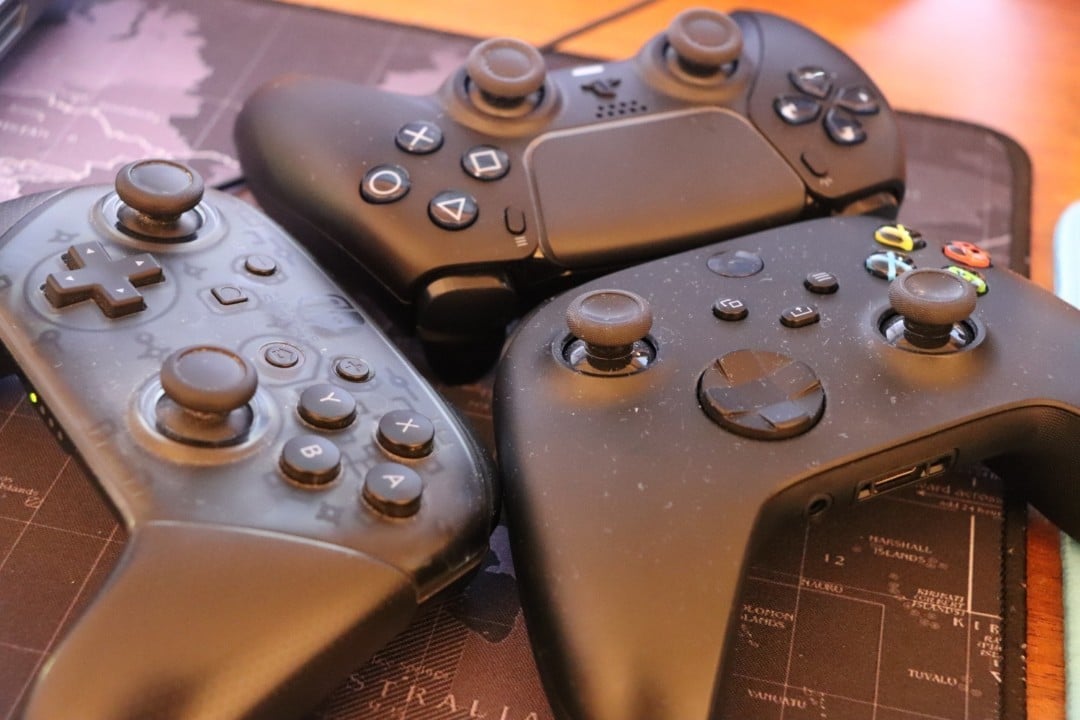
The Google develops a complete interface for remapping buttons on game controls, discovered in an experimental build of the Android Canary 2512. The functionality, identified on December 9, 2025, allows native adjustments on compatible Bluetooth devices, such as the PlayStation 5’s DualSense. smartphones and tablets.
Researchers activated the “Game Controller Settings” menu by forcing changes to the code, revealing basic configuration options. The feature divides inputs into categories such as keys and axes, applying changes directly to the operating system. Ainda In its initial phase, the tool requires refinements to support all controller models.
Discovered Interface Details
The settings section appears on the Bluetooth device details page when connecting a compatible gamepad. Atualmente, the menu lists generic buttons such as A, B, X, and Y, without reflecting manufacturer-specific labels.
Users tap an input to open a customization dialog, converting physical pressures into virtual codes recognized by apps. The Essa approach uses the Android input framework, which already supports controllers like the Xbox Wireless and DualSense natively.
- Keys include action buttons (A, B), shoulders (L1, R1) and click sticks (L3, R3);
- Axes cover digital directional pad (D-pad), left and right stick for analog movements.
The process applies remaps in real time, benefiting games without native controller support.
Technical functioning of remapping
Android translates controller inputs into standard events, such as KeyEvent for buttons and MotionEvent for movements. With the new system, users remap these events at the OS level, regardless of the app.
A permission called android.permission.CONTROLLER_REMAPPING, restricted to apps signed by the platform, guarantees centralized control. Isso prevents third-party interference and maintains device stability.
Current limitations of the tool
The leaked version does not recognize exclusive buttons, like those on the rear of the DualSense, limiting options in advanced accessories. Usuários cannot remap inputs just by pressing them, unlike dedicated apps like Octopus.
Tests with the DualSense show generic menus, without adaptation to PlayStation layouts. Essa standardization aims for broad compatibility but requires updates for accuracy.
Initial compatibility focuses on Bluetooth, with potential for USB-C in future iterations. Ausência support for rear paddles reduces appeal for competitive gamers.
The Google plans to expand into virtual gamepad, simulating controllers in touch-only games. Essa extension uses existing APIs, converting taps into physical inputs.
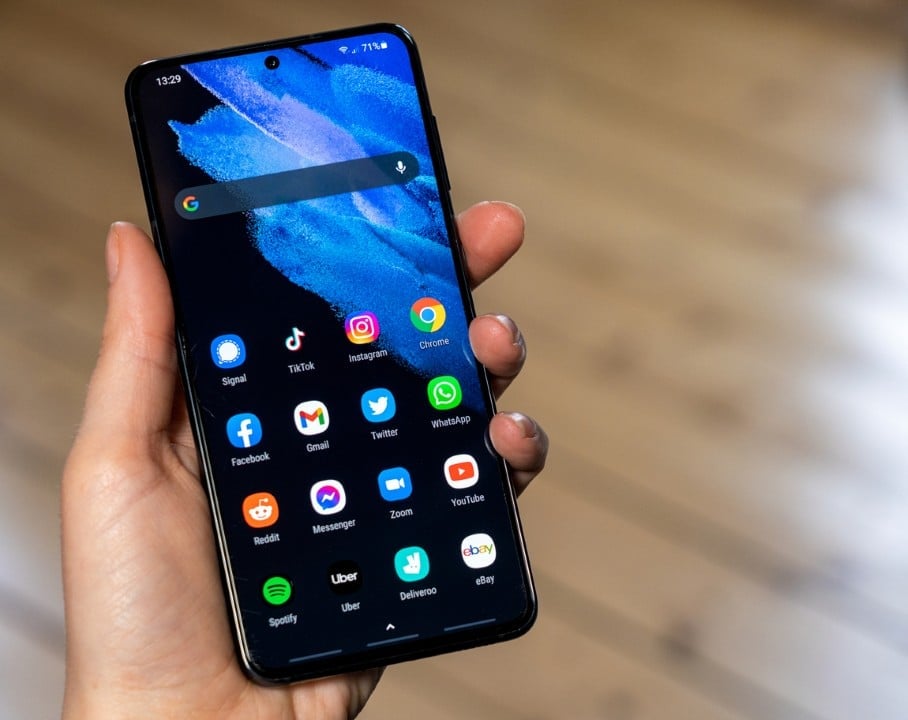
Context in the mobile gaming ecosystem
Android already supports more than 20 models of Bluetooth controllers since Android 12, but remapping depended on third-party apps. With this change, the OS takes on the central role, reducing latency in game sessions.
Advances expected for Android 17
The codename “Cinnamon Bun” was confirmed in the same build, signaling API level 37.
Developers gain APIs to integrate remaps, encouraging controller support in AAA titles. Isso aligns Android with platforms like PC and consoles, where customization is standard.
- Improvement in accessibility for users with motor disabilities;
- Support for emulators and cloud gaming, such as Xbox Cloud;
- Integration with large screens, preparing for PCs running Android.
Implications for developers and users
Gaming apps will need to adapt to new input APIs, ensuring compatibility with system remaps. Isso could increase the adoption of controllers in mobile titles, which will represent 52% of the global gaming market by 2025.
Users of Pixel devices will have priority access via OTA updates. Fabricantes like Samsung and Xiaomi plan custom layers, like HyperOS 4 with console mode.
The feature elevates mobile gaming, competing with iOS, which offers limited remapping via apps. Expectativa is a 30% reduction in complaints about controls on developer forums.
Preparation for testing future builds
The Canary channel, launched in July 2025, replaces developer previews, offering monthly updates. Build 2512 requires Pixel 6 or higher, with sideload installation.
Installers should back up data as experimental builds may contain bugs. Feedback via Google helps refine features before public Beta.
Expansion to accessories and integrations
Future updates may include support for USB-C controllers such as Razer Kishi, expanding options for portable sessions. Integração with Android XR, announced in December, allows remaps in smart glasses.
This positions Android as a versatile gaming hub, with over 3 billion active devices. Desenvolvedores of accessories, like Backbone, await final APIs for certification.



