Schumacher’s legacy in F1: the memorable duels against Senna, Hill and Alonso that redefined the sport


The history of Fórmula 1 was deeply marked by intense rivalries led by Michael Schumacher, the seven-time world champion. Seus clashes on the track were not just disputes for victories, but real clashes that shaped the narrative of the sport, transcending mere motorsport.
Between 1992 and 2006, the legendary German driver encountered formidable opponents such as Ayrton Senna, Damon Hill, Jacques Villeneuve, Mika Häkkinen and Fernando Alonso. Esses duels, taking place on emblematic circuits such as Spa, Jerez and Imola, were the scene of daring maneuvers, moments of pure genius and, at times, controversial episodes that defined entire eras of the category.

The rise of Schumacher, from its debut with Jordan in 1991 and its rapid consolidation into Benetton, coincided with the rise of already established figures in F1. Sua relentless competitiveness and aggressive style placed him at the center of memorable clashes, revealing the complexity of his personality, marked by both technical brilliance and controversial decisions.
These elements, combined with a highly competitive and technologically innovative scenario in the 90s, set the stage for clashes that have remained eternal in the memory of fans and experts in world motorsport.
The initial challenge: the first steps and the rivalry with Senna
Michael Schumacher’s first major rivalry began to take shape with Ayrton Senna, the Brazilian icon who already dominated Fórmula 1 in the early 1990s. In 1992, while Schumacher began to establish itself in Benetton, Senna had already accumulated three world titles with McLaren. The two drivers faced each other in emblematic races such as the Grande Prêmio of the Brasil and the Grande Prêmio of the França, where the young German demonstrated remarkable boldness in challenging the experienced Brazilian. Apesar from The clash, although brief, was intense, and Senna, known for his combative stance, even publicly criticized some of Schumacher’s actions, such as an aggressive maneuver in the 1992 França GP, which sparked debate about the limits of riding.
The 1994 controversy: the decisive clash with Damon Hill
After Ayrton Senna’s tragic loss in 1994, Damon Hill emerged as Schumacher’s main opponent in the title fight. Correndo for Williams, Hill challenged the German for Benetton in a season that culminated in one of the most controversial moments in the history of
During the race, an error by Schumacher resulted in damage to his car, and he then collided with Hill in a maneuver that many considered intentional. The incident knocked both drivers out of the race, securing the first world title for Schumacher, but generating a wave of criticism and heated debate.
Hill, recognized for his ethical and clean driving style, accused his rival of disloyalty, and the tension between the two continued into the 1995 season. Although Embora Hill won important races that year, Schumacher again became champion, winning his second title. The rivalry between them, marked by contrasts in personality and driving styles, highlighted the German’s relentless competitiveness and his willingness to go beyond limits in search of victory.
The incident of Jerez: Villeneuve and the FIA punishment
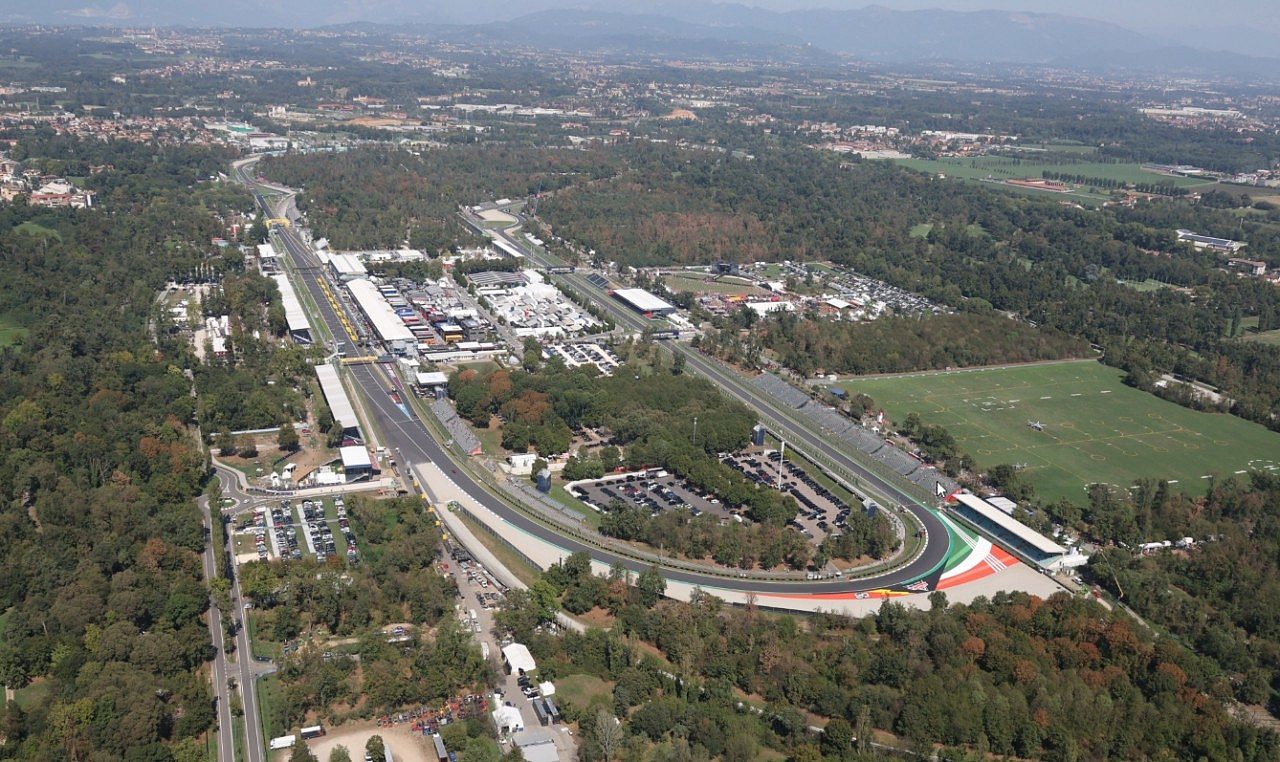
In 1997, Michael Schumacher, already consolidated in Ferrari, faced Jacques Villeneuve, from Williams, in a rivalry that climaxed in another controversial moment. Durante o Grande Prêmio da Europa, held on the circuit of
Schumacher, who was leading the race and the championship, tried to block Villeneuve with an abrupt and controversial maneuver. However, the Canadian managed to resist the touch, continued the race, completed the race and, consequently, won the world championship that year.
Federação Internacional of Automobilismo (FIA) investigated the incident and considered Schumacher’s action deliberate, resulting in his disqualification from the 1997 championship. Villeneuve, with his bold and fearless style, represented a direct challenge to German hegemony, and the episode of Jerez exposed the most controversial side of Schumacher, but also his unshakable determination to win at any cost.
Mika Häkkinen: the technical rivalry that elevated the sport
With the arrival of Michael Schumacher to Ferrari in 1996, Fórmula 1 saw the flowering of its intense rivalry with McLaren’s Mika Häkkinen. Entre In the years 1998 and 2000, the two drivers fought memorable duels, which became motorsport classics. One of the most iconic moments of this dispute occurred at Grande Prêmio of Bélgica in 2000, where Häkkinen performed a historic overtake over Schumacher, considered a technical milestone for its precision and daring.
Unlike other clashes in the German’s career, this rivalry was notable for the mutual respect between the competitors. Häkkinen, with his precise and calculating driving, challenged Schumacher on equal terms, since both McLaren and Ferrari had extremely competitive cars. The disputes between them significantly raised the technical level of the Fórmula 1, with both pilots exploring sophisticated strategies and getting the most out of their equipment. Although Embora Schumacher won the 2000 title, consolidating his dominance, he often recognized Häkkinen as a worthy opponent who pushed him to strive for perfection.
The rise of Fernando Alonso and the generational transition
In the early 2000s, a new talent emerged to challenge the hegemony of Michael Schumacher: Fernando Alonso, driving for the Renault team. In 2005, the young Spaniard managed to break Ferrari and Schumacher’s impressive streak of five consecutive titles, winning the world championship with a series of consistent victories and remarkable performances, marking a turning point in the category.
The 2006 season saw a repeat of the feat, with Alonso once again overcoming Schumacher in a fierce duel full of high-tension moments. The Grande Prêmio of San Marino in 2005 is a clear example of the intensity of this rivalry, where Schumacher pressured Alonso for several laps, showing all his experience, but without being able to make the decisive overtake.
This contest symbolized the passing of the baton to a new generation of drivers, with Fernando Alonso firmly establishing himself as the future of Fórmula 1. Apesar from defeat in the final championships of his first career phase, Schumacher demonstrated resilience and an impressive ability to compete at a high level against a younger, rising opponent, further cementing his reputation as a tireless and legendary competitor.
Secondary duels: Coulthard, Barrichello and team dynamics
In addition to the big names that marked their title fights, Michael Schumacher also had significant clashes with other drivers, which, although less prominent, revealed important aspects of their competitiveness. David Coulthard, from McLaren, was involved in a notorious incident in Grande Prêmio of Bélgica in 1998, when the two collided in heavy rain, generating a heated and tense argument in the pits, which became one of the most remembered moments of that year.
Rubens Barrichello, teammate of whole, raising questions about sporting ethics.
These episodes, even if they were not decisive for championships, revealed the profound impact of Schumacher on the competitive environment of F1. Sua’s dominating presence influenced not only team dynamics, but also their opponents’ racing strategies and the public’s perception of fairness on the tracks, creating indirect rivalries and unforgettable moments.
The lasting legacy of the Schumacher disputes
The rivalries of Michael Schumacher continue to inspire drivers and motorsport fans around the world. Corridas like the Grande Prêmio of the 2000 Bélgica or the Grande Prêmio of the 2005 San Marino are frequently revisited in documentaries, analyzes and motorsport forums, keeping alive the memory of a driver who transformed the Fórmula 1.
Each opponent brought a unique challenge, which tested different facets of his riding and personality. Senna tested your courage and daring, Hill your ethics and limits, Villeneuve your discipline and resilience, Häkkinen your technical precision and Alonso your ability to adapt to changing generations. Essas rivalries shaped the narrative of Schumacher as a complete pilot, a genius capable of facing any obstacle and raising the level of the sport to unprecedented heights.
The impact of Schumacher goes far beyond the numbers of his seven world titles. Suas disputes have shown that there is more to Fórmula 1 than pure speed; It is a stage for strong personalities, complex strategies and dramatic moments that define eras. Suas rivalries are an indisputable testament to his lasting influence and his status as one of the greatest icons in the history of motorsport.