
Sony Xperia 1 VIII appears in rumor with 200 MP Exmor T sensor and Snapdragon 8 Elite Gen 5

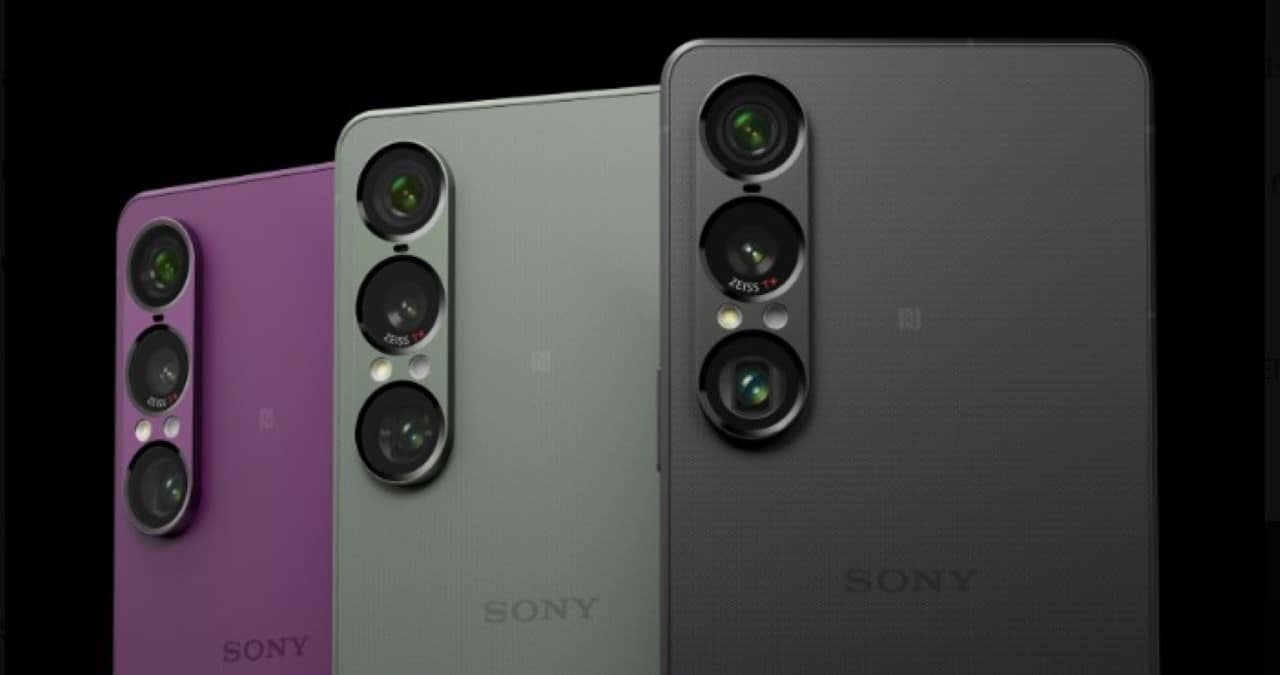
Sony is preparing to launch the Xperia 1 VIII, its next flagship smartphone, with a 200-megapixel main camera based on proprietary Exmor T technology, according to recently released rumors. The device must equip the Qualcomm Snapdragon 8 Elite Gen 5 processor, promising high performance in daily tasks and image processing. The information circulates among experts in mobile technology and points to a different strategy from the Japanese manufacturer in the photographic sector.
Unlike the predecessor Xperia 1 VII, which uses a 48-megapixel Exmor T sensor, the new model represents a significant leap in resolution. Analistas highlight that this choice reinforces Sony’s commitment to internal innovations, avoiding components sold to competitors. The device should hit the market in May 2026, following the traditional calendar of the Xperia line.
Differentiated photographic strategy
The decision to use the Exmor T line instead of the LYTIA 901 reflects an approach focused on stacked architecture, which improves light capture and reduces noise in varied conditions. Esse sensor allows pixel binning for 50 MP or 12.5 MP outputs, optimizing use in different photography scenarios.
Experts note that Sony prioritizes the development of exclusive modules for its devices, which can increase the quality of professional videos and photos. Integration with Snapdragon 8 Elite Gen 5 should accelerate real-time image processing, benefiting content creation users.
When will Sony Xperia 1 VIII come out?
— ADOA SONY (@ADOASONY)December 2, 2025
Sony Xperia 1 Lineup Track Record
• Sony Xperia 1 I
Unveiled: 25 Feb 2019
Released: 30 May 2019
• Sony Xperia 1 II
Unveiled: 24 Feb 2020
Released: 22 May 2020
• Sony Xperia 1 III
Unveiled: 14 Apr 2021
Released: 25 Aug 2021
• Sony…pic.twitter.com/AlqzBRewME
Processor specifications and performance
The Snapdragon 8 Elite Gen 5 emerges as the heart of the Xperia 1 VIII, with advances in energy efficiency and AI support for battery optimization. Esse chip, already tested in prototypes of other flagships, offers higher clocks and improved thermal management, ideal for extended recording sessions.
Rumors indicate that the mid-range Xperia 10 VIII model will adopt a mid-range Snapdragon variant, maintaining affordability without sacrificing advanced 5G connectivity. Testes Preliminaries suggest gains of up to 30% in multitasking compared to the previous generation.
The OLED HDR screen should maintain 21:9 aspect ratios, a favorite among movie fans, with 4K resolution and a 120Hz refresh rate for fluid gaming and streaming.
Main camera details
The 200 MP Exmor T sensor incorporates dual-layer technology for better low-light performance, capturing fine details without the need for excessive flash. Essa configuration supports recording in 8K at 30 fps and 4K at 120 fps, expanding options for professional videographers.
- 200MP native resolution with 0.7μm pixels for up to 4x in-sensor zoom.
- HDR support of over 100 dB, combining short and long exposures in a single frame.
- 4×4 binning for high-speed 12.5 MP photos, reaching 60 fps in bursts.
- Full pixel autofocus integration, ensuring precise focus during fast movements.
These features position the Xperia 1 VIII as a versatile tool for amateur and expert photographers, with an emphasis on onboard processing.
Telephoto camera updates
The telephoto camera abandons the current model’s 12 MP sensor for a 200 MP unit with dual-layer technology, allowing improved optical zoom without significant losses. Essa change increases the capture capacity at greater distances, such as sporting events or urban landscapes.
Developers highlight that the dual-layer reduces distortions in digital enlargements, combining with the main sensor for cohesive ensembles. Initial Testes indicate improvements in stabilization, supporting 4K handheld recordings without visible jitter.
The ultrawide maintains 12 MP with adjustments for wider angles, while the front should rise to 32 MP, favoring high definition selfies.
Comparison with competing sensors
The LYTIA 901, recently announced by Sony, measures 1/1.12 inches and offers superior dynamic range, but is reserved for rivals such as the Oppo Find X9 Ultra and Vivo X300 Ultra. Essa unit supports 200 MP native with AI remosaicing for detail in zoom, differing from the Exmor T approach focused on stacking for speed.
Manufacturers like Samsung use 200 MP sensors in Galaxy lines, but with an emphasis on binning to save storage. The Sony, in turn, balances resolution and quality in post-processing, avoiding overload on input chips.
Rumors suggest that the Exmor T may incorporate elements from LYTIA in future iterations, but for now it prioritizes exclusivity for the Xperia line.
Line Xperia and launch schedule
The Xperia 1 VIII must maintain a minimalist design with aluminum sides and IP68 protection against water and dust. The 5,000 mAh battery supports 15 W wireless charging, in line with the industry standard.
For the Xperia 10 VIII, a 6.1-inch screen is expected and a focus on audio with a preserved 3.5 mm jack. Ambos models target global markets, with initial availability on Ásia and Europa.
Analysts predict prices starting at US$1,200 for the flagship, reflecting hardware upgrades. Sony is expected to reveal more details in spring 2026 events.
The strategy reinforces Sony’s position in professional niches, such as photography and video, without competing directly in terms of sales volume. Atualizações of software promises five years of support for Android, extending the useful life of the devices.



