
DJ Alok’s plane took off with overweight and crew failures in 2018, final investigation shows


Centro of Investigação and Prevenção of Acidentes Aeronáuticos (Cenipa) released the final report on the incident involving the aircraft carrying DJ
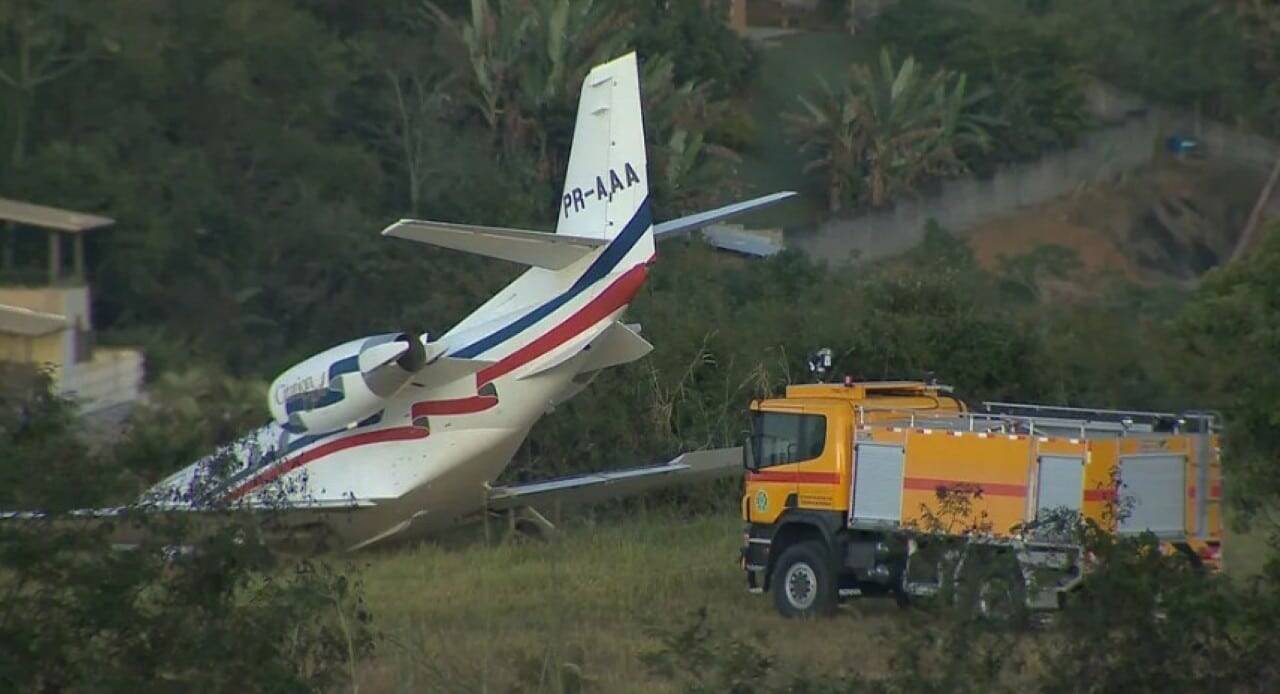
The aircraft Cessna 560XL, registration PR-AAA, left the runway during the takeoff attempt, but none of the nine people on board were injured.
The document, released by Comando of Aeronáutica on November 25, 2025, identifies the main causes as excess weight of 175 kg above the maximum takeoff limit and failures in flight planning.
- The aircraft weighed approximately 9,247 kg, against the maximum allowed by the manufacturer of 9,072 kg.
- Three extra passengers boarded without prior updates to the crew systems.
- The “NO TAKEOFF” alert came on twice, but was initially disregarded.
The flight was heading to Belém, at Pará, after the artist’s show at Juiz of Fora.
Aircraft and flight details
Model Cessna 560XL operated under ownership related to DJ Alok.
Two pilots commanded the aircraft, with seven passengers in total.
Initially planned for four passengers, the boarding of three more was not communicated to the crew in advance.
This change did not make it into the flight management system, leading pilots to proceed with outdated data.
The runway from Aeroporto to Serrinha is 1,535 meters long.
During the takeoff run, the plane exceeded the limits and stopped on a nearby bank.
Alerts ignored during the procedure
The “NO TAKEOFF” warning indicates an inadequate configuration for safe takeoff.
This alert activated twice in the initial phase of acceleration.
The day before the incident, the same sign had appeared, with no serious consequences identified.
The pilots interpreted the repeated activation as a possible minor failure, such as poor contact.
This perception contributed to the continuity of the procedure.
The decision to abort came only close to the rotation speed, at high speed.
With insufficient braking space, the aircraft left the runway.
Faults identified in the operation
The investigation highlighted communication problems between operator and crew.
There were no updates to weight and balance data following last-minute changes.
There was a lack of clear procedures for coordination in the cabin during emergencies.
The crew did not recalculate the takeoff performance with the actual weight.
A small fire broke out in nearby vegetation after the aircraft stopped.
Damage was limited to the forward fuselage and landing gear.
No one required medical attention after the incident.
Boarding context and planning
The flight took place after the DJ performed at a local event.
Originally, planning considered another airport in the region, with a longer runway.
The transfer to Serrinha took place due to an operational decision.
Three additional passengers arrived after initial systems configuration.
This surprise affected the crew’s attention to operational limits.
The report classifies the case as an aborted takeoff runway excursion.
Cenipa investigations aim to prevent similar occurrences through recommendations.
Circumstances of the aborted takeoff
Acceleration continued despite visual alerts on the dashboard.
The pilots maintained the procedure until approaching critical speed.
By aborting late, there was not enough runway left for a safe stop.
The aircraft reached a forested area at the end of the opposite threshold.
After the incident, the team opted for land travel, canceling air commitments.
The show scheduled on Belém did not take place as scheduled.
The case gained immediate repercussions on social media at the time.
Highlighted Contributing Factors
Operational complacency emerged after a previous warning without serious effects.
Frequent changes in night flight planning influenced decisions.
Lack of detailed briefing for emergency tasks in the cabin.
Expectations of a freelance pilot being permanently hired may have reduced assertiveness.
Excess weight compromised the expected takeoff performance.
Manufacturer’s limits were not respected due to non-updated data.
The incident reinforces the need for strict coordination in executive air operations.



