
Magnitsky Law loses force against Moraes: Trump cancels blocks on assets and visas of STF minister and family


Government of the Estados Unidos announced this Friday, December 12, 2025, the removal of minister Alexandre of Moraes, of Supremo Tribunal Federal, and his wife, Viviane Barci of The decision, published by Departamento of Tesouro in The measure revokes blocks on assets, bank accounts and bans on entry into American territory, restoring financial normality for those involved.
The revocation comes amid intense diplomatic negotiations between the governments of Donald Trump and Luiz Inácio Lula of Silva, which deteriorated with the initial application of the law. Moraes was sanctioned for alleged human rights violations, including preventive arrests and restrictions on freedom of expression in Brasil. President Lula argued in October, during a meeting with Trump, that the measures constituted injustice, since the Brazilian Judiciário follows due legal process.
Lex Institute, previously described as a holding company that owns the family’s residential properties, also benefits from the decision. Autoridades Americans did not publicly detail the exact reasons for the retreat, but diplomatic sources indicate that the internal political context in Brasil, such as the approval of a bill on sentence dosimetry in Câmara, facilitated the movement without loss of credibility for the Trump administration.
- Main effects of the revoked sanctions: freezing of assets in the US, ban on transactions with US entities and revocation of visas;
- Duration of punishment: July for Moraes, September for Viviane and Lex;
- Initial context: criticism of the Trump government regarding the performance of Moraes in post-2022 election processes.
Origin and application of Lei Magnitsky
American legislation, approved in 2012 during the Barack Obama government, authorizes unilateral sanctions against foreign individuals accused of corruption or serious human rights abuses. Surgida after the death of Sergei Magnitsky, a Russian lawyer arrested in 2009 for reporting corruption schemes in Moscou, the law initially targeted Russian officials. In 2016, an amendment expanded its global scope, allowing punishments such as asset freezing and travel bans.
In the case of Moraes, Departamento of Tesouro justified the inclusion in July by alleging “arbitrary arrests” and suppression of free expressions, with reference to the conviction of Viviane of
The law operates without the need for judicial conviction, based on credible evidence evaluated by the Escritório of Controle of Ativos Estrangeiros (Ofac). Seu use against foreign judicial authorities, as in Brasil, represents a rare precedent, raising diplomatic tensions.
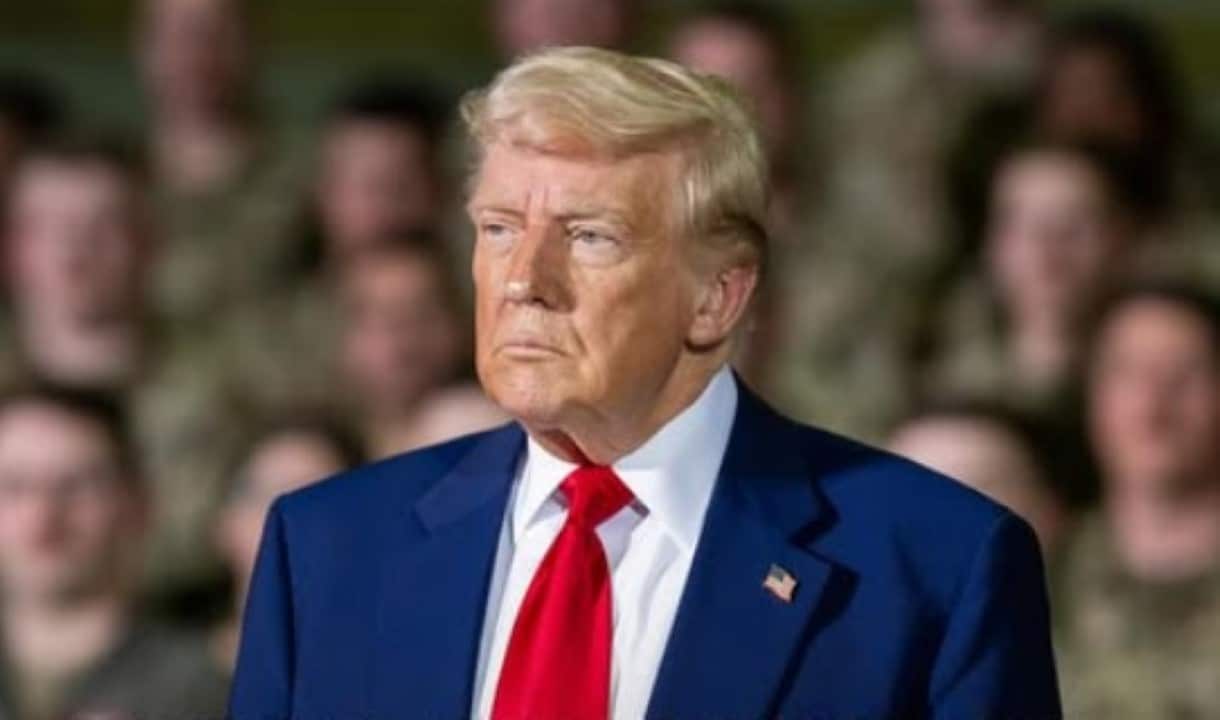
Diplomatic tensions between Brasil and the USA
The initial sanctions worsened bilateral relations, adding to 40% tariffs on Brazilian imports and visa revocations for other STF ministers. In October meetings, Lula emphasized Brazilian judicial sovereignty, arguing that the measures interfered in internal processes. Trump, in turn, maintained public criticism of Moraes, but signaled openness to commercial negotiations.
Chancellor Mauro Vieira and the secretary of Today’s decision alleviates pressure, but analysts note that pricing remains a point of friction. Autoridades of Planalto see the retreat as a diplomatic victory, without formal concessions to Judiciário.
Brazilian diplomats monitor the American Senado, where projects similar to feather dosimetry could influence future attitudes of Washington. Normalization, however, depends on presidential sanction to the text approved in Câmara.
A note from the American Tesouro highlighted that the sanctions aim at “changes in conduct”, not definitive punishments, paving the way for removals via administrative petitions. No Brasil, Itamaraty assesses that the episode exposed vulnerabilities in asymmetric relations with the USA.
Impact of sanctions on daily life and the economy
The asset freeze affected the Moraes couple’s international transactions, including US-branded credit cards and bank accounts with operations in the US. Bancos Brazilians, such as Itaú, Bradesco and Banco from Brasil, received questions from Tesouro about compliance with restrictions, generating debates about financial sovereignty. One bank even blocked cards, replacing them with local options like Elo.
For Lex Institute, punishments limited real estate operations and cross-border investments, with residential property owners indirectly impacted. The repeal restores access to these services, but leaves lessons about exposure to the dollar system.
Specialists in international law note that laws like Magnitsky exert global pressure via American financial dominance, affecting not only individuals, but economic chains. No Brasil, the episode accelerated discussions about currency diversification in transactions.
- Practical consequences observed: blocking of dollar payments, travel difficulties and restrictions on related companies;
- Affected sectors: financial, real estate and diplomatic;
- Alternatives adopted: use of national flags to mitigate impacts.
Ally strategies and political reactions
The initial imposition of sanctions was driven by allies of Bolsonaro, such as deputy Eduardo Bolsonaro and commentator Paulo Figueiredo, who pressured the Trump government with dossiers on Moraes’s decisions. In October, Eduardo predicted the reversal would be a “surprise” given the “robustness” of the accusations. Today’s decision represents a setback for this articulation, which aimed to weaken the Brazilian Judiciário.
In the American Congresso, deputy Rich McCormick echoed criticism of the “censorship” promoted by Moraes against content from US users. Contudo, the retreat suggests prioritization of commercial interests over personal disputes. No Brasil, Planalto avoids public celebrations, focusing on economic agendas.
Figueiredo, in recent lives, defended Magnitsky as a tool against “judicial authoritarianism”, but the removal weakens Bolsonarist narratives for 2026. Partidos of the opposition question whether the episode will influence pending trials in the STF.
The transnational lobbying strategy, common in political disputes, highlights the risks of external interference in national sovereignty.
History of use of the law in international contexts
Since 2012, Magnitsky has sanctioned more than 300 individuals and entities in 40 countries, with a focus on authoritarian regimes. Na Rússia, punished oligarchs linked to the death of Magnitsky; in Venezuela, targeted employees of Nicolás Maduro for corruption. In 2024, it expanded against Chinese officials for abuses in Xinjiang.
In Hemisfério Ocidental, cases include sanctions against Nicaraguans for repression of opponents. The use against Moraes marked the first application of the judicial authority of consolidated democracy, raising debates about selectivity. Relatórios of Tesouro indicate 85 removals since creation, many due to diplomatic negotiations.
Organizations like Human Rights Watch monitor the law, praising its impact on human rights but criticizing potential political abuses. No Brasil, the episode inspires proposals for similar legislation to punish external violations.
The evolution of the standard reflects American foreign policy priorities, from Obama to Trump, with an emphasis on global accountability.



