
Sergio Miceli, sociologist at USP who pioneered Brazilian cultural analysis, dies aged 80 in São Paulo

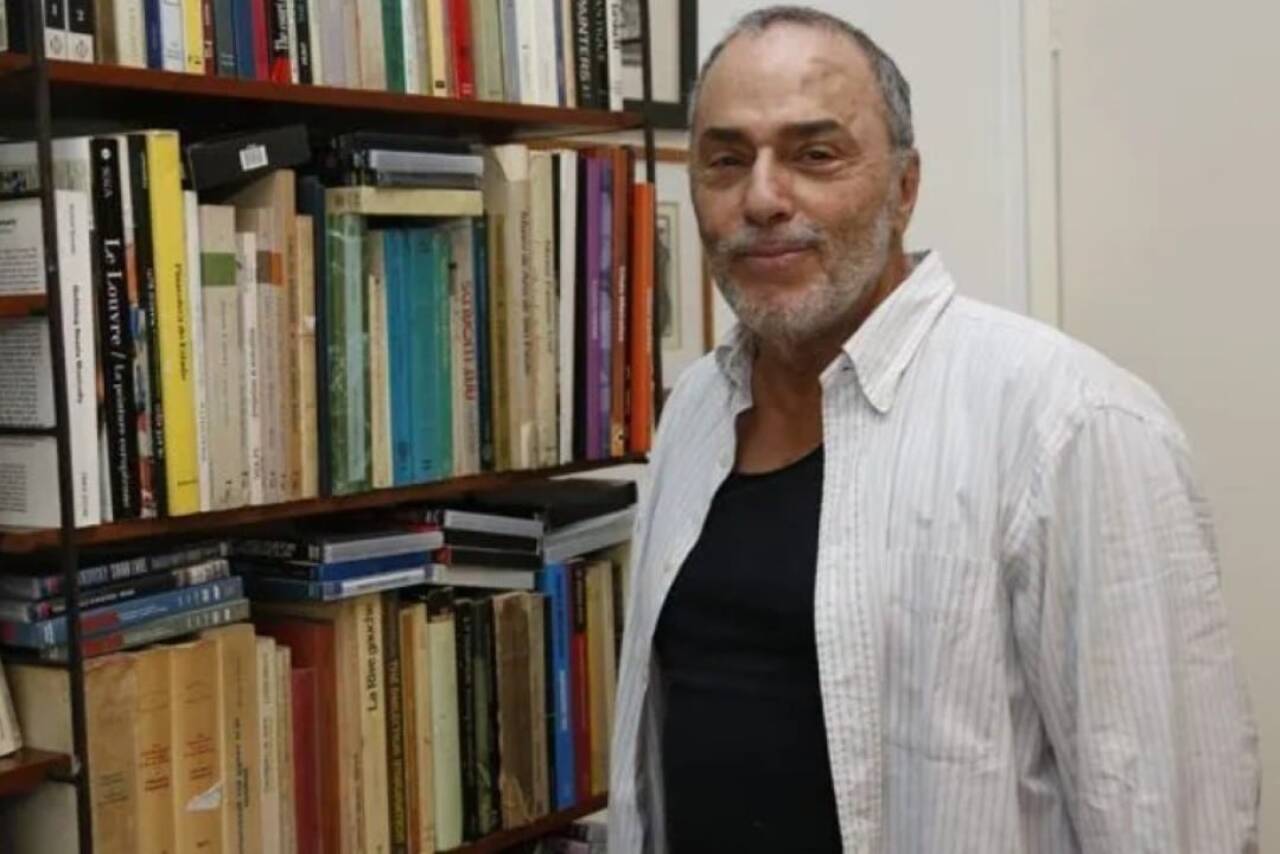
Sociologist Sergio Miceli Pessôa of Barros passed away this Friday, December 12, 2025, in São Paulo, aged 80. Professor holder of Departamento of Sociologia of Faculdade of Filosofia, 2022. Sua death occurred in the capital of São Paulo, but the cause was not immediately disclosed by the institution.
Miceli trained generations of researchers in social sciences over more than four decades of academic career. USP’s Reitoria issued an official statement lamenting the loss and declaring three days of mourning at the university. The academic was a full member of Academia Brasileira of Ciências (ABC) and left fundamental contributions to the debate on relations between culture, power and elites in Brasil.
His career included stints at Fundação Getulio Vargas (FGV) and Universidade Estadual de Campinas (Unicamp), where he taught and coordinated research projects. Formado in Ciências Políticas and Sociais from Pontifícia Universidade Católica from Rio from (EHESS), in Paris.
Academic training and first contributions
Sergio Miceli’s career began in the 1960s, with a degree from PUC-Rio focused on social sciences. Ele moved to São Paulo in 1968 for his master’s degree at USP, where he defended the dissertation “A Noite da
In his doctorate, co-supervised by Rodrigues and the French sociologist Pierre Bourdieu, Miceli analyzed Brazilian intellectuals from the first half of the 20th century. authors.
His double degree in 1978 marked the beginning of an intellectual partnership with Bourdieu, whose ideas he helped disseminate at Brasil. Miceli organized one of the French’s first collections, “A Economia das Trocas Simbólicas”, published in the 1970s, which strengthened the sociology of culture at USP.
During the 1970s and 1980s, he explored themes of power, sex and letters in República Velha, in works such as “Power, Sexo and Letras in República Velha: Estudo Clínico dos Anatolianos” (1977). Esses works have introduced innovative approaches to understanding symbolic production in political contexts.
Legacy in the sociology of culture
Miceli has published and organized more than 40 books, focusing on intellectual elites, cultural institutions and symbolic production. Sua work “A Elite Eclesiástica Brasileira” (1988) analyzed religious structures through a sociological lens, highlighting internal power dynamics.
In “Images Negociadas: The book “History Social of the Intelectuais in
Academic partnerships marked his production, such as “Culture and Sociedade: Brasil and Argentina” (2014), organized with the anthropologist Heloisa Pontes, his wife. Essa work compared cultural experiences between the two countries, revealing similarities in modernist avant-gardes.
More recently, “Vanguardas em Retrocesso” (2012) and “Sonhos da Periferia” (2018) challenged traditional interpretations about Argentine artistic elites, with analyzes focusing on Esses titles received wide reception at América Latina.
- Main works by Miceli:
- Intellectuals and Classe Dirigente in Brasil (1979)
- A Elite Eclesiástica Brasileira (1988)
- Images Negociadas (1996)
- Story Social of Intelectuais in América Latina (2008)
- Culture and Sociedade: Brasil and Argentina (2014)
Work in university publishing
Since March 2022, Miceli has led Edusp, a position he also held between 1994 and 1999.
Under his management, Edusp prioritized collections that circulated knowledge relevant to the humanities. Miceli coordinated projects such as the “History of Ciências Sociais in Brasil” (1989-1995), in two volumes, bringing together researchers such as Lilia Moritz Schwarcz and
He was part of the Programa of Pós-Graduation in Sociologia of USP and the Núcleo of Sociologia of Cultura. In 2005, he received the Ordem Nacional of the Mérito Científico in the class of Comendador. In 2012, he won an award from Capes for supervision of a doctoral thesis.
His vision emphasized the intellectual risk of university presses. In recent statements, he argued that these institutions guarantee the diversity of academic voices. Editora Unicamp issued a note of condolence, highlighting its impact on the Brazilian edition.
Miceli also served in foreign missions and at Maison des Sciences de l’Homme, in Paris, occupying the Cátedra Sergio Buarque of Holanda in 2004.
Reactions from the academic community
The news of his death generated messages of solidarity in institutions such as ABC and USP. Reitoria expressed support for the family, friends and colleagues of FFLCH and Edusp, calling the loss irreparable for Brazilian science.
The portal Todavia regretted the departure of a dedicated intellectual, teacher and editor. Pesquisadores highlighted its role in shaping debates on Latin American social thought.
Students and alumni shared memories of his classes, which combined analytical rigor with discussions about Bourdieu and modernism. Sociedade Brasileira of Sociologia recognized his dedication to the field since the 1960s.
Influence of Pierre Bourdieu on Brasil
Miceli contacted Bourdieu during her master’s degree, which led to the organization of “A Economia das Trocas Simbólicas”. Essa collection, one of the author’s first global collections, introduced concepts such as habitus, cultural capital and countryside in the Brazilian context.
He applied these tools to studies on intellectuals and art, as in “Nacional Estrangeiro: História Social e Cultural do Modernismo Artístico em The book analyzed São Paulo modernism from the perspective of symbolic exchanges.
In “The Força of Sentido”, Miceli connected ideas from Bourdieu to Durkheim, Essa work serves as an introduction to French thinking for sociology students.
Its diffusion of Bourdieu occurred at a time of Marxist predominance at USP, which innovated the field. Miceli strengthened the sociology of art, a previously marginalized area, with analyzes of avant-gardes and creative elites.
The impact extended to thematic projects, such as the one financed by Fapesp between 2001 and 2013, on the intellectual field and cultural industry in contemporary Brasil.
Cultural comparisons in América Latina
Miceli has explored parallels between Brasil and Argentina in several publications. In “Vanguardas em Retrocesso”, he questioned linear narratives about modernism, focusing on setbacks in literary elites.
The book “Dreams of Periferia” (2018) examined Argentine modernism, centered on Borges, as a cultural periphery in relation to European centers. Essa perspective sparked debates in Latin American universities.
In collaboration with Universidade of Quilmes, at Argentina he adopted methods of intellectual history to compare national sociologies. Florestan Fernandes and Gino Germani were analyzed as transitional figures between essayism and social science.
These studies revealed patterns of professionalization in social sciences, influenced by foreign missions in the 1920s and 1930s.
His comparative approach expanded the understanding of regional symbolic productions, integrating sociology of culture with historical analyses.



