
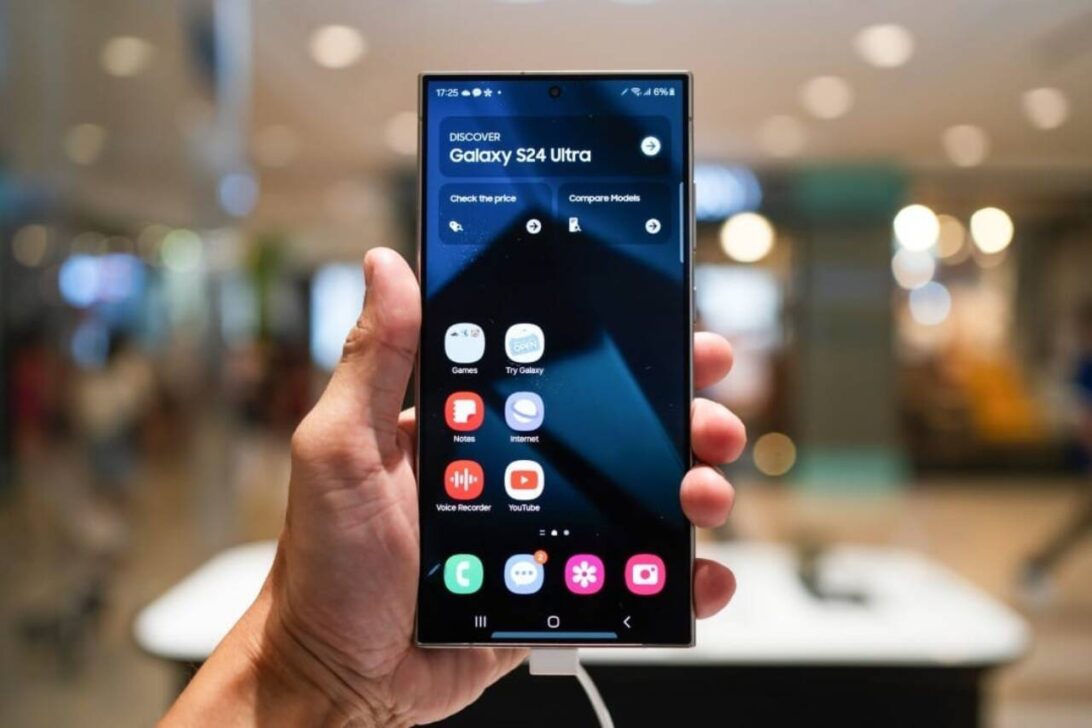
Samsung projects a significant expansion of its generative artificial intelligence, with the goal of integrating the technology into more than 100 million devices worldwide by the year 2025. The South Korean company anticipates that this vast expansion of AI capabilities on board its products will fundamentally transform people’s interaction with technology, seeking to create an intelligent and interconnected ecosystem, where devices learn and adapt to the individual needs of each user in a proactive and intuitive way.
The integration of generative AI promises to redefine everyday interactions with technology, enabling devices to not only respond to commands, but also anticipate demands and offer creative solutions. Essa’s ability to customize and optimize is a central pillar of Samsung’s strategy for the coming years.
This strategic move positions Samsung at the forefront of the technology race, with a robust focus on diverse product segments, including:
Strategy Galaxy AI drives innovation
Samsung has outlined a robust strategy for its Galaxy AI ecosystem, focused on enhancing its devices’ ability to process data and learn in real time, directly on the device. Essa “AI on-device” approach minimizes dependence on the cloud, ensuring greater privacy, security and speed in the execution of intelligent functionalities. The company invests significantly in research and development to refine its language models and neural processing capabilities.
The vision for 2025 includes the availability of a wide range of AI tools that will be accessible across different product segments, democratizing access to technologies that were previously exclusive to premium models. The goal is for artificial intelligence to become an intrinsic and imperceptible component, improving users’ lives without requiring complex configurations or additional interactions, but rather effectively anticipating their needs.
New features and improvements planned
New generative artificial intelligence features are scheduled to be introduced in the next releases of Samsung in 2025, promising to increase users’ productivity and creativity. Entre expected innovations include advanced editing of photos and videos with intelligent suggestions, improvements in simultaneous language translation in calls and messages, and more contextualized virtual assistants, capable of understanding and processing information in a more sophisticated way.
These features aim to differentiate Samsung products in the market by offering experiences that go beyond what is currently standard. The ability to generate original content and dynamically optimize texts are key points that the company is investing in to captivate and retain its consumer base.
Dynamically customizing user interfaces is another crucial aspect, expanding the usefulness and perceived value of devices. Samsung seeks to create an experience that adapts to each individual’s lifestyle, making technology more intuitive.
Market opportunities and consumer expectations
Market analysts predict that Samsung’s intense commitment to generative artificial intelligence will drive a new cycle of innovations and an increase in demand for smart devices in 2025. The deep integration of AI can redefine consumers’ expectations, who will increasingly seek devices capable of offering personalized and efficient solutions for their daily and professional routines.
The expectation is that the adoption of these technologies by Samsung will stimulate competition, leading other companies to accelerate their own AI developments. Isso could result in a more dynamic market full of options for consumers, with artificial intelligence becoming a decisive factor in the choice of new electronic equipment, directly influencing purchasing decisions.
In addition to the impact on hardware sales, Samsung’s AI strategy can open new revenue fronts through premium services and subscriptions associated with advanced artificial intelligence functionalities. Isso diversifies the company’s business model and strengthens its ecosystem.
Creating an ongoing source of value for users through unique AI services and capabilities is a strategic objective that aims to increase customer loyalty and ensure long-term sustainable growth.
Collaborations and focus on technological development
Samsung has strengthened its strategic partnerships with technology sector leaders and research institutions to accelerate the development of its artificial intelligence capabilities. Essas collaborations are key to integrating the latest innovations in hardware and software, ensuring your devices are always at the forefront of technology, incorporating the latest advancements in the field.
Internally, the company maintains research and development centers dedicated exclusively to AI, with teams focused on algorithms, natural language processing and computer vision. Esse continuous investment in talent and infrastructure is essential for creating proprietary solutions and maintaining the company’s technological leadership on the global stage.
Privacy and challenges of implementing AI
Data privacy and security are top priorities in the development of Samsung’s AI solutions. The company implements strict protection protocols to ensure that user information is processed ethically and securely, maintaining the trust and integrity of its services and products. Samsung’s focus on on-device artificial intelligence is a central pillar, allowing most AI operations to take place locally on the device, without the constant need for an internet connection, which improves performance, reduces latency and increases the security of user data, an important differentiator in the current scenario of growing concern about the protection of personal information.
Despite the excitement around artificial intelligence, Samsung faces significant challenges, such as the need to optimize device power consumption to support complex AI operations without compromising battery life. Além Furthermore, the company needs to deal with the constant evolution of AI models, requiring frequent updates and a careful balance between innovation and system stability, ensuring that new functionalities are implemented in a robust and reliable way.
Global commitment to continuous innovation
Samsung’s commitment to continuous innovation is reflected in its long-term vision for artificial intelligence, which goes beyond mere functionalities and seeks to fundamentally transform human interaction with technology. The company is committed to exploring new frontiers, from AI in wearable devices to smart home automation, ensuring its products continue to shape the future of connectivity and convenience, always focusing on consumers’ needs.
Adoption on a global scale with regional adaptations
Samsung’s artificial intelligence adoption strategy envisages a global launch, with regional adaptations to meet the cultural and market specificities of each location, ensuring broad and effective penetration of the new technology across all continents and cultures.