
Trump files $5 billion lawsuit against BBC for editing documentary about January 6th at the Capitol


The president of Estados Unidos, Donald Trump, filed a lawsuit against the BBC this Monday, December 15, 2025, asking for at least US$5 billion in damages for defamation. The complaint refers to an edit considered misleading in a documentary on the program
The lawsuit was filed in federal court on Flórida, where Trump alleges that the British broadcaster caused significant damage to its reputation by manipulating content. The lawsuit highlights that the edit omitted important parts of the original speech, including calls for peaceful demonstrations.
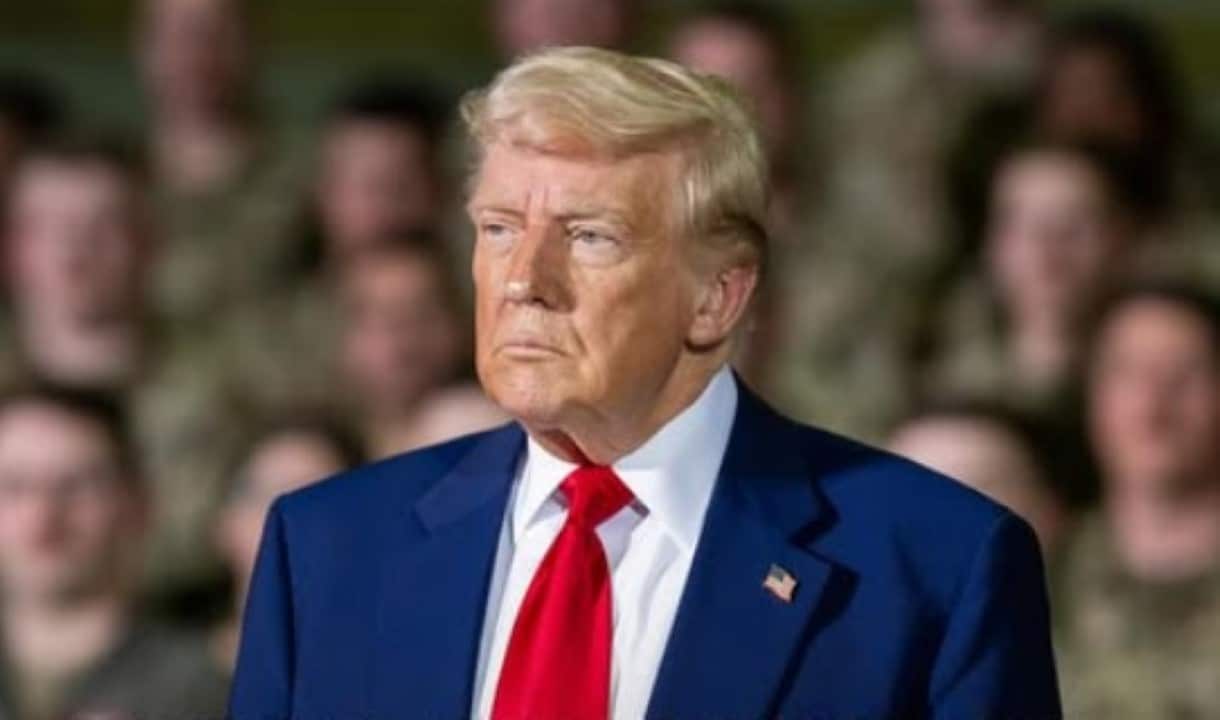
- The controversial edit combined phrases like “We’ll walk to Capitólio” with “I’ll be there with you” and “we’ll fight.”
- In the actual speech, Trump encouraged supporters to support parliamentarians in a peaceful and patriotic way.
- The documentary was removed from BBC platforms after the initial controversy.
Controversial edit details
The controversy surrounds an excerpt of about 12 seconds in the documentary “Trump: A Second Chance?”, broadcast a week before the 2024 presidential elections on Estados Unidos. The BBC admitted that the joining of parts of Trump’s speech, separated by almost an hour, created a mistaken impression about his intentions.
Experts in journalistic editing point out that the practice of splicing, or splicing clips, can alter the context when it is not clearly signaled. In this case, the broadcaster acknowledged an error in judgment, but maintained that there was no intention to defame.
The BBC has removed the program from its platforms and has no plans to rebroadcast it. Executivos from the broadcaster resigned during the initial crisis, in November, after an internal memo was leaked criticizing the production.
Context of the January 6 speech
Trump’s speech took place at Washington, on the day of the 2020 election certification, shortly before supporters stormed Capitólio. In the original speech, the then president encouraged the crowd to march to the Congresso building to “applaud brave senators and congressmen.”
Later excerpts mentioned “fighting with all your might”, but in the context of a political dispute. The BBC edition merged these parts together, omitting references to peaceful actions, which led to the accusation of manipulation.
The January 6 event resulted in wide-ranging investigations into Estados Unidos into liability for incitement. Trump was acquitted in a related impeachment, but the issue remains sensitive.
BBC’s position in the dispute
The British broadcaster sent a letter to Casa Branca expressing regret at the way the clip was edited. However, the BBC strongly rejects the existence of a legal basis for a defamation claim.
Company representatives argue that the program was not shown on Estados Unidos and that Trump did not suffer proven losses, especially after his re-election. The defense highlights protections for press freedom in American and British laws.
The BBC said it was determined to challenge any legal proceedings. The broadcaster’s chairman reinforced in an internal statement that the company’s position has not changed regarding the lack of grounds for compensation.
Legal implications of the case
Libel lawsuits involving public figures in the Estados Unidos require proof of “actual malice”, that is, that the publication was made with knowledge of falsehood or reckless disregard for the truth. Analistas legal experts consider it challenging for Trump to meet this criterion, given the BBC’s acknowledgment of error without admission of malicious intent.
The requested amount of US$5 billion is high compared to similar media cases. Previous Acordos of Trump with American vehicles involved lower values, as in disputes with Paramount and others.
The case can be tried in Flórida, where defamation laws apply, but international jurisdiction with the BBC adds complexity. Observadores are awaiting formal responses from the broadcaster to the filed process.
International repercussion of the action
The dispute gained global attention as it involved the American president and a British public broadcaster funded by a license fee. Governos of Reino Unido defended the BBC’s independence, while conservative critics in the country used the episode to question editorial standards.
Trump has a history of taking legal action against media outlets he considers hostile. Recentemente, he has won settlements in similar cases, but experts see obstacles in this one against the BBC.
The controversy reignites debates about editing in documentary journalism and responsibility in political coverage. Organizações of the press monitor developments to assess impacts on editorial freedom.
Background to the initial controversy
The issue arose in November 2025, with a leak of an internal report criticizing the edit on Panorama. Isso led to senior resignations at the BBC, including the director general and head of news.
Trump initially threatened a $1 billion lawsuit, later raising the amount. The broadcaster apologized, but refused financial compensation, which led to the process being filed.
The documentary analyzed the political phenomenon around Trump before the 2024 election. The specific edition was highlighted as an isolated failure in outsourced production.



