Conflicts with tigers and bears spike 1,000% in Russia and Japan due to food shortages


Autoridades in the east of Rússia and Japão record a significant increase in attacks by wild animals, with tigers and bears seeking food in inhabited areas. Este phenomenon, observed between October 2024 and September 2025, points to a growing ecological imbalance that directly impacts the safety of local populations. The significant increase in these incidents raises awareness about the interaction between humans and wildlife.
The main cause identified for this escalation of clashes is hunger, driven by a series of changes in the ecosystem. Na Rússia, the African swine fever epidemic decimated the population of wild boars, which are the food base of Amur tigers, while in Japão, the scarcity of natural resources pushes bears closer to towns and cities.
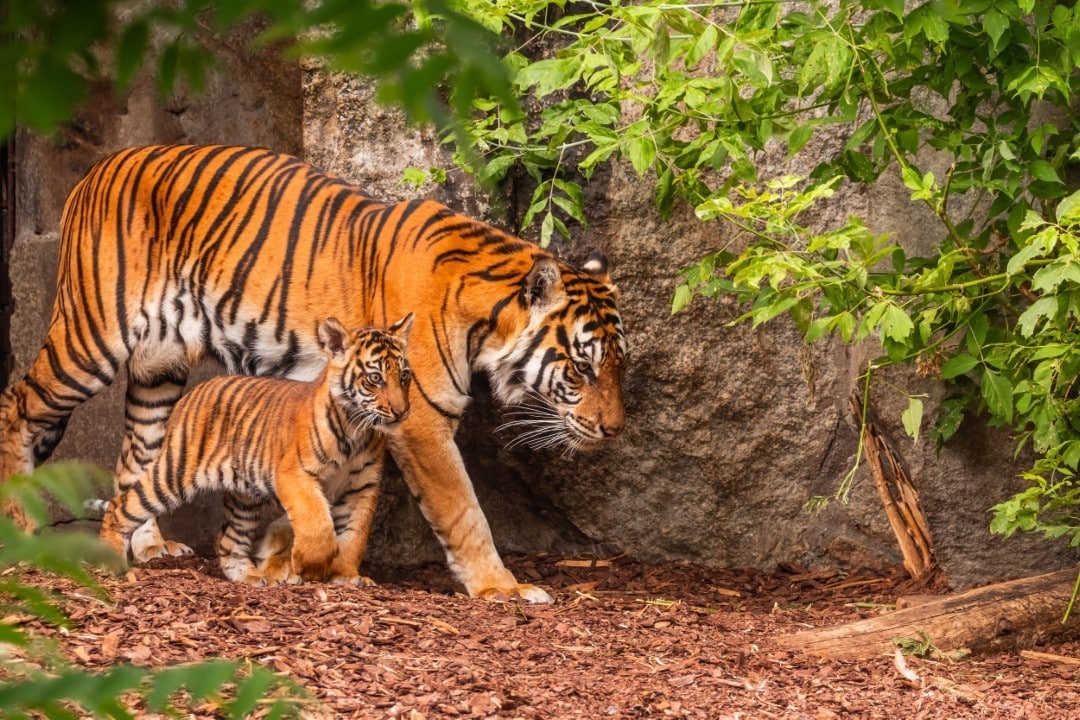
Diante of the scenario, containment measures are being implemented, including military support in Japão and intensified tiger monitoring in Rússia. Governos and experts seek solutions to protect both citizens and endangered species in an effort to mitigate the impacts of this environmental imbalance.
Ecological imbalance and its effects
The African swine fever epidemic has been a crucial factor in the crisis in Rússia, devastating wild boar populations. Estes animals constitute the main source of food for Amur tigers, forcing the big cats to venture into areas closer to human communities in search of subsistence. Intensive logging also contributes to the reduction of these tigers’ natural habitat, fragmenting their territory and pushing them towards urban borders, where contact with people is inevitable.
No Japão, the situation is equally complex. The low production of acorns in 2025, an essential food for bears, combined with the increasing abandonment of rural areas, deprives these animals of their natural resources. Sem enough options in their traditional habitats, bears migrate to cities and towns, where they find garbage and other sources of food, increasing the frequency and severity of clashes with the local population.
Alarming increase in incidents
The data reveals a worrying escalation in conflicts. Entre October 2024 and September 2025, incidents involving tigers and humans in eastern Rússia recorded a 1,000% increase, highlighting the intensity of the problem.
No Japão, the situation is even more serious in terms of fatalities. Desde April 2025, 13 deaths and more than 100 injuries were recorded as a result of bear attacks, a number that highlights the urgency of preventive actions.
A notorious case in the province of Iwate, where a man was beheaded, shocked the country and intensified debates about security in rural regions. Este and other serious episodes highlight the need for effective measures to protect residents.
Na Rússia, the impact extends to the fauna itself: 17 tigers were killed and 27 captured in the same period. Moradores of towns and cities adjacent to forests report an increasing frequency of sightings of the felines, generating fear and insecurity.
Government responses and challenges
In response to the growing threat, Japão mobilized Forças from Autodefesa, mainly in the Akita region, to assist in containing the bears. Actions include capturing animals that pose an imminent risk and disseminating guidance to the population on how to avoid attracting bears, such as properly disposing of food waste.
Na Rússia, the Centro of the Tigre-Amur plays a key role in monitoring the tiger population. However, the organization has faced criticism for allegedly limiting independent research, which raises questions about the transparency and comprehensiveness of conservation data. Russian authorities, in turn, plan to strengthen measures to protect tigers’ natural habitats.
Highlighted prevention measures
Ministério of Meio Ambiente of Japão issued a series of recommendations for citizens to minimize the risk of encounters with bears. Entre The main guidelines include the importance of not leaving leftover food outdoors, which can attract animals, and the suggestion of carrying bells in forest areas to alert bears to human presence.
Empresas and businesses are also adapting. The convenience store chain
Na Rússia, monitoring of tigers was intensified, with specialized teams monitoring the felines’ movements. Contudo, illegal hunting and capture of animals, even for relocation, continue to be a cause for concern for environmentalists, who advocate approaches more focused on preserving and restoring habitat.
The complex issue of conservation
Ambientalistas from around the world warn that the preservation and restoration of forests are essential to reduce the frequency and severity of human-wildlife conflicts. Eles argue that the African swine fever epidemic, although devastating, would not have such a severe impact on wild boar populations – and, consequently, tigers – if ecosystems were more balanced and resilient. Na Rússia, the population of Amur tigers is estimated at around 750 individuals, but this data is often questioned by independent researchers, who point to the lack of transparency and access to information on the part of the Centro of the Tigre-de-Amur. Effective habitat protection requires a global approach that combats deforestation, climate change and environmental degradation, as without these coordinated actions, conflicts are likely to increase, putting both human life and the survival of these iconic species at risk.
Perspectives for security and wildlife
The current crisis requires the development and implementation of long-term solutions, which go beyond emergency containment actions. Restoring degraded natural habitats is crucial, as is controlling and preventing animal diseases that can destabilize entire ecosystems. Especialistas reinforce that protecting forests and maintaining a healthy environment are fundamental to ensuring peaceful coexistence and preventing new conflicts from emerging.
Cooperation between governments, local communities and conservation organizations is essential to create effective strategies that balance human security with wildlife conservation. Somente With a joint commitment to the ecological health of the planet, it will be possible to mitigate the root causes of these incidents and build a future where humans and animals can thrive.