
Control of iRobot, creator of Roomba, is transferred to Chinese company after bankruptcy

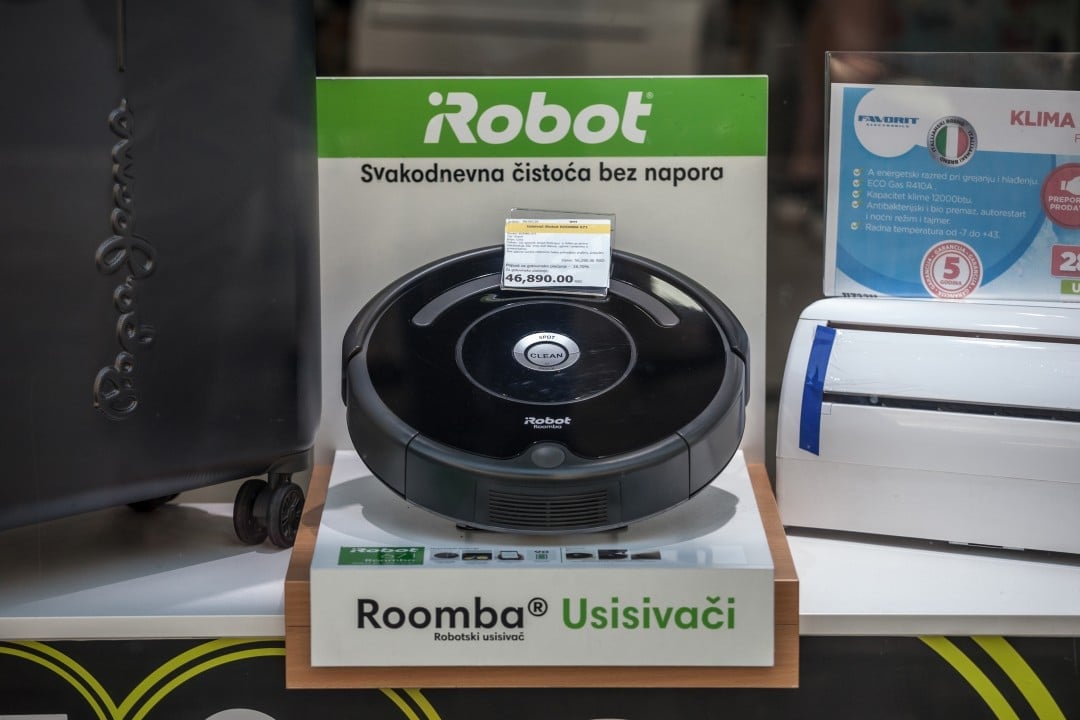
iRobot, a pioneer in the manufacture of Roomba robot vacuum cleaners, filed for bankruptcy protection in Estados Unidos on December 14, 2025. The process, known as Esta last is the main Chinese manufacturer of its products.
The ongoing restructuring will allow iRobot to maintain its regular operations, ensuring continuity of services and products for consumers. The transition to a private company comes after a challenging period marked by persistent financial difficulties, intensifying global market competition and rising operating costs.
Picea Robotics will play a central role in the recovery by canceling iRobot’s significant debt. Isso includes approximately $190 million remaining from a 2023 loan and another $74 million tied to production contracts. Outros iRobot’s creditors and suppliers are expected to receive full payment of their debts.
iRobot’s trajectory and the innovation of Roomba
Founded in 1990 by researchers from the prestigious Massachusetts Institute of Technology (MIT), iRobot began its activities developing robots for various applications. The initial focus included sectors such as the military and space exploration, demonstrating its capabilities in advanced engineering from an early age.
The company quickly expanded its areas of activity, participating in innovative projects such as searching for artifacts in Egyptian pyramids and monitoring oil spills. Essa diversification of projects consolidated its expertise in robotics before entering the consumer market.
Fierce competition and recent financial challenges
iRobot has faced a sharp drop in sales since the post-pandemic period, directly impacting its global revenue. In 2024, the company’s total revenue stood at approximately 682 million dollars, accompanied by continuous financial losses that compromised its stability.
In the most recent quarter, the company recorded a 33% decrease in sales in just Estados Unidos, one of its most important markets. Essa retraction demonstrates the difficulty in maintaining the growth rate and demand for its products.
Chinese competitors, such as Ecovacs Robotics and other low-cost manufacturers, began to offer robot vacuum cleaner models at more affordable prices. Competitive pressure forced iRobot to implement price reductions and invest heavily in technological upgrades to maintain its relevance in the market.
Despite the challenges, the company still holds a significant share of around 42% in the US and 65% in the Japanese market for robot vacuum cleaners. However, the need for constant innovation and price competitiveness have been crucial factors for its sustainability.
Trade barriers and the weight of tariffs in 2025
Tariffs imposed on imports of electronic products have considerably increased iRobot’s operating costs, affecting its profit margin and competitiveness. Most Roomba vacuum cleaners destined for the American market are produced in the Vietnã, making the company vulnerable to trade policies.
A 46% tax rate applied to these products resulted in a substantial increase in expenses, totaling 23 million dollars in 2025 alone. Esse tariff burden contributed to the financial pressure that the company was already facing.
In addition, iRobot owes $3.4 million in unpaid tariffs to US customs. Tais factors not only hampered strategic planning, but also undermined the company’s ability to compete effectively in an increasingly crowded global market.
The frustrated acquisition by Amazon and its consequences
In 2022, Amazon had announced its intention to acquire iRobot in a deal valued at 1.7 billion dollars, which raised expectations in the market. However, European and American regulators have expressed significant concerns about the merger’s impact on industry competition.
After months of analysis and negotiations, the merger was officially abandoned in January 2024, following a decision by regulatory bodies. The end of the agreement represented a setback for iRobot, which was counting on the capital injection and synergy with the e-commerce giant.
Amazon, as a result of the cancellation, paid a termination fee in the amount of 94 million dollars to iRobot. Para to sustain itself during the long regulatory review process, iRobot had taken out a $200 million loan, which added pressure to its already delicate financial situation.
The restructuring plan under the auspices of Picea Robotics
Shenzhen Picea Robotics, which has served as a contract manufacturer for iRobot since 2024, has become the centerpiece of the restructuring strategy. The Chinese company previously acquired a portion of iRobot’s debt from funds managed by Carlyle Group, establishing a prior financial connection.
Under the bankruptcy plan, Picea will assume 100% of iRobot’s capital, converting it into a Chinese-controlled company. The restructuring process is expected to be completed by February 2026, solidifying the new ownership and management structure.
Continuity of operations and expectations for the future
iRobot filed court motions to ensure the maintenance of payments to employees and suppliers, aiming to minimize the immediate impact of the bankruptcy process. The company does not foresee mass layoffs in the short term, seeking to preserve its workforce and accumulated expertise.
Following the announcement of the bankruptcy filing, iRobot shares fell by more than 70% in pre-market trading, reflecting the market reaction. Current Acionistas are expected to face significant losses, with their shares expected to be canceled as part of the restructuring plan.
The rise of Picea on the global robotics scene
Shenzhen Picea Robotics is recognized in the market as a manufacturer of robot vacuum cleaners for several international brands. With research and production facilities located in China and Vietnã, the company has a robust infrastructure and expertise in the area. Picea also produces its own models under the 3i brand, expanding its presence in the sector. The acquisition of iRobot reinforces Picea’s position in the global domestic robotics segment, consolidating its influence and production capacity.



