
HyperOS 3.0 code signals cancellation of basic POCO F8 and X8 models for 2026


Xiaomi plans a significant restructuring for its POCO sub-brand, with predictions of changes expected to materialize from 2026. Informações obtained from the HyperOS 3.0 code indicates that the conventional POCO F8 and POCO X8 models will not be launched.
This strategic decision points to an intensified focus on the brand’s premium variants, such as the Pro and Ultra editions. The measure seeks to optimize the product catalog and concentrate the company’s efforts on more profitable segments in the global smartphone market.
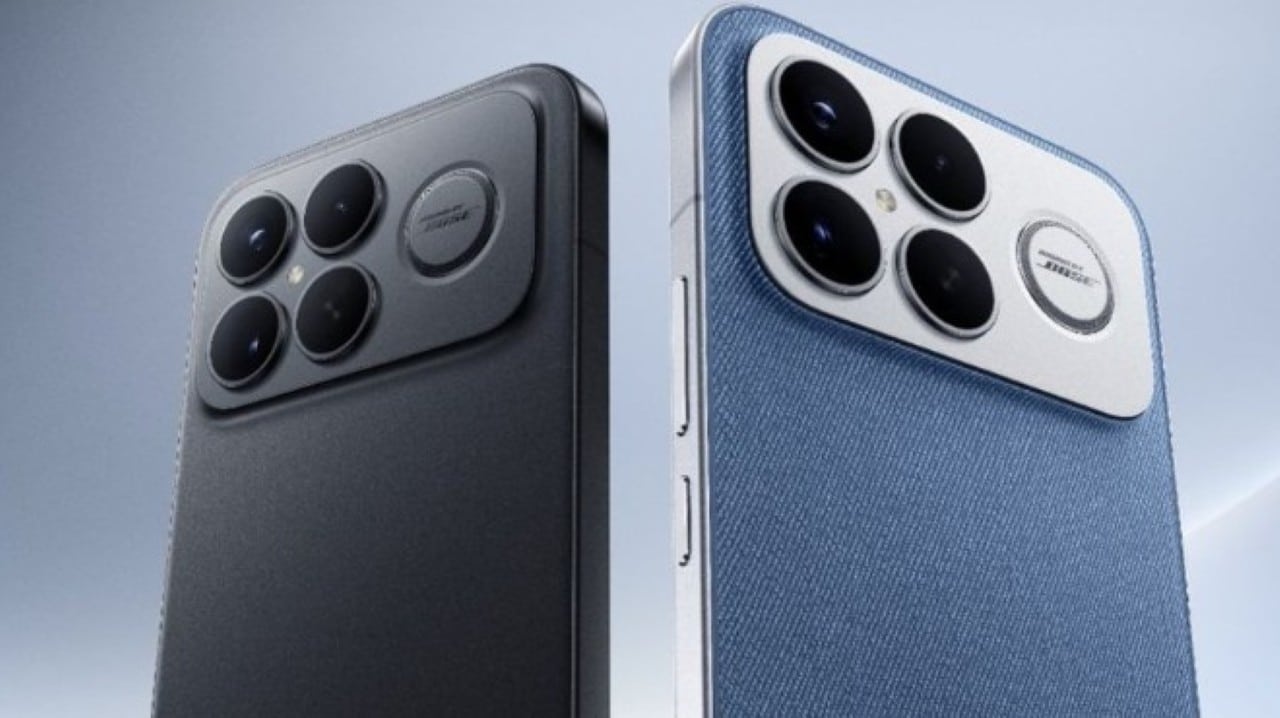
The absence of IMEI certifications for the standard POCO X8 corroborates the signs of cancellation. Tais movements reflect broader adjustments in the industry, where manufacturers seek to prioritize devices with greater performance and added value.
Operating system leak details
Developers analyzing the source code of the HyperOS 3.0 operating system were responsible for identifying references that suggest the non-existence of basic models. In the development environment, no mentions were found that could indicate a possible renaming to Redmi lines that would become the standard versions of POCO’s F and X series.
The entry-level POCO X8, in particular, did not appear in any international certification databases such as IMEI, which is crucial for the marketing of mobile devices. Esse is in direct contrast to versions Pro and Ultra, which already present normal advances in their approval processes.
These collected elements reinforce the perception of an intentional reduction in the number of entry-level models offered by the sub-brand. The strategy appears to be to direct POCO towards a more specific positioning within the Xiaomi portfolio.
Xiaomi strategy for POCO
Xiaomi has demonstrated a clear intention to relocate devices from the Redmi line to the POCO brand, but this integration focuses mainly on variants considered premium or mid-range with high accessibility. The goal is to create a more defined and understandable hierarchy for consumers.
With the elimination of the conventional F8 and X8 models, the company seeks to simplify the offer, avoiding product overlap and optimizing development and marketing resources. The focus on versions Pro and Ultra aims to meet the demand for more robust devices with advanced features.
This approach reflects an adaptation to the dynamics of the smartphone market, which increasingly values specialization and clarity in the value proposition of each product. POCO, therefore, positions itself to attract an audience that seeks performance and innovation.
Rebrandings and new models planned
POCO’s expansion is being outlined through the conversion of already established Redmi models, ensuring a robust line without the need to develop new devices from scratch. Esta practice is common in the industry and allows the brand to benefit from technologies and designs already tested by Xiaomi.
The list of rebrands planned for 2026 includes a diversity of models, covering different performance and price ranges, from mid-range to top-of-the-line. Maintaining high-end options in the X and F Series demonstrates a commitment to offering competitive alternatives.
– Poco M8 5G → renamed from Redmi Note 15 5G
– Poco M8 Pro 5G → renamed from Redmi Note 15 Pro Plus 5G
– Poco X8 Pro → renamed from Redmi Turbo 5
– Poco X8 Pro Max → renamed from Redmi Turbo 5 Pro
– POCO F8 Pro → renamed from Redmi K90
– POCO F8 Ultra → renamed from Redmi K90 Pro Max
This rebranding strategy ensures that the POCO brand maintains a strong and diversified presence in the market, with products that already have a solid technological base. The move aims for a leaner and more efficient portfolio.
Increasing priority on line M
POCO’s M series emerges as a key pillar in the redesign strategy, gaining prominence with direct conversions of models from the popular Redmi Note line. The POCO M8 Pro 5G, for example, is a rebrand of the Redmi Note 15 Pro Plus 5G, inheriting its specifications and capacity.
This approach aims to strengthen POCO’s presence in the affordable mid-range segment, a high-volume market with growing demand. By focusing on the M series for this range, the brand is able to offer competitive products with an attractive cost-benefit ratio.
The adjustment allows for a clearer portfolio structure, with a well-defined hierarchy: the M series models for those seeking accessibility, the X series Pro for average performance and the F Pro/Ultra variants for flagships. Essa organization facilitates consumer choice and optimizes product management.
Expectations for the smartphone market
The possible cancellation of the standard POCO F8 could generate repercussions among fans of the line, which has had notable success with previous models, such as the F7, in key markets such as the Índia. Expectations for new releases are always high, and changes can redefine perceptions.
To date, Xiaomi has not issued an official statement regarding the rumors surrounding the cancellations. The company generally keeps a low profile on leaks, but the changes coincide with a challenging period for the global component supply chain, which could influence portfolio decisions.
The projection for 2026 is that POCO will offer a more limited number of main models, between four and six. Essa limitation signals a prioritization of quality and strategic positioning to the detriment of a vast number of options.
The company, however, ensures its presence in premium and intermediate segments through the Pro and Ultra variants, which will continue to be renamed the Redmi lines. Isso ensures that POCO remains relevant and competitive in different market niches.
Future scenario of the POCO sub-brand
The future of POCO, as indicated by information from HyperOS 3.0, points to a more focused and segmented brand. The elimination of the conventional F8 and X8 models directs the sub-brand into a more specific role, focusing on high performance and the affordable mid-range. Essa strategy aims to consolidate POCO’s position in the global smartphone market.



