
HyperOS 3.0 signals the end of basic POCO F8 and X8 models; focus shifts to Pro and Ultra versions


Xiaomi is preparing a significant strategic restructuring for its POCO sub-brand, with changes expected to materialize from 2026. Informações obtained from the HyperOS 3.0 operating system code indicates that the company does not intend to launch the standard POCO F8 and POCO Essa decision points to a simplification of the product catalog and a renewed focus on market segments that offer greater profitability and alignment with current demand for high-performance devices and advanced features.
The absence of records in certification databases, such as IMEI, for the standard POCO X8 corroborates the possibility of cancellation, differentiating it from the Pro versions, which continue in the normal development and approval process.
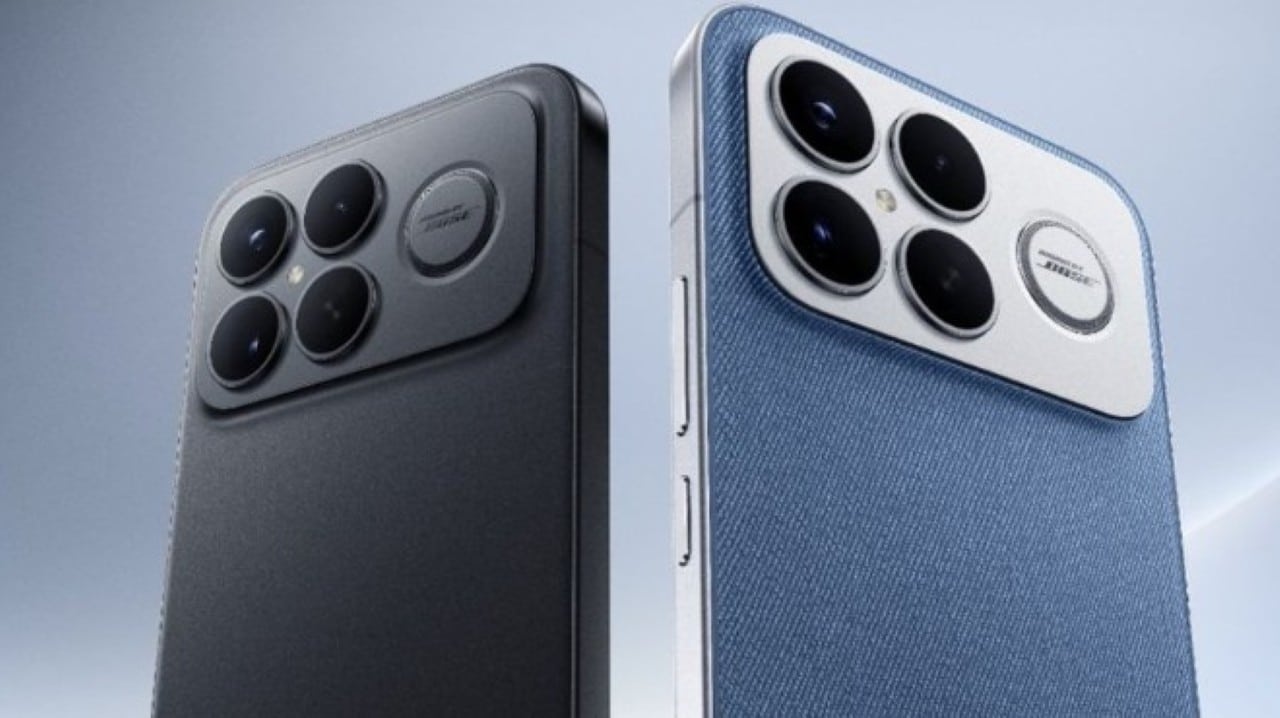
This maneuver reflects an adaptation by Xiaomi to the dynamics of the global smartphone market, aiming to optimize the offer of its products and strengthen the perception of the POCO brand as a technology provider focused on performance and cost-benefit in more specific categories.
Origin of the leak in the operating system
Developers attentive to the HyperOS 3.0 source code have identified references that point to the discontinuation of the basic models. Detailed analysis revealed no mention of possible renaming of Redmi lines that would be transformed into standard POCO in the F and X series, indicating a direct deletion.
The entry-level POCO X8, in particular, didn’t appear in any international certification databases, a crucial step towards the launch of any smartphone. Este data contrasts sharply with the progress of the Pro variants, which already have records and indicate active development.
These combined indications suggest an intentional reduction in the number of entry-level models, directing the brand’s strategy towards devices with greater added value.
New models planned by POCO
Xiaomi has demonstrated a tendency to relocate devices from the Redmi line to the POCO brand, generally focusing on premium or mid-range variants with strong appeal. Essa practice allows POCO to expand its portfolio with models already consolidated and tested on the market.
The list of devices that should make up POCO’s future portfolio includes:
[[_0]
This diversification demonstrates a clear intention to expand the M series, focused on cost-benefit, while maintaining robust and high-performance options in the X and F lines, strategic for technology enthusiasts.
Market and portfolio strategy
The redefinition of the POCO line reflects a market analysis that prioritizes efficiency and brand positioning. By focusing on models Pro and Ultra, Xiaomi seeks to avoid internal cannibalization between its own products and those of Redmi.
The strategy aims to create a clearer hierarchy within the Xiaomi ecosystem, with POCO acting as the brand for users looking for high performance at competitive prices, but without the vast array of entry-level options.
This approach allows the company to optimize its marketing and development resources, focusing on products that generate higher profit margins and that serve more specific market niches.
Greater focus on the affordable M line
POCO’s M series should gain even greater prominence in the brand’s portfolio, consolidating itself as the main option for the affordable mid-range segment. The direct conversion of Redmi Note models to the POCO M8 5G and POCO M8 Pro 5G line is a clear example of this priority.
The POCO M8 Pro 5G, by inheriting the specifications of the Redmi Note 15 Esta tactic strengthens POCO’s presence in a high-volume segment.
This approach allows for a clearer product structure, with the M series serving the public that seeks a good balance between price and performance, while the X and F series are positioned at higher levels.
Redefinition of the F and X series
The decision to discontinue the conventional POCO F8 and X8 models marks a significant reset for these series. Elas will now be represented exclusively by its variants Pro and Ultra, raising the entry level and performance profile of each line.
Impact of the decision on consumers
The cancellation of basic models may generate different reactions among consumers. Fãs from the POCO line, which has historically appreciated offering good-performing smartphones at affordable prices, may feel the lack of more basic options.
The F line in particular has had success in markets like the Índia with models like the F7, which makes the absence of a standard F8 a notable change. Xiaomi, however, is betting that the focus on more robust variants will meet a growing demand for improved technology.
The changes coincide with global challenges in the component supply chain, suggesting that portfolio simplification may be a strategic response to these pressures.
POCO future scenario
In 2026, POCO should operate with a leaner portfolio, possibly offering between four and six main models. Essa strategy prioritizes quality and focus on specific niches over the quantity of available options.
The company maintains its presence in premium and mid-range segments through the Pro and Ultra variants, many of which are renamed Redmi models. Esta approach allows POCO to maintain its competitiveness and relevance in the global smartphone market.



