
Pioneer iRobot, from Roomba, declares insolvency and has control transferred to Chinese partner

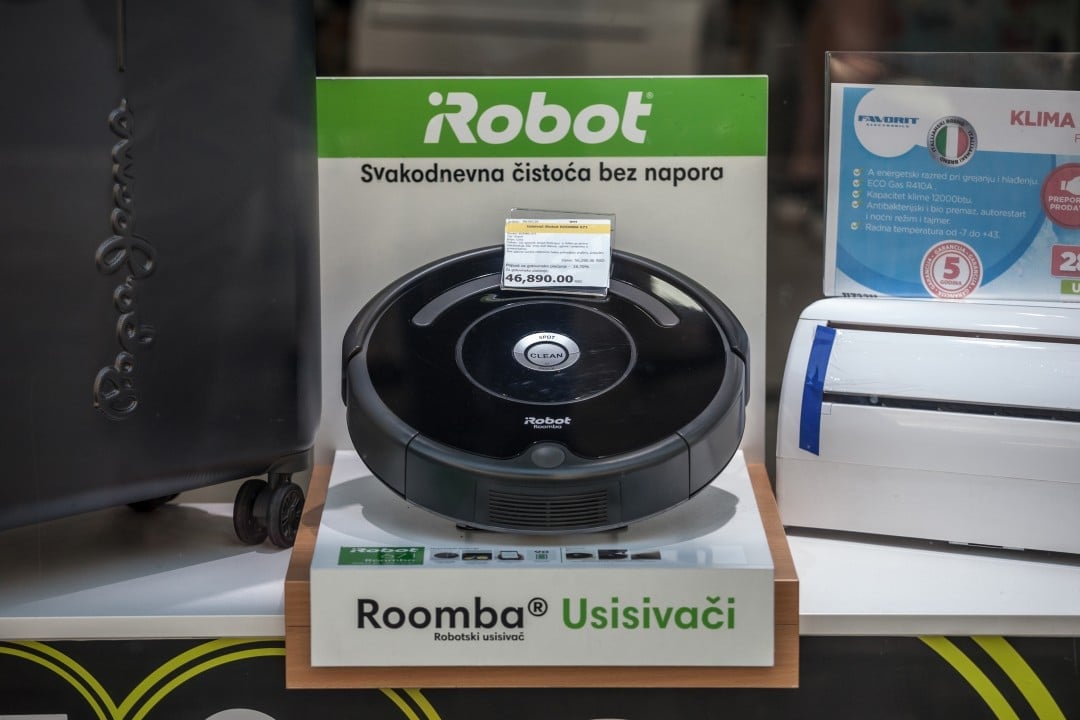
iRobot, a company recognized for popularizing robot vacuum cleaners with the model Roomba, filed for bankruptcy protection in Estados Unidos last Sunday, December 14, 2025. The process, under Capítulo 11 of American law, was initiated in a court in Delaware, marking a significant transition for the company.
A pre-agreed plan calls for the transfer of full control of iRobot to Shenzhen Picea Robotics, its main manufacturer in China. Este arrangement allows the company to continue its operations as normal, ensuring there will be no disruptions to consumers and continued product support.
The transition to a private entity comes after a period of financial challenges intensified by fierce competition in the global market and rising operating costs. Picea Robotics has committed to canceling substantial debt, including about $190 million remaining from a 2023 loan and another $74 million tied to production contracts.
Trajectory and rise of Roomba
Founded in 1990 by researchers from the prestigious Massachusetts Institute of Technology (MIT), iRobot dedicated its early years to developing robots for various applications. Inicialmente, the focus was on military and exploration projects, demonstrating the team’s innovative capacity.
The company expanded its activities into more exotic areas, such as creating search robots used in Egyptian pyramids. Além In addition, iRobot technology was used to monitor oil leaks, highlighting the versatility of its robotic solutions.
In 2002, the company launched the Roomba, an autonomous vacuum cleaner that quickly became a phenomenon. The product revolutionized residential cleaning and sold millions of units, consolidating iRobot as a leading brand in the domestic robotics segment.
Persistent financial difficulties
iRobot has faced a sharp drop in sales since the post-pandemic period, a scenario that has significantly impacted its financial health. The company’s total revenue in 2024 was around 682 million dollars, but it was accompanied by continuous losses that worsened its situation.
In the most recent quarter, sales in the Estados Unidos declined by 33%, indicating a strong slowdown in demand. Competition from Chinese manufacturers, who offer cheaper models with advanced features, forced iRobot to adopt price reductions and invest heavily in technological updates to maintain its relevance in the market. Apesar of the challenges, the company still holds a share of around 42% in the American market and 65% in the Japanese market for robot vacuum cleaners, demonstrating the strength of its brand.
The weight of trade tariffs
The tariffs imposed on imports represented a considerable operational cost for iRobot, directly impacting its profit margin. Most Roomba devices destined for the American market are manufactured in Vietnã, which subjects them to specific customs policies.
A 46% tax rate on these products generated additional expenses of 23 million dollars in 2025 alone, increasing production and distribution costs. Além In addition, iRobot accumulates a debt of 3.4 million dollars in unpaid tariffs to American customs, factors that have hampered the company’s strategic planning and competitiveness in the global market.
Frustrated merger with Amazon
In 2022, Amazon publicly announced its intention to acquire iRobot in a deal valued at $1.7 billion, a transaction that promised to change the landscape of home robotics. However, the deal quickly attracted the attention of regulators.
Both European and American officials have expressed serious competition concerns, fearing that the merger could unduly concentrate market power. The regulatory reviews extended over a long period, creating uncertainty for both companies.
Faced with pressure and a looming ban, the merger was officially abandoned in January 2024, a significant setback for iRobot. Como party to the agreement, Amazon paid a termination fee in the amount of 94 million dollars.
To sustain itself through the prolonged regulatory review process and resulting uncertainty, iRobot took out a $200 million loan, which added an extra layer of debt to its already complex financial situation.
The restructuring plan with Picea
Shenzhen Picea Robotics, which has served as iRobot’s contract manufacturer since 2024, will assume full control of the company. Picea acquired iRobot’s debt from funds managed by Carlyle Group and, in the bankruptcy plan, assumes 100% of the company’s capital. The restructuring is expected to be completed by February 2026, maintaining the headquarters at Bedford, Massachusetts, and without significant immediate job cuts, with the current workforce at around 500 employees, half the previous peak. Picea will cancel significant debt, including $190 million of a 2023 loan and $74 million of production contracts, ensuring full payment to other creditors and suppliers.
Continuity of operations and impact on users
iRobot assures that the bankruptcy process will not affect the operation of Roomba devices, application support or the supply chain. The priority is to keep the quality of service and the customer experience unchanged.
Consumers can continue using their devices without immediate changes, ensuring the functionality of products already purchased. The company filed court motions to maintain payments to employees and suppliers, aiming to preserve operational stability during the restructuring.
Picea’s performance in the global market [[_0]
Shenzhen Picea Robotics is a prominent robot vacuum cleaner manufacturer serving several global brands, with research and production facilities strategically located in China and Vietnã. The company also develops and markets its own models under the 3i brand, consolidating its position as a relevant player in the robotics scene. The acquisition of iRobot significantly strengthens its presence and influence in the global robotics sector, especially in the home cleaning segment. iRobot has sold more than 50 million robots throughout its history, with the Roomba revolutionizing home cleaning through its autonomous navigation and recent models that include mapping and app control. The company had already warned of bankruptcy risks since March 2025, citing weakened consumer demand as a contributing factor to the current situation.



