
Top cell phones of 2025 reveal advances in AI and foldables from Apple, Samsung and OnePlus


The year 2025 has established itself as a significant milestone for the smartphone industry, driven by a wave of technological innovations that have redefined consumer expectations and established new performance standards. Gigantes in the industry, such as Apple, Samsung and OnePlus, were at the forefront of this transformation, launching devices that integrated remarkable advances in artificial intelligence, revolutionary improvements in camera systems and the expansion of foldable designs that became more robust and functional. Fierce competition has led to the introduction of devices with long-lasting batteries and unique features, ensuring the market offers diverse options to suit a wide spectrum of user profiles, from cutting-edge technology enthusiasts to those seeking a balance between performance and value for money.

This crop of launches stood out for their ability to combine powerful hardware with intelligent software, providing a more fluid and intuitive user experience. AI integration, in particular, has transcended simple voice assistants, permeating photo editing and performance optimization functionalities.
Among the models that captured the attention of the public and critics, several stood out for their innovative features:
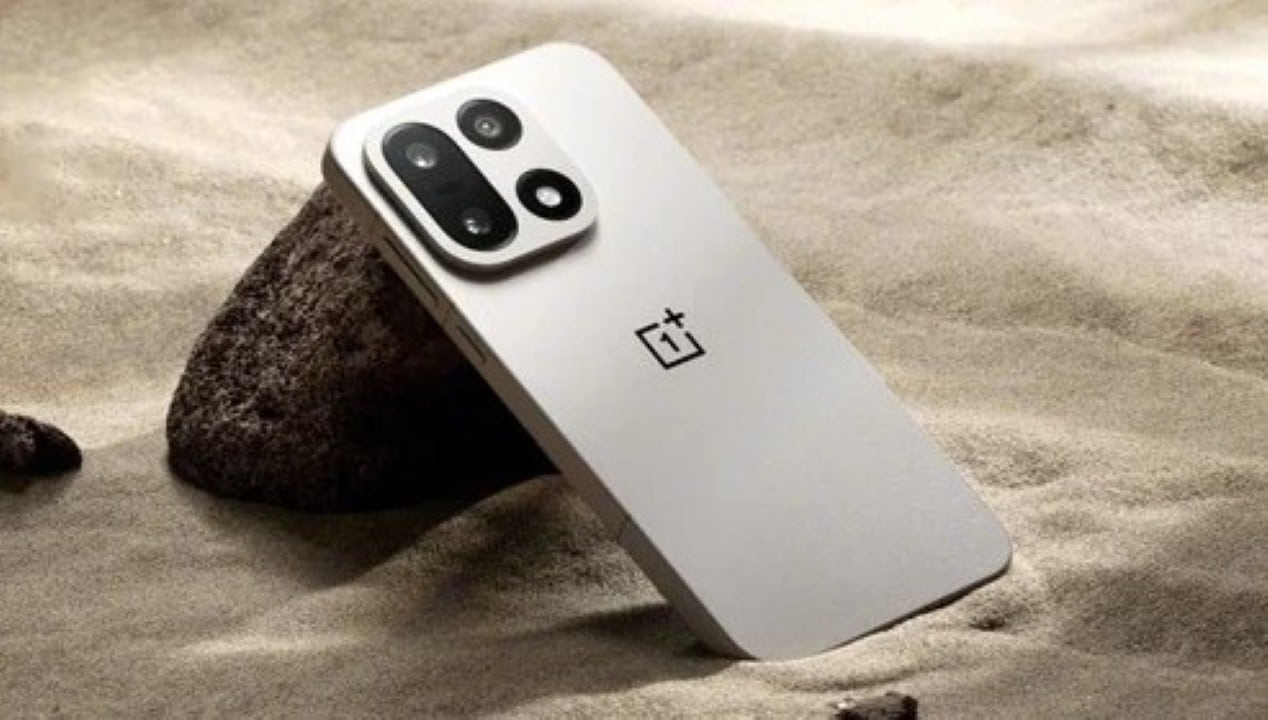
- The OnePlus 15 has been praised for its remarkable balance between performance and price.
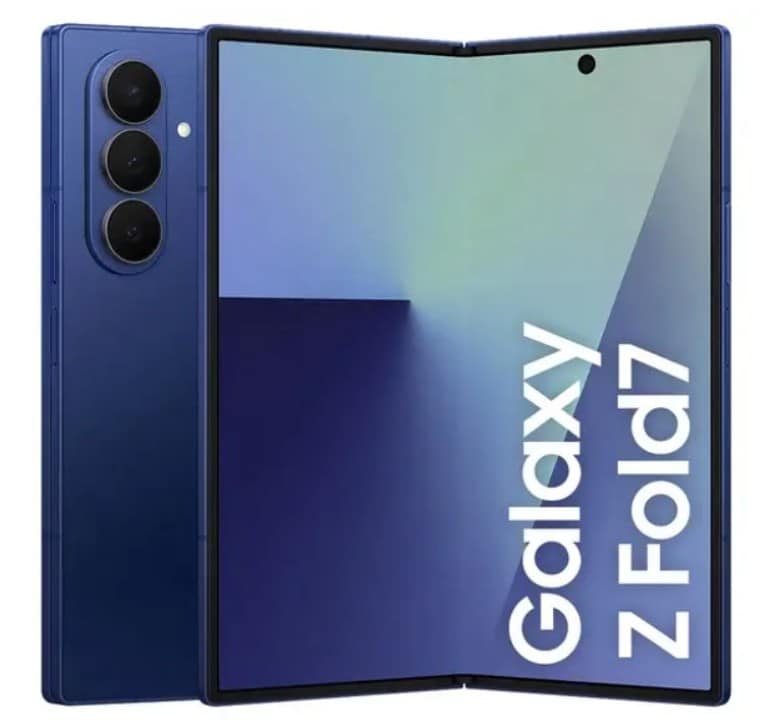
- Foldable devices like the Motorola Razr Ultra and Samsung Galaxy Z Fold 7 have gained maturity and popularity.
- The iPhone 17 and Galaxy S25 lines maintained their leadership position, improving already consolidated ecosystems.
Enhancements to top-of-the-line models
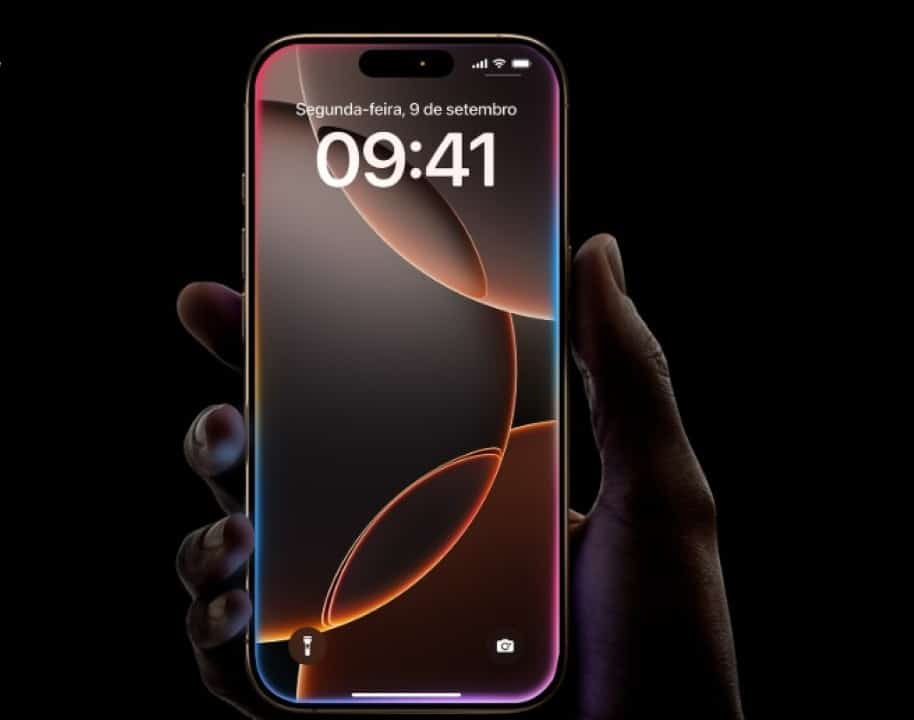
The Apple presented the long-awaited iPhone 17 series, which brought significant improvements to its processors, increasing multitasking capacity and performance in demanding applications. Cameras also received special attention, with new sensors and algorithms that improved image quality in different light conditions.
The iPhone 17 Pro Max, in particular, stood out for its extended battery life, a crucial point for intensive users. Sua integration with iOS 18’s artificial intelligence features provided a more personalized and efficient experience, optimizing daily tasks and interaction with the system.
Samsung, in turn, has updated its Galaxy S25 line, introducing even brighter and more adaptive screens, ideal for viewing in direct sunlight. Artificial intelligence tools, part of the Galaxy AI ecosystem, have been enhanced to provide greater accuracy in real-time translations and contextual suggestions.
The Google has focused heavily on its expertise in computational photography with the Pixel 10 series, cementing its reputation for camera excellence. The devices delivered impressive results, with advanced editing features and innovative capture modes that simplify the process for the user.
Innovations from emerging manufacturers
The OnePlus 15 emerged as one of the year’s biggest highlights, surprising the market with a device that offered flagship performance at a remarkably competitive price. Sua value proposition resided in the balance between robust hardware and optimized software, captivating an audience looking for high performance without maximum investment.
The OnePlus device featured a vibrant screen with a high refresh rate, ideal for media consumption and gaming. Além In addition, fast charging and superior battery life, proven in real usage tests, were strong points that differentiated it from the competition, consolidating the brand as a strong alternative in the premium segment.
The rise of mobile artificial intelligence
The integration of artificial intelligence tools into smartphones reached a new level in 2025, transforming the way users interact with their devices. Fabricantes have invested heavily in algorithms capable of performing everything from complex image edits with a few taps to offering proactive and contextually relevant daily assistance. The Google, with its Pixel 10 series, maintained leadership in advanced AI functions, with features that optimized photography and intelligently organizing personal information. The Samsung expands on the Galaxy AI, introducing new split-screen multitasking capabilities to its foldable models, facilitating productivity. Apple incorporated native AI capabilities into the updated iOS, enhancing the security and privacy of user data while delivering system-wide intelligent functionality. OnePlus, in turn, added useful capabilities without cluttering the interface, focusing on optimizing performance and simplicity of use. Essas tools, together, significantly increased the photography experience, productivity and personalization of devices, making them true personal assistants.
The advancement of foldable designs
The year 2025 marked the maturity and consolidation of foldable smartphones, which overcame previous durability and usability challenges. The Samsung recovered ground with the models Galaxy Z Fold 7 and Z
The Motorola competed directly in the flip segment with the Razr Ultra, which combined a premium design with robust performance. The model corrected limitations of previous versions, offering a wider and more functional external screen, which allowed users to access notifications and perform quick tasks without having to open the device.
Other brands, such as Honor and Oppo, have also contributed significantly to the foldables segment, launching premium devices in selected markets. The variety of options has grown, ranging from compact models that fit in your pocket to expandable screens that transform your smartphone into a tablet for advanced multitasking, signaling a strong acceptance of the technology.
Robust options in the mid-range segment
The mid-range smartphone segment received special attention in 2025, with the launch of devices that delivered notable performance at more affordable prices. The Google Pixel 9a and Pixel 10a, for example, offered excellent cameras and the pure experience of the Android, maintaining the photographic quality that characterizes the Pixel line without the cost of flagship models.
OnePlus and Motorola also launched variants with excellent value for money, combining efficient processors with modern designs and practical features. Esses devices were designed to serve a wide range of users who seek a balance between performance and investment, without compromising the quality of the daily experience.
Market trends for 2025
The smartphone market in 2025 prioritized energy efficiency and device durability, responding to a growing demand for devices that could withstand prolonged daily use. The new models’ screens reach high peak brightness, ensuring excellent visibility even in intense sunlight, an important factor for outdoor usability.
Cameras continued to be a focal point of innovation, with manufacturers improving optical zoom and low-light recording capabilities. Essas improvements aimed to capture images and videos with greater clarity and detail, regardless of the environment.
Extended software support
Software updates have become a crucial competitive differentiator in 2025, with leading brands offering up to seven years of support, extending the lifespan and security of devices. Esse commitment to after-sales reflects a change in the industry, seeking greater sustainability and long-term value for the consumer.



