
Alexander Pinon’s family sues funeral home after finding brain remains in washing machine

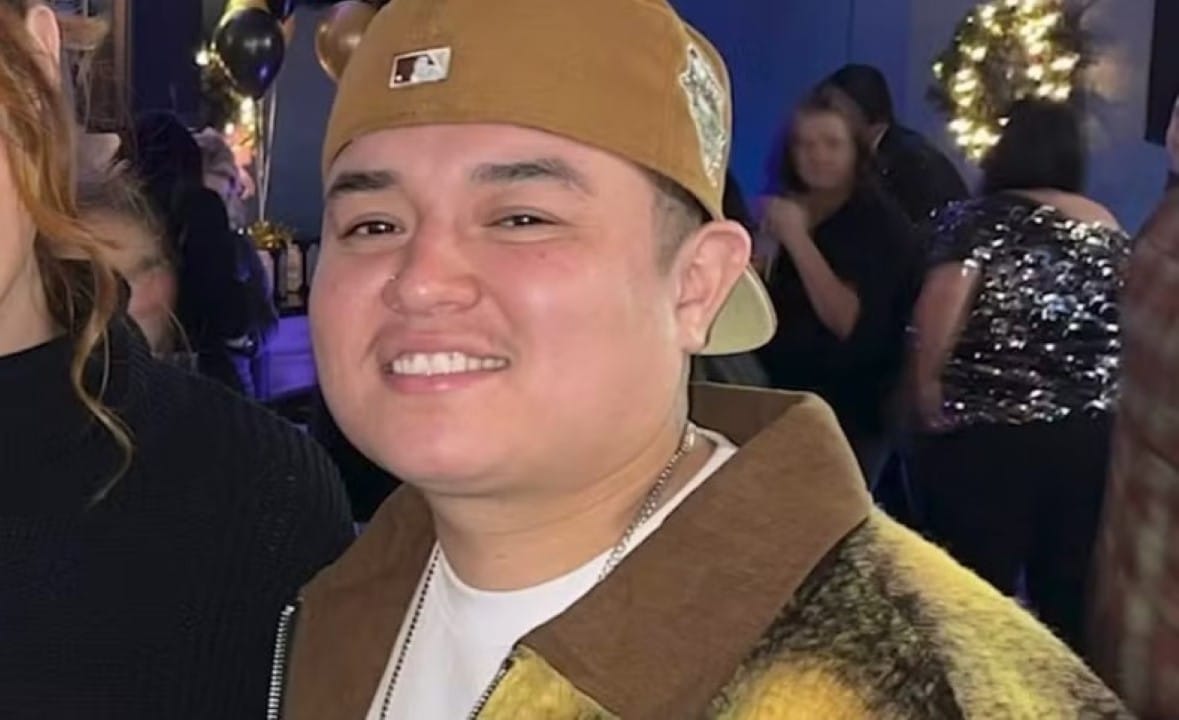
A family ofSan Jose, inCalifornia, sues a funeral home after the father received fragments of his son’s brain tissue in a bag that was supposed to contain only clothes. Alexander Pinon, aged 27, passed away on May 19, 2025, and his parents hired Lima Family Erickson Memorial Chapel for funeral services.
Family members requested the exchange of the clothes worn by the young man at the time of his death and asked for the original pieces to be returned. On June 4, the father removed a bag identified as biologically hazardous material, reported by the funeral director as containing the clothes.
Upon arriving home, the father put the contents directly into the washing machine. Ele then discovered human brain matter inside the appliance.
The father collected the material with his hands, without initially knowing that it was his son’s remains, and returned the bag to the funeral home on the same day. The funeral director, identified as Annette “Anita” Singh, received the item without offering an explanation or apology, according to the lawsuit.
Incident details
The family was unaware that a cranial autopsy had been performed, resulting in the removal of part of Alexander Pinon’s brain.
The funeral took place on June 5, with burial at Oak Hill Memorial Cemetery, in San Jose.
The contract with the funeral home cost more than $10,000 and included full services, such as embalming and body preparation.
Later revelations
Weeks after the incident, a funeral home employee anonymously reported that the material was indeed Alexander’s brain.
The complainant reported that the remains were stored in a box in the establishment’s external courtyard for around two and a half months.
Officials noted a strong odor of decomposition coming from the site.
The family never received the original clothes they requested.
Funeral home position
The company operates under the Dignity Memorial network, owned by Service Corporation International.
Company representatives said they would not comment on the case due to the ongoing legal process.
Legal action filed by the family
The family of Alexander Pinon filed a lawsuit against Tribunal Superior of Condado of Santa Clara.
The charges include negligence, fraud, breach of contract and intentional infliction of emotional distress.
Lawyer Samer Habbas represents the parents and highlights that mistakes can occur, but the attempt to hide it makes the situation worse.
The family negotiates plans to reunite the brain remains with the buried body.
Case context
Cases of inappropriate handling of human remains generate frequent lawsuits in the Estados Unidos, focusing on negligence by funeral homes.
California laws require respectful treatment of bodies and clear communication with family members about procedures such as autopsies.
The lawsuit seeks compensation for emotional damages and liability for the company.
Family members report lasting impacts, such as anxiety and trauma associated with grief.
Funeral procedures involved
- Cranial autopsies temporarily remove parts of the brain in cause-of-death investigations.
- Funeral homes must return or properly dispose of removed tissue.
- Bags with a biohazard label indicate sensitive organic content.
- Protocols require clear identification of items returned to family members.
The case of Alexander Pinon exposes flaws in internal protocols for identifying and storing human remains in funeral establishments.



