
Eve Air Mobility successfully completes first eVTOL prototype flight in Gavião Peixoto by Embraer

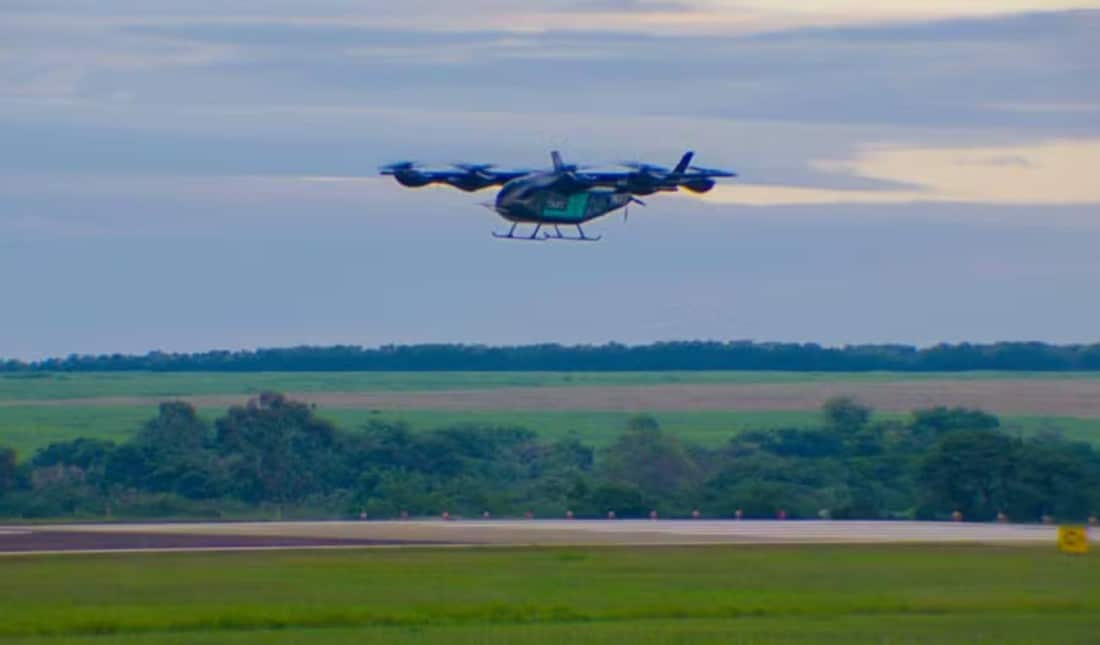
Eve Air Mobility, a subsidiary of Embraer dedicated to urban air mobility, completed the first flight of its full-scale eVTOL prototype this Friday (19). O teste ocorreu na unidade de Gavião Peixoto, no interior de São Paulo, e validou sistemas essenciais da aeronave. Esse milestone begins the flight test campaign for the electric vertical takeoff and landing vehicle.
The flight was unmanned and focused on verifying the integration of the thrusters. The company plans hundreds of additional flights in 2026 to support certification with Agência Nacional of Aviação Civil (Anac). Initial results confirmed the expected behavior of the prototype.
During testing, the team evaluated power management and noise levels. The aircraft used fifth-generation fly-by-wire controls and rotors dedicated to vertical lift.



Inaugural flight details
The prototype took off from the largest airstrip in the southern hemisphere, located at Gavião Peixoto. Esse site offers adequate infrastructure for testing large aircraft. Eve highlighted that the initial hover lasted as long as necessary to collect high-fidelity data.
The company will manufacture six additional prototypes that comply with certification standards. Esses models will be used in an intensive testing campaign over the next year. The focus remains on safety and gradually expanding the flight envelope.
Technical characteristics of eVTOL
The vehicle has eight electric thrusters for vertical lift and a pusher motor for horizontal propulsion. Essa setting allows for smooth transitions between flight modes. The model has capacity for one pilot and four passengers, with a range of up to 100 kilometers.
- Eight rotors dedicated to vertical takeoff and landing;
- Advanced fly-by-wire system for precise control;
- Integrated electric propulsion with efficient energy management;
- Optimized design for short-haul urban operations.
The aircraft aims to serve routes such as connections between airports and urban centers. Sua electric operation contributes to reduced emissions compared to conventional helicopters.
Testing and certification phase
The Eve plans to advance to wing-supported transition flights in 2026. The Essa stage will expand the aircraft’s operational envelope. Collaboration with Anac remains intense, with the agency as the primary authority for type certification.
The company has accumulated around 3,000 orders from global operators. Esses requests include airlines, leasing companies and mobility platforms. Production takes place in Taubaté, with a projected capacity of up to 480 units annually.
Current testing validates the vehicle’s overall architecture. Engenheiros collect data on dynamic response and systems integration. The unmanned prototype allows for safe testing before piloted flights.
Production and infrastructure
The factory in Taubaté has already started assembling eVTOL components. Essa unit represents a significant investment in the Brazilian industrial chain. Embraer supports the project with its experience in aircraft certification and manufacturing.
Gavião Peixoto’s infrastructure includes long runways and advanced testing facilities. Esse environment accelerates the development of new models. The Eve directly benefits from this structure to conduct complex tests.
Next steps in development
The company anticipates initial deliveries and commercial operations starting in 2027. Esse timeline depends on progress on certification. Autoridades like Anac, FAA and EASA follow the program in parallel.
Hundreds of flights are scheduled to validate performance in various conditions. Esses trials will include gradual expansion to full horizontal flights. Eve maintains a focus on safety throughout the campaign.
The model integrates exclusive air traffic management solutions. Essa holistic approach encompasses not just the aircraft, but the urban mobility ecosystem. Operadores will receive global service and maintenance support.
Global orders and prospects
Operators in several countries have expressed interest in eVTOL. The backlog reflects confidence in the project supported by Embraer. The company projects significant growth in the urban air mobility market until 2045.
The global fleet of eVTOLs could reach tens of thousands of units in the coming decades. Esse scenario includes transporting billions of passengers on urban routes. The Eve model is positioned to capture a relevant part of this demand.
Scaled production will benefit local economies by generating qualified jobs. Parcerias with suppliers strengthens the supply chain. Eve continues to attract investment to sustain development.




