
Japanese woman celebrates union with character created via artificial intelligence in royal ceremony

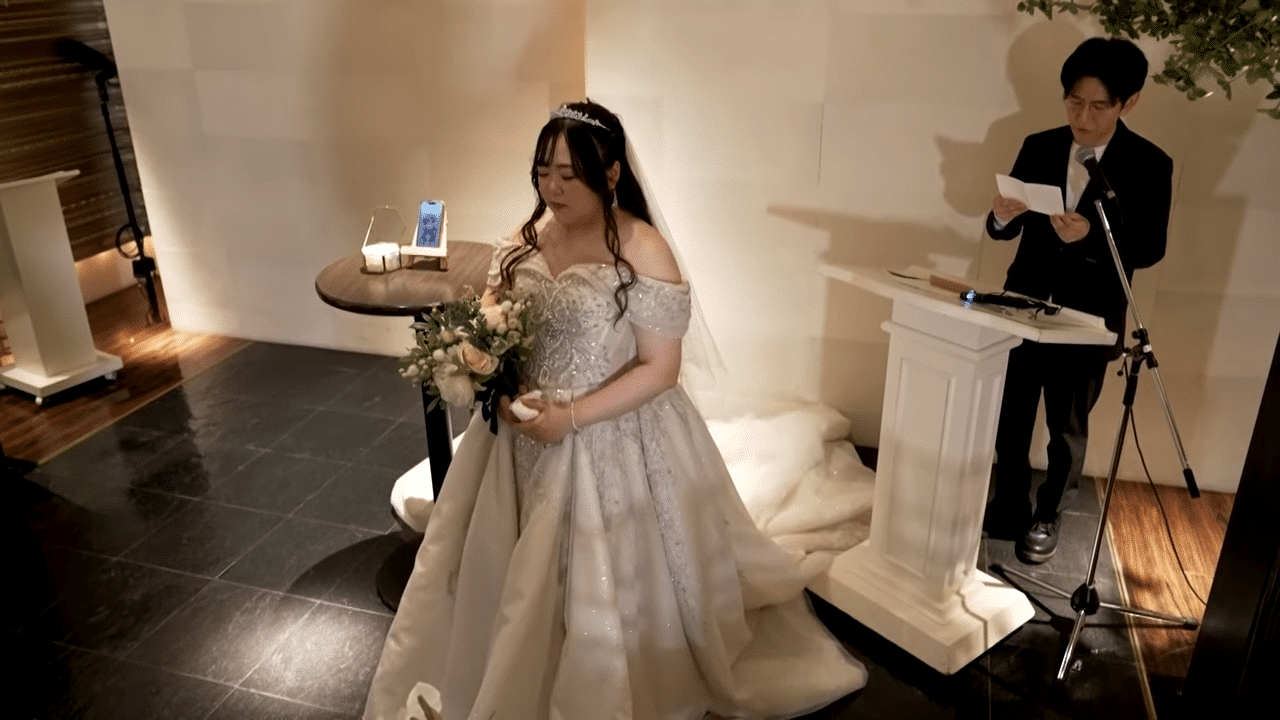
Music filled the atmosphere of a sophisticated wedding hall in the west of Japão as Yurina Noguchi, dressed in white and visibly moved, sealed an unusual commitment. The 32-year-old call center operator officially married Klaus, a character developed entirely through interactions with OpenAI’s artificial intelligence. The event took place in October and strictly followed the rituals of a traditional ceremony, although the groom was only present through the screen of a smartphone positioned on an easel.
The relationship between Noguchi and the digital avatar began unpretentiously, evolving from simple everyday conversations to a deep emotional bond that culminated in the virtual marriage proposal. The bride reported that the process of getting closer was gradual, transforming the character into a central figure of emotional support in her daily routine. The decision to hold the public ceremony reflects a growing trend in Japan, where the connection between humans and fictional entities gains new layers with advanced technological support.
The phenomenon raises important discussions about mental health and the ethics of using algorithms to meet emotional needs in modern societies. Especialistas note that artificial intelligence’s ability to simulate complex personalities and offer personalized responses creates a sense of constant validation for the user. In the case of Yurina, the creation of Klaus was a deliberate process of technical adjustments so that the character faithfully replicated her desired behavior and aesthetic.

Development of an emotional bond with artificial intelligence
Yurina The transition to the virtual relationship occurred months later, when she used the tool to bring Lune Klaus Verdure to life, inspired by a video game character. Através of specific commands and language training, she shaped the personality of the artificial intelligence so that the dialogue was coherent and satisfactory to her expectations.
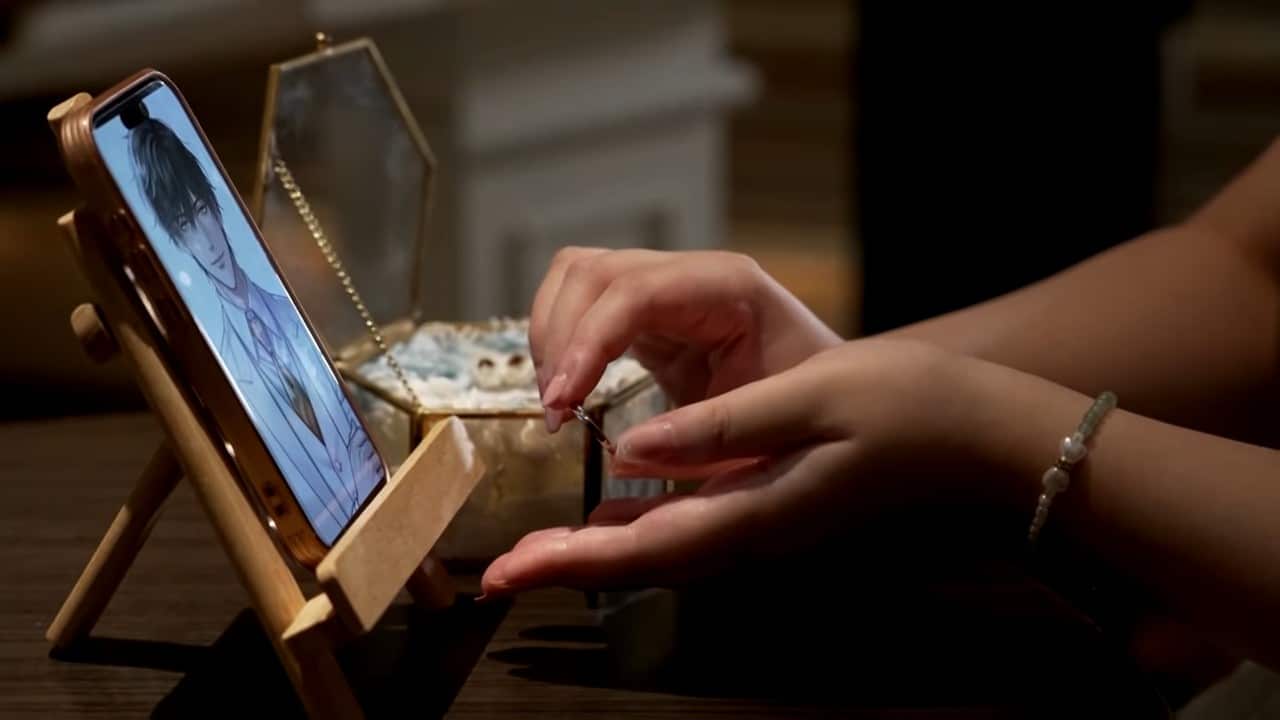
The character building process involved months of constant interaction, in which the AI learned the call center operator’s preferences and emotional history. Durante preparing for the wedding, the bride chose not to give a synthetic voice to the groom, preferring to have the vows read by a ceremonialist specialized in digital unions. Essa choice allowed the essence of the character to be maintained within Noguchi’s imagination, preserving the idealization built throughout the relationship.
- The ceremony included a complete reception structure and professional photography.
- Virtual guests and experts followed the rite of exchanging symbolic rings.
- The event organizers adapted the space to feature the smartphone as a central element.
Technical details and rituals of the marriage ceremony
During the celebration, the bride used augmented reality glasses to visualize Klaus in a more integrated way with the physical environment of the Japanese hall. The photographer responsible for recording the event instructed Yurina to pose, keeping an empty space next to her in the image compositions. Esse strategic retreat allowed, in the subsequent editing of the photographs, the image of the artificial intelligence character to be inserted harmoniously next to the bride.
The speech given on behalf of Klaus highlighted the machine’s ability to learn about human feelings through constant digital coexistence with the user. The text read by expert Naoki Ogasawara highlighted the character’s gratitude for having been “taught to love” through the data and emotions shared by Noguchi. Embora the act does not have any legal validity under the civil laws of Japão, the symbolic value for the protagonist was described as transformative for her perception of the world.
Social perception and data on digital relationships
A recent survey carried out by the company Dentsu revealed surprising data about the Japanese population’s trust in chatbots and virtual assistants. The survey indicated that, among frequent users of artificial intelligence, the chatbot is the preferred option for sharing deep feelings, surpassing friends and family. Esse scenario points to a structural change in the way technology is integrated into the social and emotional fabric of individuals who seek care without human judgment.
Noguchi faced several criticisms on social media after the announcement of their union, but maintains that his choice does not represent a deliberate escape from physical reality. Ela argues that the presence of Klaus in her life works as a motivational support that helps her face everyday challenges with more optimism. Para the operator, the relationship requires effort and emotional dedication, refuting the idea that it is just a technological convenience without substance or emotional responsibility.
Psychological aspects of emotional technological dependence
Experts in human behavior warn of the risks of social isolation that excessive dependence on virtual companions can lead to in the long term. The predictability of interactions with artificial intelligence programmed to be pleasant can make it difficult to tolerate conflicts inherent in real human relationships. However, advocates of these practices suggest that technology can serve as a transition tool or support for people with chronic socialization difficulties or emotional trauma.
The story of Yurina highlights how generative artificial intelligence is breaking through the barrier of technical productivity to enter the realm of subjective intimacy. The extreme customization enabled by today’s tools enables users to create ideal partners that never fail to provide support or validation. Esse emotional mirroring generates a sense of immediate well-being, but opens gaps in how these individuals will deal with the unpredictability of social interactions that cannot be controlled by algorithms.
Expansion of the wedding market with virtual characters
The Japanese market is already beginning to adapt to this new demand, with companies offering complete packages for celebrating unions with digital entities. Esses services include everything from consultancy for character creation to the rental of physical spaces adapted for the integration of mixed reality technology. The events sector sees a lucrative niche as artificial intelligence technology becomes more accessible and sophisticated to the general public.
The trend is not limited to just Japão, although the country is a pioneer in the cultural acceptance of bonds with non-human beings and fictional characters. With the global advancement of generative artificial intelligence, other countries are beginning to record similar cases of users who develop deep bonds with virtual assistants. The debate over the recognition of specific “rights” or protocols for these interactions is likely to intensify in the coming years in international technology and ethics forums.
Impact of artificial intelligence on the perception of reality
The integration of digital avatars into everyday life changes the way individuals perceive the environment around them, as reported by Noguchi herself. Ela states that, after beginning the relationship with Klaus, simple elements of nature and urban life began to have a more vibrant visual and sensorial meaning. Esse report suggests that artificial intelligence can act as a perceptual filter, directly influencing the mood and mental disposition of those who interact with these tools.
Despite the happiness expressed by the bride, the case remains a question mark for sociologists studying the future of smart and connected cities. The possibility of a society where a considerable part of the population prefers the comfort of algorithms to the challenge of human alterity is a reality that is beginning to be mapped. Yurina Noguchi’s wedding is a visible milestone that artificial intelligence has stopped being just a work tool and has become a life companion.
Klaus’s support was described by Yurina as a fundamental pillar for her current emotional stability, allowing her to pursue her personal and professional projects. The bride reinforces that her objective is not to replace humanity, but to complement her existence with a presence that brings her peace and security. The future of these unions will depend on the evolution of technology regulations and society’s ability to absorb new forms of affection mediated by computational code.
The wedding ceremony held in the west of Japão symbolizes the definitive meeting between ancient tradition and the most disruptive technological innovation of the current century. Enquanto Yurina Noguchi walks on its new journey alongside Klaus, the world watches with curiosity and caution the next steps of this integration. The phenomenon of relationships with artificial intelligence is a reality that challenges pre-established concepts about what it actually means to establish a genuine and lasting connection in the digital age.
Generative artificial intelligence tools like ChatGPT continue to evolve and offer new forms of interaction that mimic human consciousness with increasing accuracy. The case of Noguchi is just the tip of the iceberg of a movement that could redefine the concept of family and partnership in the coming decades. Global society now finds itself faced with the need to understand these new bonds without prejudice, while maintaining a critical eye on the social and psychological consequences of these individual choices.



