
Nintendo’s ban for pirated used games warns consumers about risks in marketplaces

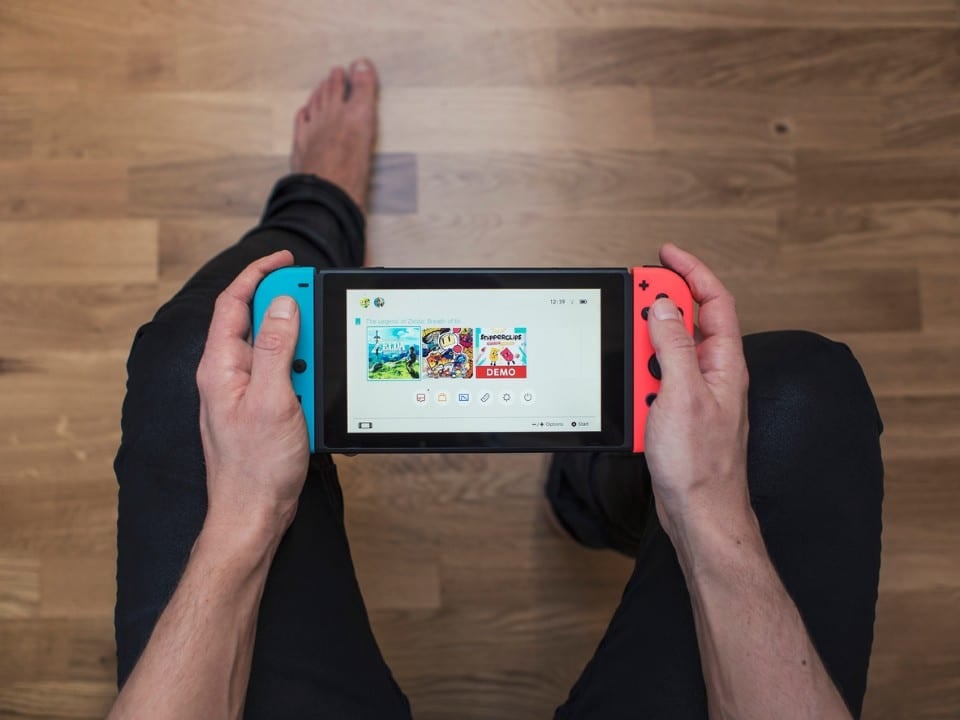
A player faced a bricking of his Nintendo Switch console after using used game cartridges purchased from online platforms, which turned out to be unauthorized copies. The incident, which gained repercussions in the gaming community, was caused by the company’s rigorous DRM protection system, which identified irregularities in the games’ codes. The punishment prevented the user from accessing all online services, including original titles purchased digitally.
The player’s situation, which occurred on national territory, exposes a growing concern in the second-hand market: the circulation of pirated cartridges without buyers’ knowledge. Muitos seek to save money due to the high prices of new games, but end up vulnerable to fraud that can result in severe sanctions. The episode serves as an important warning about the need for caution when purchasing games outside of official channels.

Após contact Nintendo support and provide the necessary proof of purchase, the ban has been reversed. Apesar of the positive resolution, the experience reignited the debate about Nintendo’s policy on combating piracy and the way it affects consumers who act in good faith, raising questions about the security of transactions on marketplaces.
Nintendo digital protection system and piracy
The Nintendo employs a sophisticated Gestão of Direitos Digitais (DRM) system that assigns a unique code to each physical cartridge of its games. Essa technology is essential to curb piracy, but it can create inconvenience for unsuspecting consumers who purchase counterfeit products. The system is designed to identify and block consoles that use duplicate codes, a clear sign of unauthorized copying.
Quando an original cartridge is replicated for pirated devices and sold, the same unique code can be accessed by multiple consoles simultaneously. Esse scenario is immediately detected by DRM as a violation of usage policies, resulting in automatic bans. The system’s accuracy aims to protect the company’s intellectual property, but does not distinguish the user’s intent.
Second-hand market and the dangers for consumers
The used game market represents an economic alternative for many players, especially in the country, where Nintendo releases can cost between R$300 and R$400.
The demand for second-hand games is driven by the high costs of original titles, making it a significant segment. Contudo, this reality exposes consumers to considerable risk, as the origin of the cartridges is not always verifiable. Nintendo’s strict policy, while understandable in its fight against piracy, has sparked discussions about the company’s responsibility to educate consumers about these risks.
The constant search for more affordable prices, without due attention to the origin of products, turns consumers into an easy target for malicious sellers. The complexity of identifying a pirated cartridge visually adds an extra layer of difficulty, reinforcing the need for reliable sources.
Procedures for reversing a ban
The player who had his console blocked managed to reverse the situation in a few days, thanks to the agility of Nintendo support. The process involved direct contact with the customer service team, presentation of the console ID, details of the games involved and, crucially, proof of purchase of the cartridges. Analysis of the documentation was essential to prove the user’s good faith.
Nem all cases, however, find a solution as quick or favorable. The absence of invoices or other supporting documents can make it extremely difficult to reverse the ban. Nintendo recommends that players use official service channels, such as the website or regional support, and avoid purchases on marketplaces without due verification.
The company clarifies that it does not offer guarantees for products purchased outside its network of authorized resellers, which highlights the importance of taking precautions. Tax documentation is the main consumer protection tool in situations like this, ensuring proof of the legal origin of the product. The speed of support response may vary, but the complete presentation of information optimizes the process.
Actions by Nintendo and the gaming community
Nintendo’s stance on combating piracy is one of the most incisive in the games industry, highlighted by the application of automatic bans without prior warning. Embora Although this strategy protects the company’s commercial interests, it has drawn criticism for impacting legitimate users who, without their knowledge, purchase counterfeit products.
On forums and social networks, the gaming community has expressed the need for more flexible policies, such as implementing alerts before a definitive ban. Sugere Nintendo is expected to invest in educational campaigns to inform about the dangers of counterfeit cartridges and the importance of verifying the authenticity of products.
Prevention and security when purchasing games
Para To avoid problems such as console bans, it is crucial that players adopt a series of safe practices when purchasing games, especially used ones. The main guideline is to prioritize official stores or resellers with a proven reputation, who offer guarantees of origin. Além Furthermore, it is essential to check the authenticity of the cartridge, observing details such as packaging, quality seals and barcode printing, which often present flaws in counterfeit products. Manter all proof of purchase, such as invoices and receipts, is an essential preventive measure, as these documents are the main proof of good faith in the event of a dispute. Desconfiar of offers with prices well below market value is also a valuable tip, as excessively generous promotions may indicate the sale of illicit products.
Understand the risks of online marketplaces
The popularity of online marketplaces has grown exponentially, but the lack of strict quality control on many of these platforms amplifies the risks for consumers. Pirated Cartuchos, which are often marketed as originals, are produced by copying legitimate games, and although they may work initially, Nintendo’s DRM system invariably detects fraud.
Current scenario of game consumption in the country
The country presents a complex scenario for the consumption of games, with high launch prices due to taxes and exchange rate fluctuations, which drives the search for more affordable alternatives.



