
Poco F7 and X7 Pro: detailed analysis exposes crucial differences in performance and values


The premium mid-range smartphone market in 2025 presents a tight race, with the Poco X7 Pro and the Poco F7 emerging as strong contenders for the Xiaomi. Ambos the models, launched just a few months apart, seek to captivate consumers looking for high performance without the cost of flagships.
Both devices stand out for offering cutting-edge AMOLED screens, long-lasting batteries and performance optimized for the demands of gaming and multitasking. The proposal is to deliver a fluid and immersive user experience for the most demanding audience.

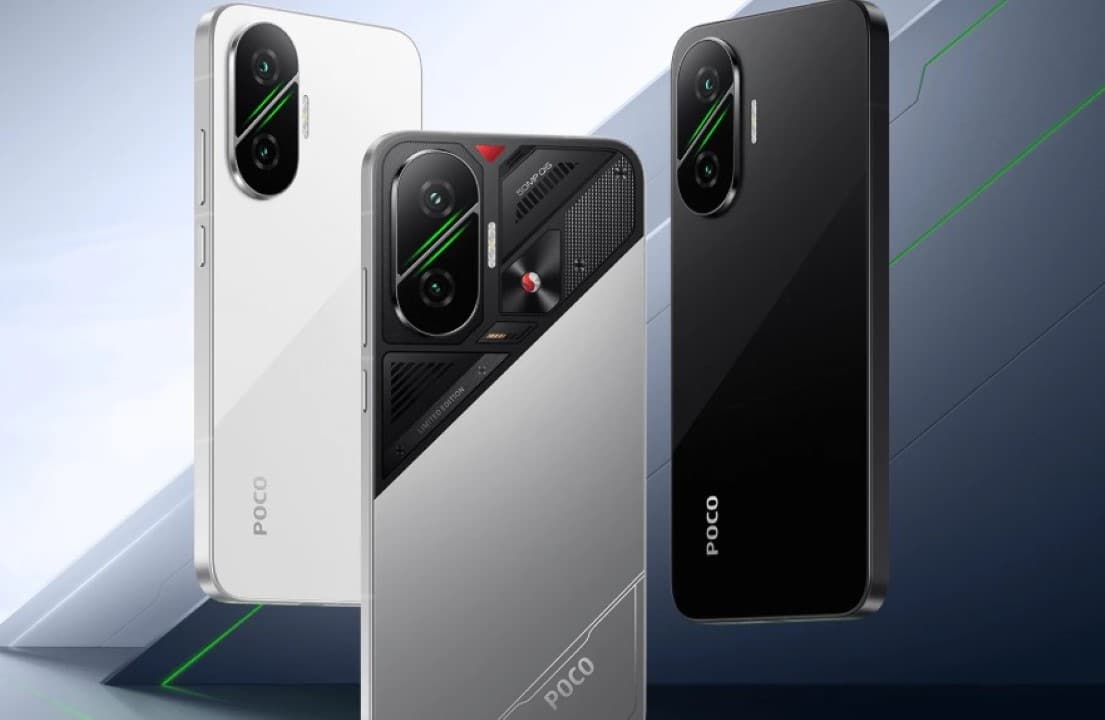
This in-depth comparison aims to uncover the particularities of each device, exploring aspects such as design, processing capacity and autonomy. The objective is to provide clear information to assist in the purchasing decision, considering the subtleties that differentiate one from the other.
Design analysis and haptic experience
The Poco F7 stands out in the design and construction category by adopting more sophisticated materials, including aluminum sides and a frosted glass back. Essa combination not only elevates the perception of quality, but also gives the device a feeling of robustness and a premium finish, characteristics often valued by users seeking durability and refined aesthetics. The F7’s ergonomics are carefully thought out to offer a secure and comfortable grip, even during long periods of use.
On the other hand, the Poco X7 Pro opts for a different approach, using a mostly plastic body with flat sides. Embora this choice may suggest less sophistication in direct comparison, it contributes to a significantly lower weight, around 195 grams, which makes daily handling and transportation easier. Ambos models, however, guarantee Gorilla Glass protection on the screen and are IP68 certified, proving resistance against water and dust, an important difference for the longevity of the devices.
Processing power and gaming performance
In terms of processing, the Poco F7 demonstrates a notable advantage thanks to its Snapdragon 8s Gen 4 chipset, which provides greater stability and fluidity in demanding applications and games. Testes benchmarking and hands-on experience on titles like Genshin Impact and Delta Force reveal superior frame consistency, ensuring smoother, stutter-free gameplay. Additionally, the F7’s advanced cooling system efficiently manages temperature, minimizing throttling and maintaining performance over extended sessions.
The Poco X7 Pro, equipped with the MediaTek Dimensity 8400 Although its AnTuTu score, which is close to 1.7 million, is slightly lower than the F7’s more than 2 million, the X7 Pro maintains an excellent level in multitasking and running applications that demand greater computing capacity. The architecture of the Dimensity 8400 Ultra is designed to balance power and efficiency, making it a competent choice for most users.
This difference in raw power translates into specific usage scenarios where the F7 can offer an extra edge for mobile gaming enthusiasts looking for maximum graphics performance and higher frame rates. Para everyday use and most applications, both processors deliver a satisfactory experience, but the F7’s Snapdragon 8s Gen 4 ensures greater longevity in terms of capacity for future game and software updates.
Battery, autonomy and charging efficiency
Battery life is a crucial point for any smartphone, and in this regard, the Poco F7 stands out with its robust 6,500 mAh battery, which guarantees superior duration in conditions of intense use. Análises of consumption in eight-hour cycles shows that the F7 tends to have lower energy consumption compared to its direct competitor, which translates into more hours of screen time and less worry about recharging throughout the day. Essa extended capacity is particularly beneficial for users who rely on the device for work, extended entertainment, or travel.
The Poco X7 Pro, in turn, comes equipped with a 6,000 mAh battery, which is optimized to offer high energy efficiency. Although the nominal capacity is slightly smaller, improved power management by the system and processor allows the X7 Pro to also deliver considerable autonomy, often enough for up to two days of moderate use, similar to the F7. Ambos models share the advantage of 90 W fast charging, a technology that allows a full charge to be reached in less than an hour, providing convenience and agility for the user.
The lack of native wireless charging on both devices is a factor to be considered, although it is a less common feature on smartphones in this price segment. The speed of wired charging makes up for this shortcoming for many, ensuring downtime is kept to a minimum. Software optimization to extend battery life is also a differentiator, adapting energy consumption to the user’s routines.
Specific continuous video playback tests confirm that the Poco F7 has a marginal advantage, managing to sustain more hours of streaming before needing a new charge. Isso reinforces its position as an excellent option for media and entertainment consumption.
Photo quality and video capability
In the camera department, both the Poco X7 Pro and the Poco F7 share a very similar main configuration, both equipped with a 50 MP main sensor, accompanied by an 8 MP ultrawide lens. Para selfies and video calls, the 20 MP front camera on both models ensures good quality recordings. Essa parity in hardware specifications, however, does not mean identical results, as image processing is a determining factor.
The Poco F7 tends to produce truer-to-life colors in daytime photographs, with accurate white balance and sharp details. Sua software optimization, often driven by the Snapdragon chipset, contributes to post-processing that enhances the naturalness of scenes. Já o X7
Both devices have optical image stabilization (OIS) on the main lenses, a key feature for clear photos in low-light conditions and more stable videos. The ability to record in 4K with good quality in well-lit environments is an expected standard for this category, and both models deliver competent results in this regard. The X7 Pro even adds a 2MP macro lens, offering an option for detailed close-ups, although its usefulness may vary for different user profiles.
HyperOS system differences and connectivity
Both devices operate with HyperOS, the Xiaomi user interface based on Android 15, which brings a series of optimizations and advanced features. The system offers a fluid and customizable experience, with improvements in memory management and energy efficiency. Recursos of artificial intelligence are integrated to enhance several functionalities, from intelligent image editing, which allows you to remove unwanted objects or improve the quality of photos automatically, to predictive battery optimizations, which learn from the user’s use to maximize daily autonomy. Connectivity is also a strong point, with 5G support for ultra-fast speeds, NFC for contactless payments and Wi-Fi 6, which guarantees more stable and faster wireless connections on compatible networks, in addition to stereo audio with Dolby Atmos support, providing an immersive sound experience in games and multimedia.
Market positioning and costs
The Poco X7 Essa configuration highlights excellent cost-benefit for those looking for high performance without a high investment.
On the other hand, the Poco F7, with its basic configuration, costs around R$2,700. The higher price is justified by the latest hardware and superior construction, which includes premium materials and a cutting-edge processor.
Both models offer RAM options of up to 12 GB and storage of up to 512 GB, meeting diverse user needs. Availability varies between online retailers, with price fluctuations and regional offerings.




