
Xiaomi confirms end of support for popular models Redmi Note 12 and Poco F5 until 2026


Xiaomi announced the discontinuation schedule of software support for several popular smartphones, including the Redmi Note 12 series and Poco F5 series. The measure, which will extend until 2026, signals the end of HyperOS operating system updates and new versions of Android for these devices, which directly impacts the experience of thousands of users around the world. The decision is part of the company’s strategy to focus its resources on newer models and the evolution of its software ecosystem.
With the end of support, owners of these devices will no longer receive the latest functionality, performance, or security innovations that come with new iterations of HyperOS and Android. Isso implies that after the final updates promised for some models, devices will remain on the software version they are currently on, gradually becoming more vulnerable to security flaws and incompatible with future applications.
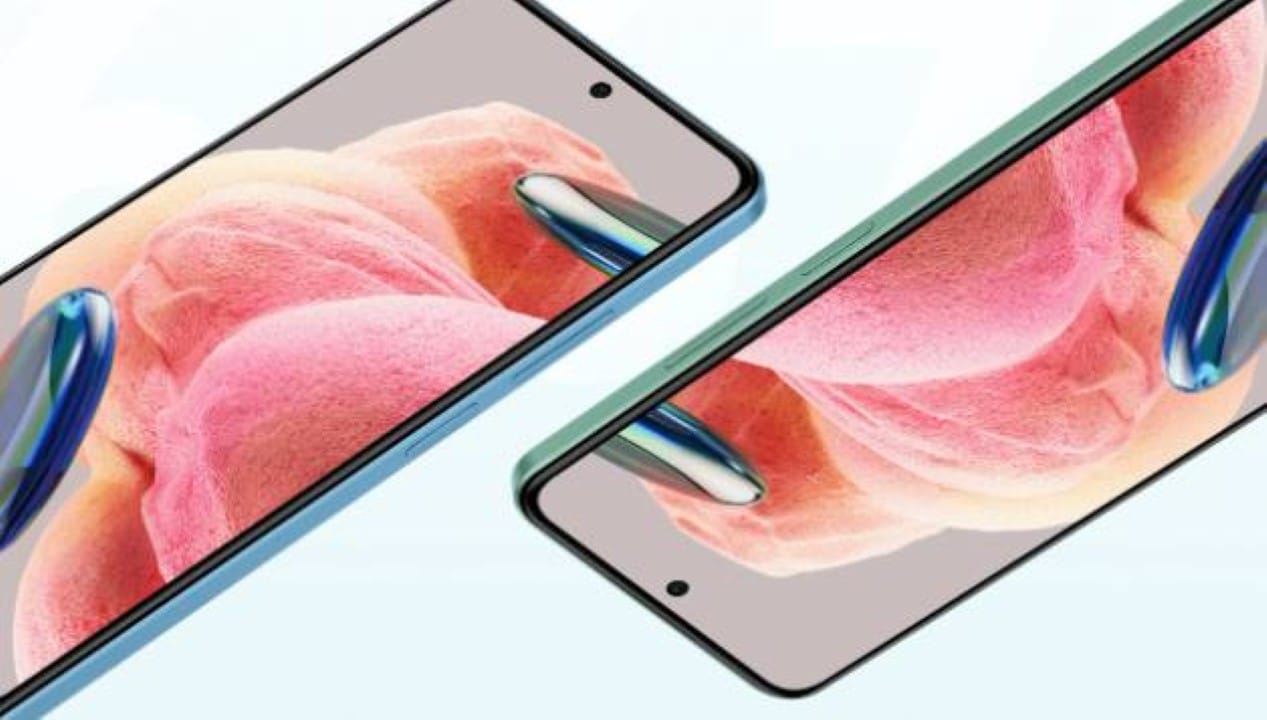
The affected models represent a significant portion of the market, especially those launched between 2022 and 2023. The list includes not only the Redmi Note 12 line and the Poco F5, but also several devices from the Xiaomi 12 series, consolidating an important transition in the Chinese manufacturer’s update policy.
Xiaomi and HyperOS update policy
Xiaomi’s update policy has undergone a restructuring with the introduction of HyperOS, its new operating system that replaces MIUI. The company seeks to offer a more integrated and optimized experience on its devices, but this implies that older models, with limited hardware, will not be able to keep up with the demands of the new software.
This transition is crucial for Xiaomi as it aims to standardize the user experience across its vast product portfolio, from smartphones to smart home devices. However, the decision to discontinue support for models that are still widely used raises questions about the longevity of the devices and consumer loyalty.
Closing Details for Series Xiaomi 12
For users of the Xiaomi 12 series, the news brings a mix of relief and concern. The Xiaomi 12 and 12 Pro models are still scheduled to receive a major HyperOS update, which will include version
The models Xiaomi 12X and 12 Lite will have a slightly different trajectory. Estes devices must receive a final update to HyperOS, but with version Android 14. The distinction reflects the hardware specifications and market positioning of each device within the Xiaomi lineup.
The Xiaomi 12T and 12T Pro devices, in turn, are also on the list to receive a final HyperOS update. However, the company did not specify the exact version of Android that will accompany this latest update, indicating that the main focus is integration with the new system of Xiaomi itself.
The future of the Redmi Note 12 line
The Redmi Note 12 line, known for its cost-benefit, faces a varied scenario. The Redmi Note 12 Pro+ 5G and the Redmi Note 12 Esta is relevant news for users who hoped to extend the life of their devices with the latest features.
However, the Redmi Note 12 5G and Redmi Note 12 4G models will have different destinations. Enquanto the 5G version will have its support completely ended, the Redmi Note 12 4G will still receive a final HyperOS update. Esta differentiation can be attributed to market variations and the user base of each version.
The decision directly impacts the perceived longevity of these smartphones, which were launched with the promise of a competitive life cycle. From 2026 onwards, the lack of security updates and compatibility with new applications could become a limiting factor for users.
Poco models affected by the change
The Poco sub-brand, focused on performance and competitive prices, will also have models impacted by the new policy. The Poco F5 5G, a favorite among technology enthusiasts, will receive one last HyperOS update, ensuring users will enjoy the latest interface improvements before end of support in 2026.
On the other hand, the Poco X5 Pro 5G and Poco X5 5G are among the devices whose support will end completely. Isso means that, after the deadline established by Xiaomi, these devices will no longer have access to new versions of the operating system or security patches.
Xiaomi’s strategy with the Poco line aims to encourage migration to more recent models, which already come with HyperOS from the factory or are scheduled to receive the most consistent updates. Para users, paying attention to support deadlines is essential to plan future acquisitions or alternative uses.
Impact to users and considerations
Ending support for these models Xiaomi, Redmi, and Poco in 2026 raises a number of important considerations for consumers. The main one is the issue of security. Sem With regular security updates, devices may become more vulnerable to malware attacks and other cyber threats. Além Furthermore, incompatibility with new applications or loss of functionality in existing apps can degrade the user experience over time. To mitigate these risks, some users may resort to custom ROMs, although this is a solution that requires technical knowledge and may invalidate the device’s warranty. Xiaomi, with this policy, seeks to optimize its development resources, focusing efforts on the devices that drive its sales and most recent innovations, encouraging an update cycle on the part of consumers.
Transition to new operating systems
The transition to HyperOS is a pillar of Xiaomi’s strategy to unify its user experience. The company has invested significantly to ensure its new operating system is robust and offers enhanced functionality.
This movement is a response to the growing demand for integration between devices and more fluid performance, in line with technology market trends. The discontinuation of support for older models is, in part, a reflection of the complexity of keeping software up to date on such a wide range of hardware.
Longevity and market expectations
Xiaomi’s decision to end support for models as recent as those launched in 2022 and 2023 reflects a trend in the smartphone industry, where the software lifecycle is increasingly defined. While the company promises a reasonable period of updates for its flagships, mid-range and entry-level lines tend to have more limited support.
For consumers, this means a greater need for research and planning when purchasing a new device, considering not only the hardware specifications, but also the software update policy. The expectation is that, in 2025, the new releases of Xiaomi will already come with a clearer support plan aligned with the expectations of users who seek greater longevity for their devices. The technology market is constantly evolving, and companies need to balance innovation with maintaining their user base.



