
Bolero king Lindomar Castilho passes away at the age of 85 after a career marked by successes

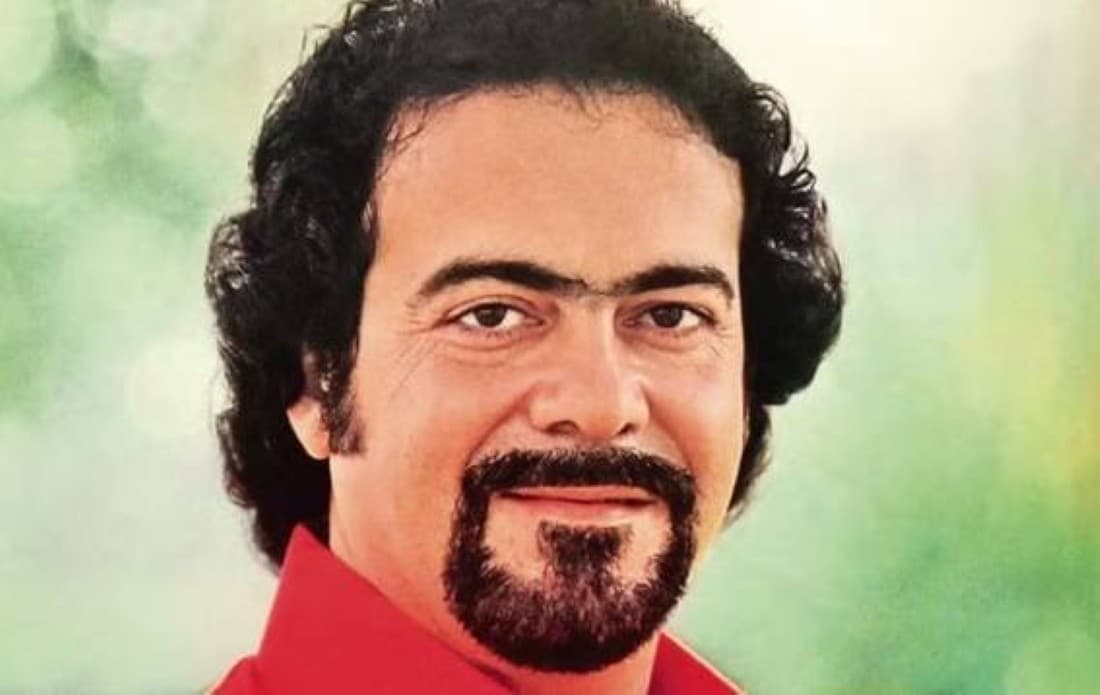
The singer The cause of death was not disclosed, and the artist lived privately in Goiânia in recent years.
Lindomar Castilho achieved great popularity with dramatic interpretations of boleros and sambas-canção. Suas songs touched radios and hearts across the country during the 1970s, when he became one of the biggest record-selling artists.
The singer’s career included hits that remain in the collective memory. Faixas as “Você É Doida Demais” gained new visibility years later, when serving as the opening theme of the series “Os
- “You Are Doida Demais”
- “I’m going to Rifar Meu Coração”
- “We Somos Dois Sem Vergonhas”
- “I Amo Sua Mãe”
- “Heart Vagabundo”
These songs highlighted the artist’s sentimental style.
Initial artistic trajectory
Lindomar Castilho was born on January 21, 1940, in Rio Verde, Goiás. Ele began his career in the 1960s, after a suggestion for a stage name by a professional at the Copacabana record label. The first LP, released in 1962, brought classics from the romantic repertoire.
The singer consolidated his presence in Brazilian popular music over the following decades. Sua’s intense voice attracted a wide audience, especially in the cheesy and romantic genre.
1981 episode
The artist’s life changed on March 30, 1981, when he murdered his ex-wife, singer Eliane from Grammont, with gunshots during her performance at a nightclub in São Paulo. Eliane was 26 years old at the time, and the couple was already separated.
Lindomar was sentenced to 12 years in prison in 1984. Ele served part of the sentence and was released in the 1990s.
The case gained national attention and contributed to debates about violence against women. The motto “those who love don’t kill” was associated with the episode.
Daughter’s reaction
Lili De Grammont, the couple’s only daughter, published a reflective text after her father’s death. Ela highlighted the impact of crime on the family and stated that the man who commits such an act also suffers profound consequences.
The publication emphasized themes such as human finitude and the need for self-knowledge. Lili mentioned that the crime destroyed family relationships and transformed lives.
She concluded by expressing a clear conscience regarding the relationship she maintained with her father in her final years. The text brought a perspective of personal evolution despite the circumstances.
Brief return to the stage
After leaving prison, Lindomar Castilho tried to resume his musical career. Ele released a live album in 2000, taking advantage of the resurgence of one of their songs in television production.
The album included reinterpretations of old hits. However, the artist faced difficulties in regaining full space in the music scene.
Gradual withdrawal
Over time, Lindomar chose a more reserved life. Problemas health problems, including a diagnosis of Parkinson in recent years, contributed to his removal from the stage.
He took up residence in Goiânia, where he maintained a discreet routine. In old interviews, the singer mentioned voluntary retirement and focusing on a peaceful life.
Persistent musical legacy
Despite the controversies, Lindomar Castilho’s songs continue to be present in Brazilian popular culture. Muitas tracks are part of collections of romantic and cheesy music.
The dramatic style influenced later artists in the genre. Sucessos as “Você É Doida Demais” and “Vou Rifar Meu Coração” receive regular airplay on radio and digital platforms.
The singer also recorded during a period of seclusion, with an album that reflected personal experiences.
Wake details
Lindomar Castilho’s wake takes place this Saturday, from 1pm, at Cemitério Santana, in Goiânia. Familiares and acquaintances follow the moment.
The city of Goiânia, where the artist lived, records the departure of a figure linked to Goiás and national musical history.
Reflections on violence
The case involving Eliane of Grammont remains a reference in discussions about domestic violence in Brasil. Ele contributed to advances in women’s protection policies over the decades.
Movements at the time mobilized civil society. Instituições as victim support houses are named after the singer in some regions.
Last years of health
Lindomar Castilho has faced health weaknesses in recent years. Condições like Parkinson have affected your daily routine.
He lived in an apartment in the capital of Goiás, with limited family support. The daughter kept in touch in the final periods.
Influence on brega music
Lindomar Castilho was part of a generation of artists who popularized romantic brega. Seu repertoire included passionate ballads that portrayed intense love.
Colleagues like Odair José and Agnaldo Timóteo shared a similar space in the music market at the time.
Record production
Throughout his career, the singer released several albums. Trabalhos in the 1970s saw peak sales.
The 2000 album represented an attempt at rapprochement with the public. Faixas live captured the essence of classic performances.
Family and relationships
Lindomar had a daughter with Eliane from Grammont, born before the separation. Lili grew up in family care after the events of 1981.
She developed a career in artistic areas and activism. The relationship with his father resumed years after his arrest.
Cultural context of boleros
The bolero gained strength in Brasil through interpreters like Lindomar Castilho. The genre, of Cuban origin, adapted to the local audience with sentimental lyrics.
Performances on radio and television programs boosted the singer’s career.
Presence in recent media
Songs by Lindomar have appeared on soundtracks for audiovisual productions. The use in humorous series brought visibility to the new generation.
Streaming platforms maintain a catalog available. Ouvintes access classic hits regularly.
Impact on Goiânia
The nearby hometown of Lindomar records the loss of an illustrious countryman. Artista maintained a connection with Goiás roots throughout his life.
Final residence in Goiânia marked a period of seclusion.
Fan memories
Fans remember the singer’s emotional interpretations. Shows of the 1970s brought together crowds in different regions.
Fan base preserved appreciation for the musical work despite personal controversies.
Evolution of the romantic genre
The style defended by Lindomar influenced developments in country music and romantic forró. Elementos dramas persist in current productions.
Contemporary artists cite classic cheesy references.
End of trajectory
The death of Lindomar Castilho closes a chapter in Brazilian popular music. Legado is divided between artistic contributions and a landmark episode from 1981.
Family members deal with the moment in a reserved manner.



