
US Coast Guard seizes second oil tanker near Venezuela after Trump announces blockade

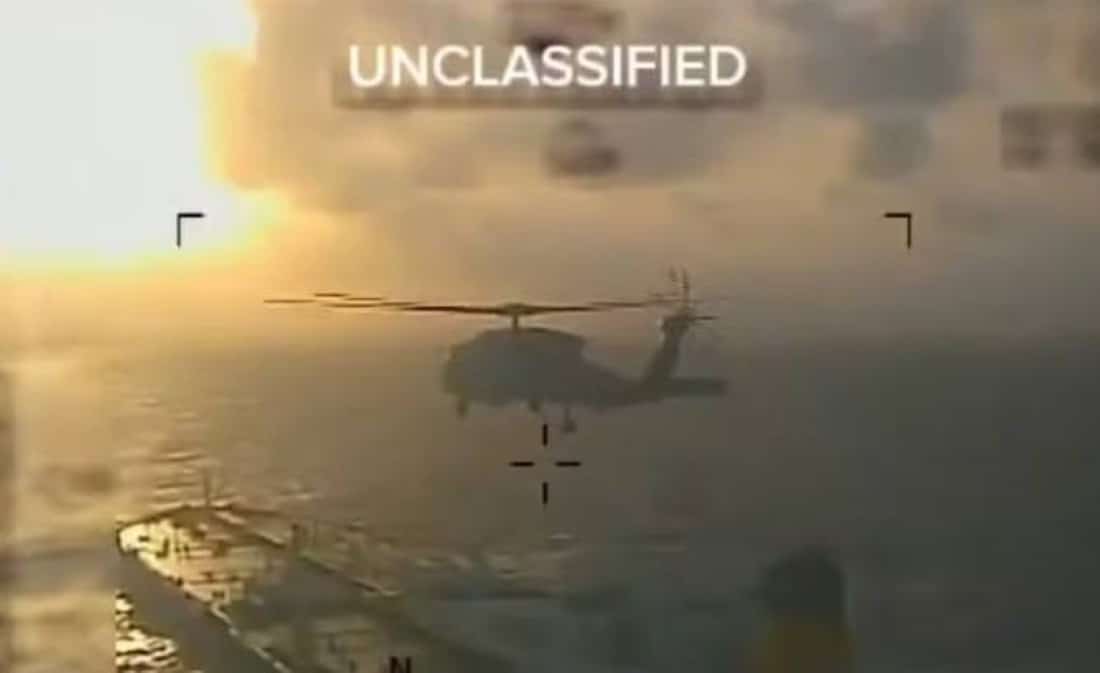
The Guarda Costeira of the Estados Unidos, with support from the Departamento of the Defesa, intercepted and seized a Panamanian-flagged oil tanker in international waters of the The vessel, identified as Centuries, had recently docked at Venezuela and was transporting crude oil from the country. The operation took place days after President Donald Trump announced a total blockade of sanctioned ships entering or leaving Venezuela.
In a pre-dawn action early this morning on Dec. 20, the US Coast Guard with the support of the Department of War apprehended an oil tanker that was last docked in Venezuela.
—Secretary Kristi Noem (@Sec_Noem)December 20, 2025
The United States will continue to pursue the illicit movement of sanctioned oil that is used to fund…pic.twitter.com/nSZ4mi6axc
Segurança Interna’s secretary, Kristi Noem, confirmed the action in a post on social media and highlighted that the ship was boarded before dawn. Ela emphasized that the Estados Unidos will continue to combat the illicit transportation of oil under sanctions, associated with the financing of illegal activities in the region. Essa is the second seizure of its kind in December, after the interception of the oil tanker Skipper on the 10th.
- The vessel was not on the US Departamento sanctions list.
- The crew offered no resistance during the approach.
- The ship was heading towards Ásia with a load of Venezuelan oil.
The Venezuelan government reacted to the first seizure by classifying it as an act of international piracy. Autoridades of Caracas maintain that American actions violate international law and target the country’s natural resources.
Operation of Guarda Costeira
The approach to Centuries involved helicopters and specialized teams from Guarda Costeira. Imagens published shows soldiers descending to the deck of the ship in a coordinated operation. Fontes Americans indicate that the action followed security protocols and recorded no incidents.
The tanker was carrying up to 2 million barrels of heavy crude oil. Essa cargo represents a significant portion of Venezuelan exports, which depend heavily on the oil sector for revenue.
Block context announced by Trump
President Donald Trump decreed the blockade of sanctioned ships a few days before this seizure. The measure aims to interrupt the flow of oil which, according to Washington, finances illicit activities. The American military buildup in Caribe includes aircraft carriers and dozens of warships.
US authorities say the operations combat illegal oil transportation networks. Elas involve vessels that evade sanctions imposed on Venezuela and other countries.
International reactions
The Venezuela government denounced the actions as a violation of sovereignty and free trade. Aliados as well as Irã expressed solidarity and offered cooperation in countering the American measures. The previous seizure had already generated condemnation in regional forums.
Countries in the region monitor the increase in US military presence in Caribe. Analistas point out that interceptions increase tensions in a strategic area for maritime trade.
Details of the seized vessel
The Centuries is a supertanker with capacity for large volumes of crude oil. Ele had recently left Venezuelan ports and was sailing on commercial routes for Ásia. The Panamanian flag is common on ships operating on international routes under sanctions.
Maritime tracking data confirms that the vessel was intercepted east of Barbados. The operation took place in international waters, which facilitates enforcement actions by the USA.
Impacts on Venezuelan exports
The seizures directly affect the oil sales of PDVSA, the Venezuelan state-owned company. Exportações have fallen since interceptions began, with ships hesitant to leave ports. Venezuela has the largest proven oil reserves in the world, estimated at more than 300 billion barrels.
Asian buyers, the main destinations for Venezuelan crude, adjust routes to avoid risks. Isso includes the use of shadow fleets that hide origins and destinations.
Military presence in Caribe
The Estados Unidos maintain a significant fleet in the region, justified as a means of combating drug trafficking. Inclui warships, submarines and patrol aircraft. The Comando Sul coordinates operations, which include regular interceptions.
Venezuela responded with naval escorts to some tankers on previous sorties. Não there are records of direct confrontations so far.
Recent tension history
The first seizure, of Skipper, occurred on December 10 and involved oil linked to sanctioned networks. At the time, American military personnel approached the ship with helicopters. The blockade was announced soon after, increasing pressure on the Nicolás Maduro government.
American sanctions on Venezuela date back years, but physical interceptions of ships are rare. Elas mark an escalation in the application of economic measures.
American official position
Kristi Noem reiterated her commitment to stopping illicit oil flows. Ela highlighted Pentágono’s support for Guarda Costeira’s operations. Autoridades emphasize that the actions follow court orders and target criminal networks.
Departamento of Justiça monitors investigations related to sanctioned vessels. Previous Casos involved oil from other embargoed countries.
Outlook for the oil sector
Analysts predict a reduction in Venezuelan exports in the short term. Navios loaded remain anchored awaiting clarity on risks. Preços of oil registered variations with the news of interceptions.
Venezuela seeks alternatives to transport production, including agreements with allies. However, logistical limitations persist due to sanctions.



