
Nissan N6 plug-in hybrid introduced in China, 4.83 m sedan achieves 180 km electric

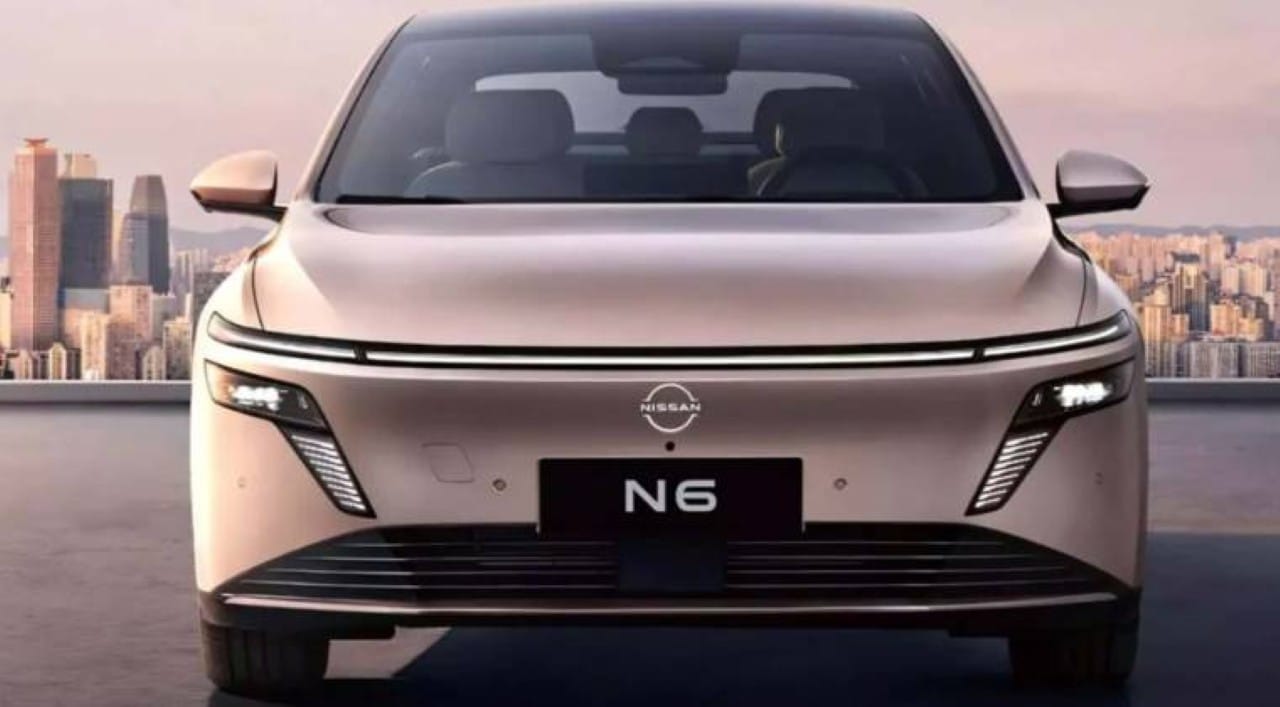
Nissan recently introduced the N6, a new plug-in hybrid sedan developed in partnership with Dongfeng, aimed exclusively at the Chinese market. Este strategic launch highlights the Japanese automaker’s commitment to the growing segment of electrified vehicles and sedans in the region, one of the largest and most dynamic global automotive markets.
The model stands out for its generous dimensions, surpassing the Sentra already known in the Brasil, and for its electric autonomy capacity. The novelty is built on the versatile Tianyan platform, which allows adaptation to different propulsion configurations.
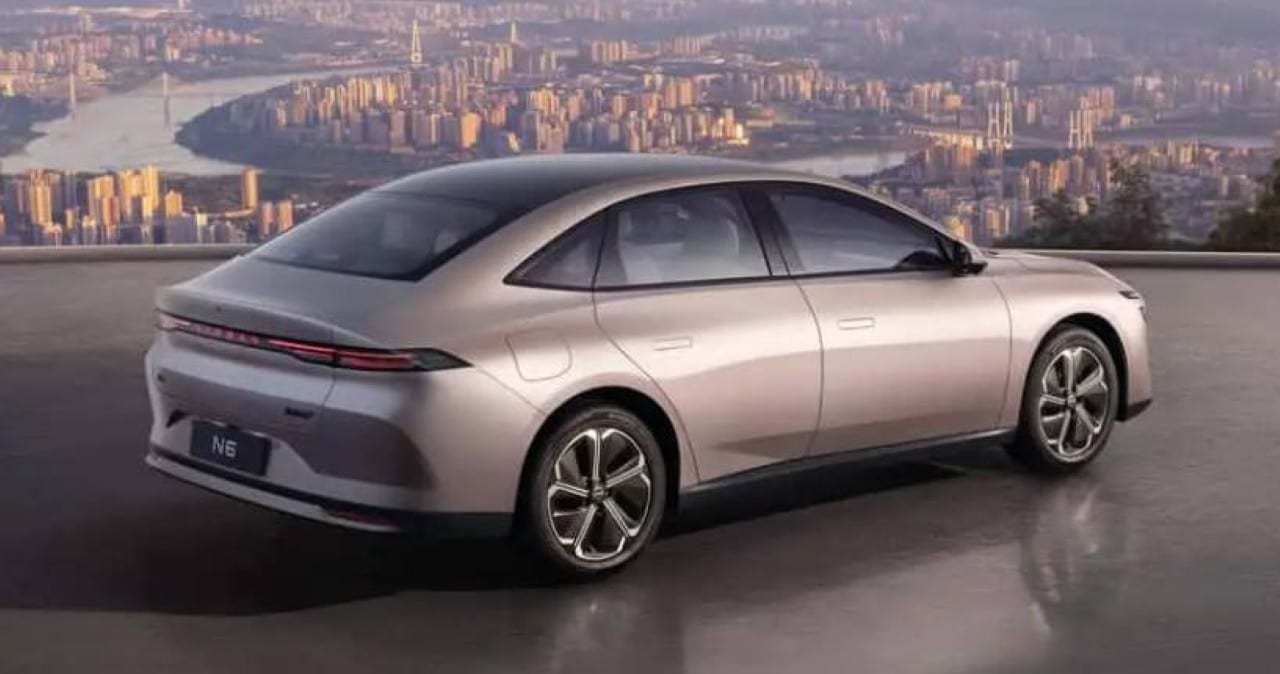
The arrival of the N6 reinforces the Nissan product line in the China, offering an intermediate option that combines the efficiency of electrification with the space and comfort expected in a large sedan. The strategy aims to meet local demands for more sustainable vehicles with a modern design.
Design and technology on board
The N6’s look follows the contemporary design language seen in several launches from the Sino-Japanese partnership. At the front, a continuous light bar stands out, complemented by headlights discreetly positioned at the bottom of the bumper, giving a striking visual signature.
The retractable door handles contribute to the aerodynamics and the clean look of the sides, while the interconnected rear lights, with the identification plate moved to the bumper, reinforce the modernity of the set. Internamente, the N6 adopts a minimalist horizontal panel, dominated by a large central multimedia screen that concentrates most of the controls.
Hybrid set prioritizes efficiency and range
The Nissan N6’s propulsion system consists of a 1.5 combustion engine, which works in conjunction with an electric unit. Essa combination aims to optimize energy efficiency and performance, characteristics that are increasingly valued in the hybrid vehicle market.
The N6’s lithium iron phosphate (LFP) battery has a capacity of 21.1 kWh. Essa configuration allows the vehicle to achieve a purely electric range ranging from 170 km to 180 km, in accordance with the strict standards of the Chinese CLTC cycle, positioning it as a competitive option in the plug-in hybrid segment.
Modular platform Tianyan expands possibilities
The Tianyan architecture, developed by the Dongfeng-Nissan joint venture, is one of the pillars of the N6 and future launches of the brand. Sua modular nature offers the flexibility needed to accommodate different types of propulsion, including 100% electric vehicles (BEV), plug-in hybrids (PHEV) and range extender models (EREV).
This versatility is a crucial factor in reducing development costs and agility in adapting to new market demands and regulations. The N6 shares this same basis with the upcoming N7, an electric vehicle that has already been spotted undergoing tests, including at Brasil, indicating the global potential of the platform.
Dimensions highlight the N6 in the segment
The new sedan features measurements that position it above the Nissan Sentra, a mid-size model sold in several markets, including Brazil. At 4.83 meters long, the N6 is 18 cm longer than the Sentra, which measures 4.65 m.
The width of the N6 reaches 1.89 m, and its wheelbase is 2.82 m, a gain of almost 12 cm compared to the Sentra (2.71 m). Essas proportions give the N6 a more imposing stance and suggest a more spacious interior, bringing it closer to competitors such as the BYD King and the Honda Civic hybrid in the Asian market.
Nissan strategy for the Chinese market
Nissan maintains its focus on the sedan segment, even with the growing popularity of SUVs in other regions of the world. The N6 complements the brand’s China line, which already has the global Sentra and awaits the arrival of the even larger electric N7.
The adoption of plug-in hybrid powertrains is essential to comply with strict Chinese regulations, which encourage low-emission vehicles through benefits such as “green license plates”. The N6 fits into this strategy and could even serve as the basis for vehicles in other emerging markets in the future.
Presentation of the N6 took place at an exclusive event at China.
[[_0]
Competition and advantages of N6
In the highly competitive scenario of the Chinese automotive market, the Nissan N6 will face strong rivals, including hybrid models from local and Japanese brands, such as the hybrid Toyota Corolla and the BYD Qin Plus. Seu intermediate size, between the medium and large sedan segments, creates a new category within the Dongfeng-Nissan joint-venture offering.
The electric range of up to 180 km is a significant difference, as it allows the N6 to qualify for “green plates” in several Chinese provinces. Este benefit not only reduces operating costs, but also exempts the vehicle from circulation restrictions on rotation days, an important factor for urban consumers.
The official presentation of the N6 took place during a closed event for the specialized press at China, where images of the model were shown in two exterior color options and with a light interior, highlighting the sophistication and innovative design of the new sedan.



