
BYD Sealion 6 PHEV arrives in Japan, challenging Mitsubishi Outlander with affordable price and superior autonomy

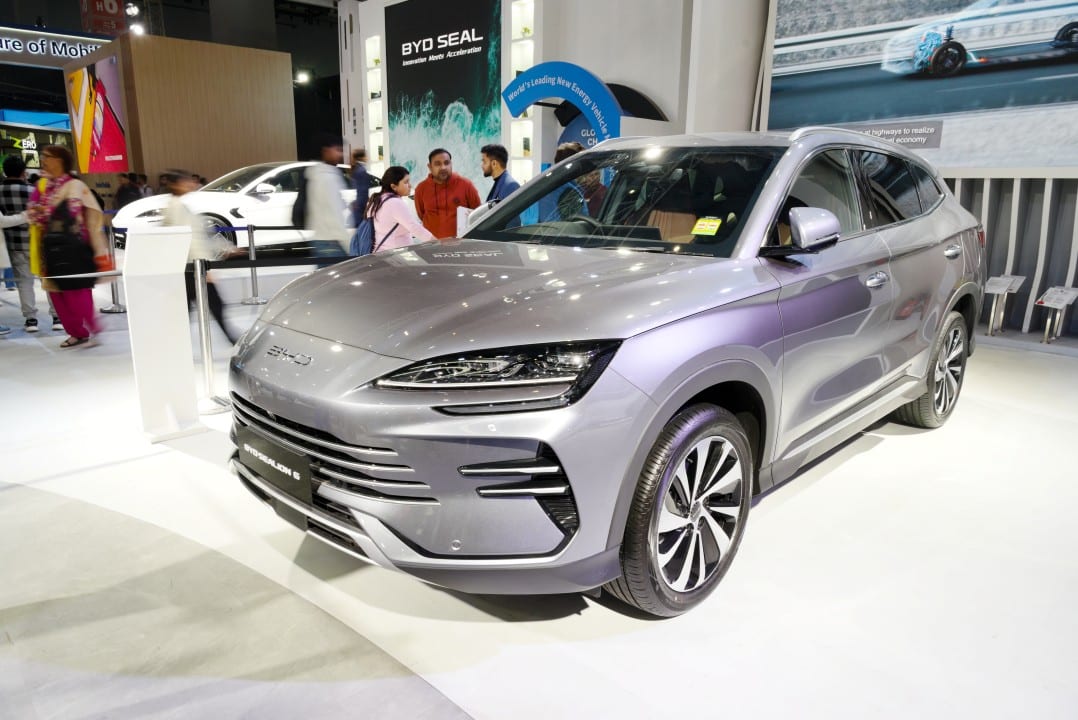
Chinese automaker BYD has started sales of the Sealion 6, its first plug-in hybrid vehicle (PHEV), in the Japanese market from December 2025. The medium SUV adopts fifth-generation DM-i technology, focusing on electrical efficiency and low combined consumption. The model competes directly with the Mitsubishi Outlander PHEV, the consolidated leader in the plug-in hybrid category in the country. Entregas of the front version (FWD) are scheduled for the end of January 2026, while the full version (AWD) arrives in March.
The launch represents BYD’s expansion beyond the 100% electric vehicles already offered in the Japão since 2023. The strategy prioritizes plug-in hybrids to meet local demands, where charging infrastructure is still limited. The Sealion 6 has tuned suspension and sound insulation to Japanese standards, incorporating rear seat comfort improvements and vibration reduction.
Dimensions and design compared
The Sealion 6 measures 4,775 mm long, 1,890 mm wide and 1,670 mm high, with a wheelbase of 2,765 mm. Suas smooth, flowing lines follow the identity of BYD’s Ocean series. The design conveys modernity and aerodynamics optimized for efficiency.
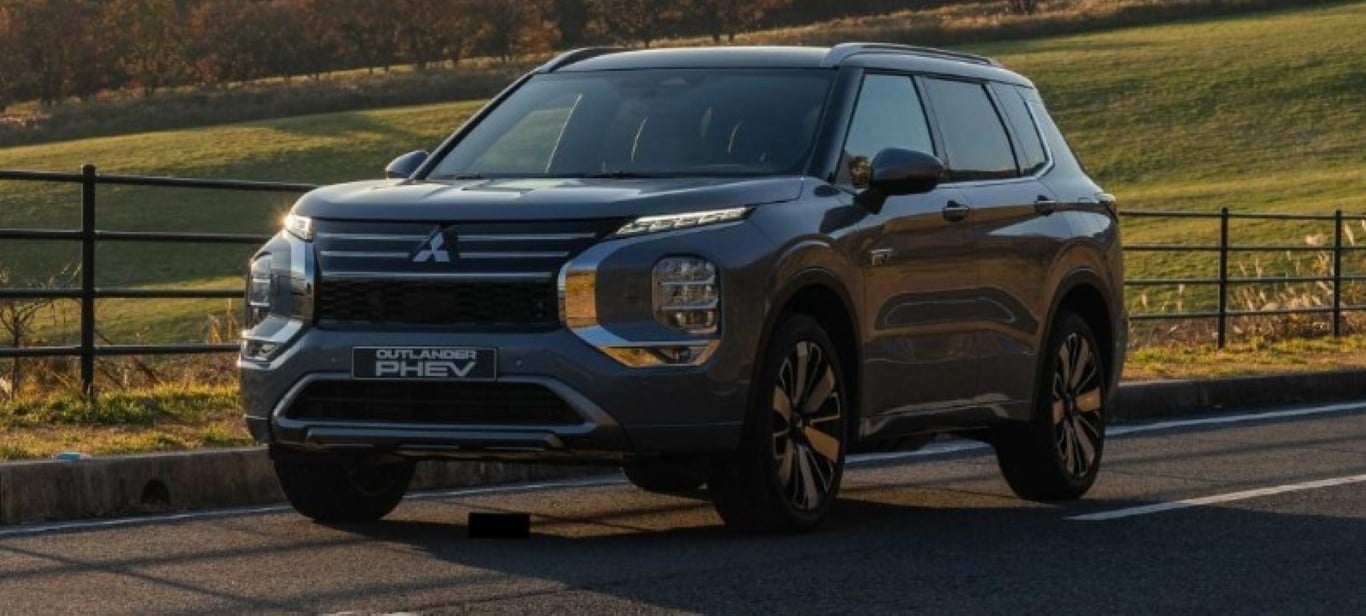
The Outlander PHEV has a more rectangular and taller shape, with an Dynamic Shield grid that guarantees immediate recognition. Essa configuration gives an imposing and robust appearance, valued by Japanese buyers who prioritize visual presence in urban traffic.
Featured performance and engine
The FWD version of the Sealion 6 combines a 145 kW (197 hp) and 300 Acceleration from 0 to 100 km/h occurs in 8.5 seconds, with an electric range of around 100 km and a total of over 1,200 km in the combined cycle.
The AWD configuration increases power to 270 kW (367 hp) and 550 Nm, reducing the time from 0 to 100 km/h to 5.9 seconds. The Blade lithium iron phosphate battery ensures safety and durability, supporting DC fast charging of up to 18 kW.
The Outlander PHEV uses a 98 kW (133 hp) 2.4-liter engine associated with two electric motors (85 kW/116 hp front and 100 kW/136 hp rear). The S-AWC system derives technology from the Lancer Evolution, prioritizing all-wheel drive and stability in various conditions. Electric range is around 80-90 km, with efficient consumption in hybrid mode.
Standard equipment and cost-benefit
The Sealion 6 features a panoramic sunroof, heated and ventilated seats, an advanced multimedia system and a semi-autonomous driving assistant as standard items. The FWD version costs 3,982,000 yen (about 26,700 dollars), while the AWD costs 4,488,000 yen. Esse positioning highlights the balance between complete equipment and competitive price.
The Outlander PHEV offers seven seats in selected variants, a premium sound system and permanent all-wheel drive. Seu price starts at amounts exceeding 5 million yen in the equivalent configuration, even with government incentives. The consolidated reputation of Mitsubishi in Japão favors the perception of long-term reliability.
Hybrid technology and efficiency in everyday life
DM-i technology positions the electric motor as the main one, with the combustion engine acting as a generator or direct support. Esse arrangement provides quiet driving similar to pure electric vehicles most of the time. Combined consumption reaches levels higher than conventional hybrids, reducing emissions and operating costs.
The Outlander PHEV integrates priority electric driving mode, with recharging via regeneration and external socket. The combination of engines allows four-wheel drive in any situation, benefiting users in snowy regions or uneven terrain common in the Japão.
Prices and positioning in the Japanese market
The Sealion 6 appears as the most affordable option among PHEV medium SUVs, surpassing local competitors in terms of cost-benefit. BYD has accumulated global experience with more than 7.4 million plug-in hybrids sold since 2008, which reinforces the credibility of DM-i technology.
The Outlander PHEV maintains leadership thanks to its established dealer network and Japanese tradition in durability. The arrival of the Chinese model intensifies competition, offering alternatives with greater electric autonomy and lower initial prices for value-conscious consumers.



